






The Smart Solution: A Transitional Wardrobe
Instead of packing away clothes every season, the smartest approach is to create a transitional, year-round wardrobe. This involves keeping your lightweight summer basics, practical monsoon layers, and versatile add-ons accessible at all times. The goal
isn't to own more clothes, but to make the ones you have work harder for you across different conditions. This strategy allows you to adapt your outfit in minutes, whether you're facing a sudden temperature drop in an air-conditioned office or an unexpected evening shower.
Foundation: Your Summer Staples
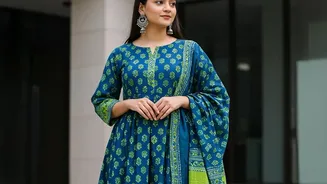
The core of your adaptable wardrobe is built on summer essentials. These are the breathable, comfortable pieces that work as a base for almost any outfit. Think lightweight cotton kurtas, relaxed linen trousers, simple t-shirts, and straight-cut pants. These items, primarily in natural fabrics like cotton, mulmul, and linen, are designed for heat and humidity, allowing air to circulate and keeping you cool. They serve as the perfect first layer, which can then be built upon depending on the day's forecast. A simple cotton kurta or a relaxed shirt can be worn alone on a hot day or layered under a jacket when it rains.
The Monsoon Edit: Quick-Dry and Practical
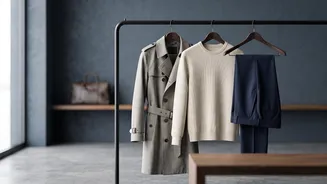
Monsoon dressing is about practicality without sacrificing style. The key is choosing pieces that dry quickly and don't become cumbersome when wet. Fabrics like rayon, georgette, and cotton blends are excellent choices. It’s wise to avoid heavy denim, pure linen, or thick cottons that absorb water and take ages to dry. Cropped or ankle-length trousers are a monsoon must-have, as they prevent the hems from dragging through puddles. A lightweight waterproof jacket, a stylish poncho, or even a classic trench coat are essential outerwear pieces to keep you dry during sudden downpours.
The Art of Layering: Shrugs, Scarves, and Overshirts
Light layers are your best friend for navigating temperature swings. These are not heavy winter coats, but versatile pieces that add a touch of warmth or coverage when needed. A cotton overshirt, a fine-knit shrug, or a denim jacket can be thrown over a summer dress or tee for cooler evenings or chilly indoor environments. Scarves and stoles in fabrics like mul cotton or light blends are particularly useful; they add a pop of colour and can be draped for warmth or packed away easily. This kind of layering allows you to peel off or add pieces as the weather shifts, ensuring you're always comfortable.
Fabric is Everything
Ultimately, a successful transitional wardrobe comes down to fabric choice. Prioritising natural, breathable materials that are comfortable in heat and humidity is non-negotiable. Cotton, linen, rayon, and their blends should form the bulk of your collection. These fabrics feel good against the skin, absorb moisture, and allow for airflow. For the monsoon, focus on quick-drying synthetics or blends that don't cling when damp. Understanding how different materials behave in Indian weather is the first step to building a wardrobe that is both stylish and incredibly practical.