




Prioritise Food and Water Safety
The rainy season increases the risk of water and food contamination, which can lead to illnesses like cholera, typhoid, and gastroenteritis. One of the most crucial habits is to be vigilant about what you eat and drink. Always opt for bottled, boiled,
or purified water and avoid ice in your drinks unless you are certain of the water source. It's best to be cautious with street food, especially items that are uncooked or have been sitting out. Instead, choose freshly cooked, hot meals. Washing your hands frequently with soap and water, or using an alcohol-based sanitiser, is a simple but highly effective way to prevent the spread of germs.
Guard Against Mosquito-Borne Diseases
Stagnant water creates breeding grounds for mosquitoes, leading to a spike in diseases like dengue, malaria, and chikungunya during the monsoon. Protecting yourself from mosquito bites is essential. Make it a habit to use a reliable insect repellent, especially during dawn and dusk when mosquitoes are most active. Wearing long-sleeved shirts and full-length trousers provides a physical barrier. When booking accommodation, look for places with mosquito nets or well-screened windows. These simple precautions can significantly reduce your risk of contracting a serious illness.
Pack Smart for Wet Conditions
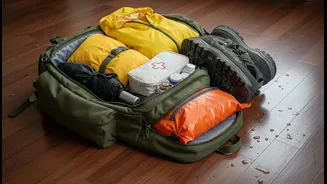
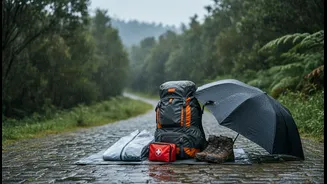
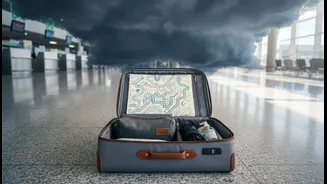
Your packing choices can make or break a monsoon trip. Heavy fabrics like denim and thick cotton are a poor choice as they take a long time to dry in the humid weather. Instead, pack lightweight, synthetic clothes that dry quickly. A reliable raincoat and a sturdy umbrella are non-negotiable. Footwear is equally important; opt for waterproof sandals or floaters with good grip to navigate slippery surfaces and wet streets. It’s also wise to carry a basic medical kit containing antiseptic cream, bandages, and medicines for common issues like fever, colds, and stomach upset.
Protect Your Gear from Moisture
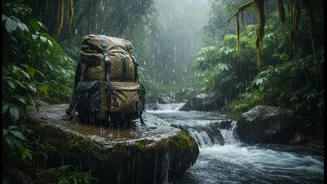
Rain and humidity are enemies of electronics and other valuables. A waterproof backpack or a reliable rain cover for your bag is a must-have to keep your belongings dry. For extra protection, use zip-lock plastic bags or dry bags for your phone, camera, passport, and chargers. Moisture can also lead to fungus on leather goods and camera lenses. Consider packing a few silica gel packets in your bags to absorb excess moisture and keep your gear safe and functional throughout your trip.
Plan for Travel Disruptions
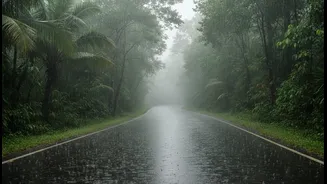
Monsoon travel is often beautiful but rarely predictable. Heavy rains can lead to waterlogged roads, landslides, and significant delays for flights and trains. A smart habit is to build buffer days into your itinerary so that a delay doesn't throw your entire schedule off. Before heading out, always check the latest weather forecasts and local news for any travel advisories. If you are on a road trip, reduce your speed on wet roads, maintain a safe distance from other vehicles, and never attempt to drive through flooded streets, as the water can hide deep potholes or other hazards.