





How Hair Dye Changes Your Strands
To understand why trims are so crucial, we first need to look at what happens during the coloring process. For permanent color to take hold, chemical agents like ammonia and peroxide are often used. These ingredients work by lifting the hair's protective
outer layer, the cuticle, to either remove your natural pigment or deposit new color molecules into the hair's cortex. While this process achieves your desired shade, it inevitably compromises the hair's structure. The cuticle, which normally lies flat like shingles on a roof, can remain slightly raised, making the hair more porous, weaker, and prone to moisture loss. This increased vulnerability is the primary reason color-treated hair often becomes dry and susceptible to damage.
The Journey of a Split End
When the ends of your hair become overly dry and damaged, the cuticle begins to fray and unravel. This is what we call a split end, or trichoptilosis. Once a hair splits, the damage doesn't just stop there. Left untrimmed, the split can travel up the hair shaft, weakening the entire strand and leading to further breakage. This is why it can feel like your hair has stopped growing; even though new hair is emerging from the scalp, the ends are breaking off at the same rate. The only way to truly stop a split end in its tracks is to cut it off. No product can permanently repair a frayed end; they can only temporarily smooth its appearance.
Why Trims Protect Your Color Investment
Split ends do more than just make hair look frizzy and unkempt—they actively sabotage your hair colour. Because damaged ends are porous, they don't hold onto color molecules effectively. This can cause your beautiful new shade to fade faster at the tips. Furthermore, a frayed, uneven hair surface doesn't reflect light uniformly. This makes the overall color appear dull, matte, and lackluster, even if the rest of your hair is healthy. Some stylists also note that very dark colors can make split ends more noticeable. By trimming away these damaged ends, you create a smooth, healthy canvas that not only holds colour better but also reflects light evenly, keeping your shade looking vibrant and rich from root to tip.
Finding Your Perfect Trim Schedule
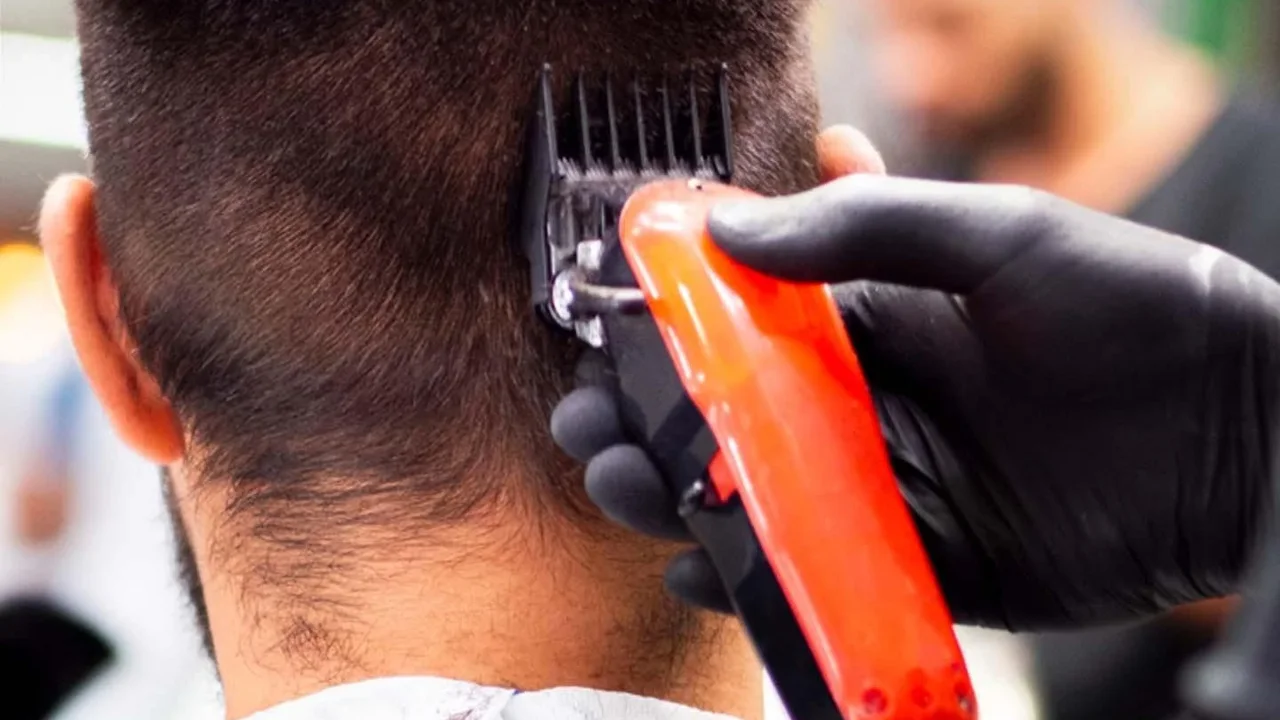
So, how often should you book a trim? Most stylists agree that for color-treated hair, a trim every 6 to 8 weeks is the ideal frequency. This schedule is frequent enough to snip off damage before it has a chance to travel up the hair shaft. However, the perfect cadence can vary. If your hair is heavily bleached, you use heat styling tools often, or your hair is naturally fine, you may need to stick closer to the 6-week mark. If you're trying to grow your hair longer, don't skip trims altogether. Instead, opt for a 'dusting'—a very light trim of just a quarter-inch—every 10 to 12 weeks to maintain health without sacrificing significant length.
Beyond the Cut: Supporting Hair Health
While regular trims are non-negotiable, they work best as part of a holistic hair care routine. To support your color-treated hair between salon visits, focus on moisture and protection. Use sulfate-free shampoos that cleanse gently without stripping color or natural oils. Incorporate a deep conditioning mask or a bond-building treatment into your weekly routine to replenish moisture and help reinforce the hair's internal structure. Always apply a heat protectant before using blow dryers or styling irons, and consider sleeping on a silk or satin pillowcase to reduce friction and prevent breakage while you sleep.