








The Allure of the Acid Glow
Alpha-hydroxy acids (AHAs) like glycolic and lactic acid, beta-hydroxy acids (BHAs) like salicylic acid, and their gentler cousins, polyhydroxy acids (PHAs), are chemical exfoliants that work by dissolving the bonds holding dead skin cells to the surface.
This process reveals fresher, brighter skin, helps unclog pores, and can even improve skin texture and tone over time. Their effectiveness has made them incredibly popular, appearing in everything from toners and serums to masks and cleansers. For many, they are the key to managing concerns from dullness and fine lines to acne and congestion.
The Telltale Signs of Overdoing It
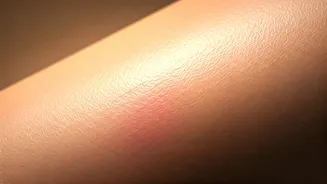
While effective, acids can damage your skin's protective barrier if used too frequently or in concentrations that are too high. This leads to a state of over-exfoliation. Key signs include redness, irritation, and a persistent burning or stinging sensation when applying other products. Your skin might become unexpectedly dry, flaky, or tight. Another surprising sign is an unusual waxy or shiny appearance that isn't from oil but from a stripped and inflamed surface. Paradoxically, over-exfoliation can also lead to more breakouts as the compromised barrier becomes more vulnerable to bacteria and inflammation.
Your Skin Barrier Recovery Plan
If you suspect you've over-exfoliated, the first step is to stop using all active ingredients immediately. This includes all acids, retinoids, vitamin C serums, and physical scrubs. Simplify your routine to the bare essentials: a gentle, hydrating cleanser that doesn't leave your skin feeling tight, and a rich, barrier-repairing moisturiser. Look for ingredients like ceramides, hyaluronic acid, panthenol, and squalane, which help to rebuild the skin's lipid structure and replenish lost moisture. Be patient; it can take anywhere from one to four weeks for your skin barrier to fully recover, depending on the extent of the damage.
How to Use Acids Safely
Once your skin feels calm and healthy again, you can consider reintroducing an acid. The key is to start slowly. Begin by using a low-concentration product just once or twice a week at night. Always apply acids to dry skin, as damp skin can increase penetration and the risk of irritation. It's also crucial not to layer multiple different acids or mix them with other potent actives like retinol in the same routine, as this can easily overwhelm the skin. Instead, alternate their use on different nights. And most importantly, daily use of a broad-spectrum sunscreen with at least SPF 30 is non-negotiable, as acids increase your skin's sensitivity to the sun.
Choosing the Right Acid for You
Not all acids are created equal, and choosing one suited to your skin type can prevent issues. Glycolic acid is effective for texture and fine lines but can be intense. Lactic acid is a gentler AHA that also hydrates, making it a good choice for dry skin. Salicylic acid is oil-soluble, allowing it to penetrate pores, which is ideal for oily and acne-prone skin. For those with very sensitive skin or conditions like rosacea, PHAs and mandelic acid offer a much gentler exfoliation because their larger molecular size means they don't penetrate as deeply.