






The Science Behind the Clash
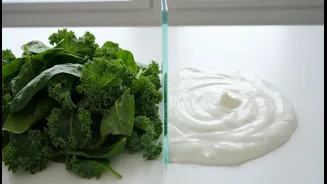
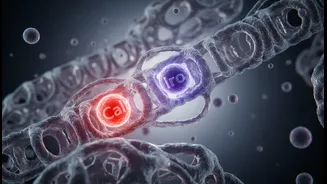
The core of the issue lies in how our bodies absorb minerals. Calcium and iron are both essential, but they are also competitive. When consumed together in significant amounts, they vie for the same absorption pathways in your gut. Think of it like a crowded
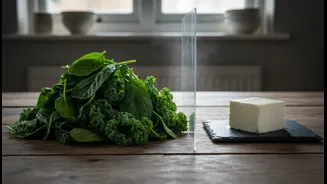
doorway; both want to get through, but there's limited space. Calcium, especially in larger doses, tends to win this competition, effectively blocking a portion of the iron from being absorbed. Studies show that calcium can reduce the absorption of non-heme iron (the type found in plants and supplements) by as much as 50-60%. This interaction happens whether the minerals come from food, like dairy and leafy greens, or from supplements.
From Nutrition Science to Cafe Menus
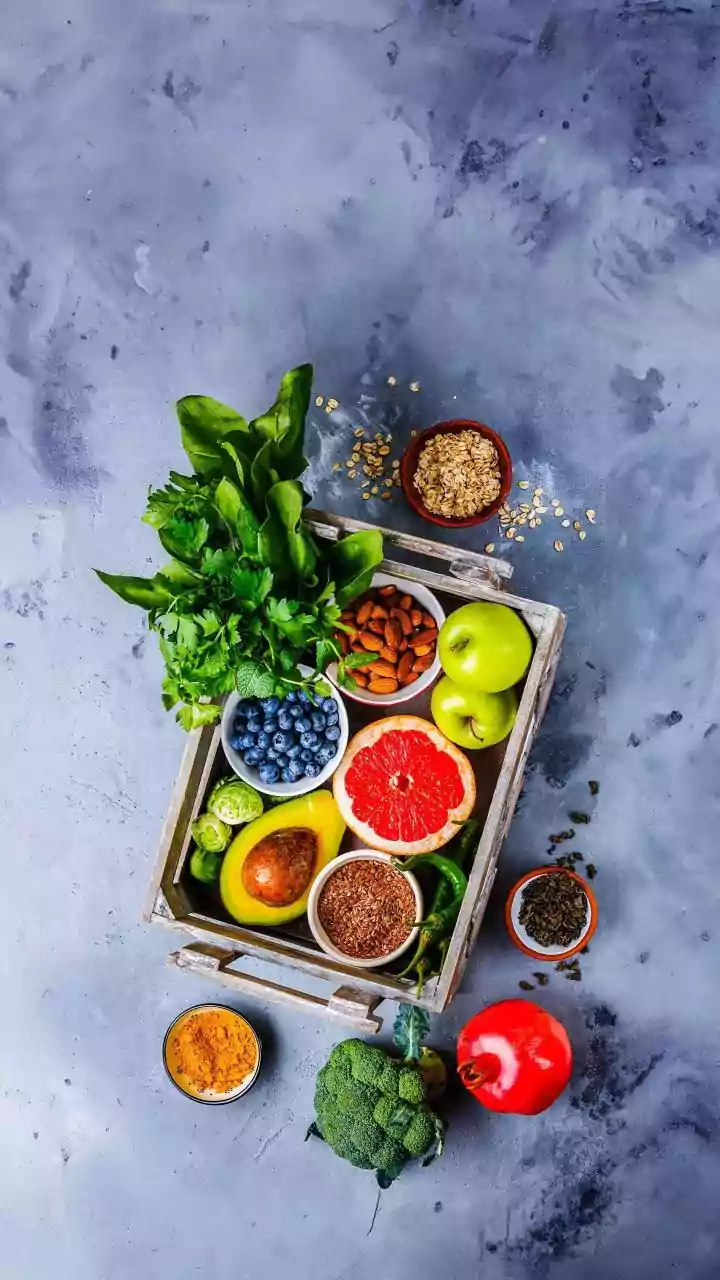
The concept of mineral competition isn't new, but its appearance on menus is a recent development driven by evolving consumer habits in India. Diners are more health-conscious than ever, seeking not just tasty but also functional foods. As high-end cafes cater to this demand with nutrient-packed smoothie bowls, green juices, and fortified coffees, they also take on a role as educators. This warning is a sign of next-level nutritional transparency. It acknowledges that a 'healthy' meal isn't just about the ingredients themselves, but how they work together. For cafes, it’s a way to demonstrate expertise and cater to a knowledgeable clientele that appreciates subtle details about optimising their nutrition.
Should You Be Concerned?
For the average person with a balanced diet, this interaction is generally not a major cause for alarm. The body has complex mechanisms to manage nutrient absorption, and long-term studies suggest that typical dietary calcium intake doesn't have a significant adverse effect on most people's iron status. However, the clash becomes more relevant for specific groups. This includes individuals with iron-deficiency anemia, pregnant women who have higher iron needs, and vegetarians or vegans who rely on plant-based (non-heme) iron, which is less easily absorbed to begin with. For these individuals, consistently pairing iron-rich meals with high-calcium foods or drinks could make it harder to maintain adequate iron levels.
How to Smartly Pair Your Foods
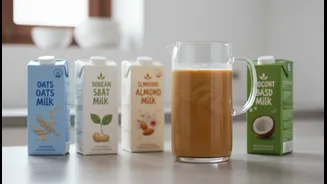
You don't need to completely banish calcium-rich foods from your iron-heavy meals. The key is strategic timing and smart pairing. Nutritionists often recommend separating high-dose calcium and iron supplements by at least two to four hours to maximize absorption. You can apply a similar logic to your meals. For example, if you're having a spinach-packed (high iron) smoothie, consider using a non-dairy milk alternative that isn't heavily fortified with calcium. Save your glass of milk or yoghurt for a different meal or snack. Another great tip is to pair iron-rich plant foods with a source of vitamin C, like a squeeze of lemon or a side of citrus fruit, which is known to significantly boost iron absorption and can help counteract the inhibiting effect of other compounds.
A Trend Towards Mindful Eating
Ultimately, the appearance of these warnings on menus is less about creating dietary restrictions and more about promoting mindful eating. It’s part of a larger trend where consumers are moving beyond calorie counting and towards a more holistic understanding of wellness. This includes knowing about 'antinutrients' — compounds like oxalates and phytates found in healthy foods that can also interfere with mineral absorption. Seeing a calcium-iron warning is a prompt to think about your diet as a whole system. It’s an invitation to make small, informed tweaks that can optimize your nutrient intake without causing stress, turning your healthy breakfast into an even smarter one.