



The promise of a 'guilt-free' dessert that won't impact blood sugar is tempting for anyone managing diabetes. But these claims are often misleading. A truly diabetes-conscious approach means understanding what's really in that sweet treat.
The Myth of 'Zero Impact'
It’s a common
misconception that if a dessert is labelled 'sugar-free', it’s a free pass for anyone with diabetes. Unfortunately, that's not the case. The body’s blood glucose response is primarily driven by carbohydrates, not just sugar. Many recipes that eliminate refined sugar still contain significant amounts of carbohydrates from other sources, which the body breaks down into glucose. Therefore, any recipe promising absolutely no impact on your blood sugar levels should be viewed with skepticism. The American Diabetes Association notes that sweets can be eaten occasionally, but they must be accounted for within a healthy eating plan.
It’s Not Just Sugar, It’s the Carbs
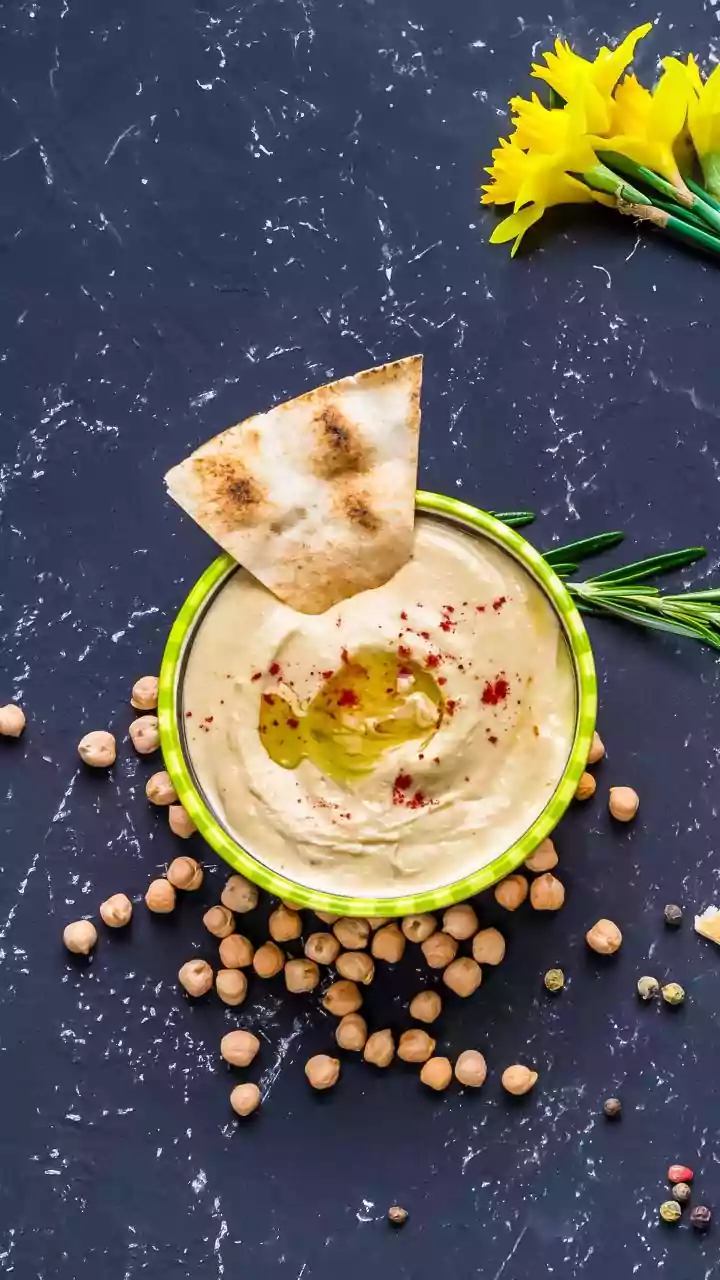
The primary ingredient in most baked goods isn’t sugar; it’s flour. And flours are carbohydrates. Different flours have different effects on blood sugar, a measure known as the glycemic index (GI). Refined white flour (maida) has a very high GI, meaning it can cause a rapid spike in blood sugar. Whole wheat atta has a medium GI. On the other hand, flours made from nuts and legumes, like almond flour or chickpea flour (besan), have a much lower GI because they are higher in protein, fibre, and fats, which slow down carbohydrate absorption. When you see a 'diabetic-friendly' recipe, always check the type and amount of flour used, as this is a major contributor to its total carbohydrate count.
Understanding Sweeteners
Sugar substitutes fall into several categories. Non-nutritive sweeteners like stevia, monk fruit, and aspartame have a minimal to zero effect on blood sugar levels because the body doesn't metabolize them like sugar. Then there are sugar alcohols, such as erythritol and xylitol. While they contain some carbohydrates, they are only partially absorbed by the body, leading to a smaller impact on blood glucose than regular sugar. Erythritol, in particular, has a very low glycemic impact. However, some sugar-free products use sweeteners like maltitol, which can raise blood sugar more noticeably. It’s also crucial to remember that while the sweetener itself might not spike blood sugar, the other ingredients in the dessert most certainly can.
The Power of Portion Control
Even the most perfectly formulated low-carb, sugar-free dessert can cause a blood sugar spike if eaten in large quantities. Portion size is one of the most critical, yet often overlooked, aspects of managing diabetes. Enjoying a small serving of a treat is entirely different from eating several. The Centers for Disease Control and Prevention (CDC) advises that planning ahead is key. If you know you want to have dessert, you might need to adjust the carbohydrate intake from the rest of your meal to stay within your daily targets. Savoring a small, satisfying portion is a much safer strategy than overindulging in something simply because it's labeled 'diabetic-friendly'.
Smarter Choices for Sweet Treats
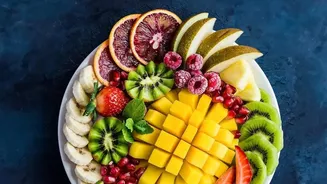
Instead of seeking out recipes with impossible promises, focus on making smarter modifications. Incorporating ingredients rich in fibre, protein, and healthy fats—like nuts, seeds, and avocado—can help slow the absorption of glucose and create a more balanced treat. Using lower-GI flours like almond, coconut, or chickpea flour can make a significant difference. Even simple choices, like opting for fruit-based desserts where sweetness comes naturally, can be a better option, provided you account for the fruit's carbohydrates. The goal isn’t total avoidance, but mindful enjoyment and an honest understanding of what you are eating.