



The Monsoon's Threat to Potted Plants
While rain is essential for life, the sheer volume and force of a monsoon downpour can be devastating for container gardens. The primary risk is overwatering. Pots, especially smaller ones, can become waterlogged quickly, suffocating the roots and leading
to root rot, one of the fastest ways to kill a plant. This excess moisture also creates a perfect breeding ground for fungal diseases like powdery mildew, which can spread rapidly in the humid conditions. Beyond the water itself, strong winds and the physical impact of heavy raindrops can break delicate stems, tear leaves, and damage flowers, stressing the plants and making them more vulnerable to pests and diseases. The constant deluge can also wash away, or leach, essential nutrients from the soil, leaving your plants starved and weak.
Decoding Vertical Waterproofing
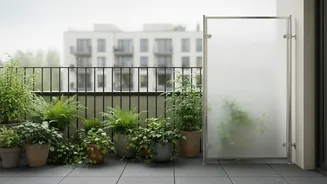
When you hear “waterproofing,” you might think of sealing basements or coating roofs. In this context, the principle is simpler and more direct. Vertical waterproofing for a balcony garden isn't about sealing your pots, but about creating a physical, upright barrier that intercepts the rain before it hits your plants. Think of it as a raincoat for your greenery. This shield deflects the majority of the downpour, especially the wind-driven rain that slants onto balconies, while still allowing for air circulation and ambient light. The goal is to control the amount of water your plants receive, preventing the soil from becoming a saturated, oxygen-deprived bog.
Creative and Cost-Effective DIY Shields
You don’t need expensive materials to protect your plants. Simple DIY shields can be highly effective. A popular option is to use a clear or translucent tarpaulin or a heavy-duty plastic sheet. You can secure this to your balcony railing and to the ceiling or wall above, creating a slanted barrier that guides water away. For a less permanent fixture, you can build a simple frame using PVC pipes or bamboo stakes and drape the plastic over it, placing it in front of vulnerable plants during heavy rain. Old shower curtains or corrugated plastic sheets can also be repurposed for this task. The key is to ensure the material is secured firmly so it doesn’t flap around in the wind and cause damage. Some creative gardeners have even used materials like old frisbees or plastic drip trays as small, individual covers for pots.
Commercial Rain Guard Solutions
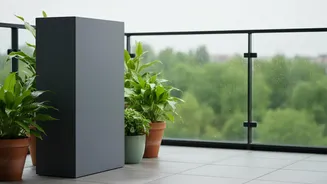
If DIY isn't for you, there are commercial products available that serve the same purpose. You can find pre-made plant covers and garden tarps, often sold with grommets and ropes for easy securing. Some companies offer 'shade cloth' which can be dense enough to break the force of heavy rain while still allowing light and air to pass through. For a more aesthetically pleasing solution, you might consider custom-cut acrylic or polycarbonate panels. These can be fixed to railings and provide a clear, sturdy barrier against the elements without obstructing your view. While a bigger investment, these solutions are more durable and can be a permanent fixture for your balcony.
Beyond the Shield: Other Monsoon Must-Dos
A vertical shield is your first line of defence, but comprehensive monsoon care will ensure your garden thrives. First, check your drainage. Ensure every pot has clear drainage holes and that they aren't clogged. Elevating pots on stands or bricks can also help excess water drain away freely. Second, adjust your watering schedule; only water when the top layer of soil feels dry to the touch. High humidity means the soil will retain moisture longer. Regularly prune any dead or yellowing leaves to improve air circulation and discourage fungal growth. Finally, keep an eye out for pests like slugs and aphids, which love the damp conditions.