




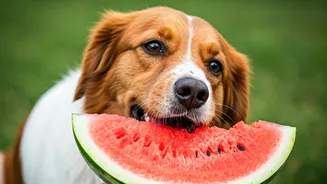


Why Watermelon Is a Canine Superfruit
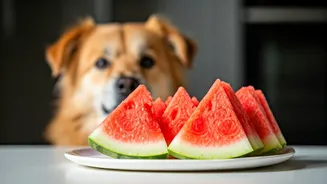
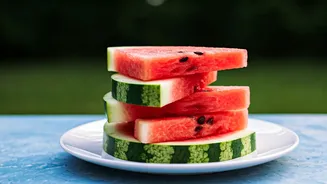
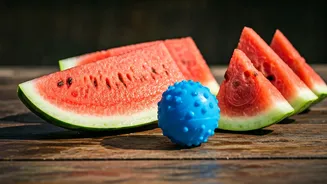
Before we get to the recipe, let's talk about why watermelon is such a fantastic choice for your dog. This juicy fruit is more than just a sweet treat; it's a powerhouse of hydration and nutrients. Composed of about 92% water, it's one of the most effective
ways to help your dog stay hydrated on a sweltering afternoon. This high water content also means it's low in calories, making it a guilt-free indulgence. Beyond hydration, watermelon is packed with vitamins A, B6, and C, as well as potassium. These nutrients support everything from your dog's vision and immune system to their muscle function. The fibre in watermelon is also beneficial for digestion. However, it’s crucial to remember that this applies only to the fleshy, pink part of the fruit. The seeds and rind should never be given to your dog, as we'll discuss later.
The Simple Two-Ingredient Recipe
The beauty of this treat lies in its simplicity. You don't need to be a master chef or have a pantry full of special ingredients. All you need are two items that are easy to find and perfectly safe for your canine companion. **Ingredient 1: Seedless Watermelon.** This is the star of the show. Ensure you buy a seedless variety to save time, or be prepared to meticulously remove every single seed, both black and white, as they can cause intestinal blockages. **Ingredient 2: Plain Water or Unsweetened Coconut Water.** The second ingredient is all about adding extra liquid and a bit of flavour if you choose. Plain, filtered water works perfectly well. For an extra boost of electrolytes and a taste your dog might love, you can use unsweetened, 100% natural coconut water. Avoid coconut water with added sugars, preservatives, or artificial flavours.
Step-by-Step Guide to Frozen Slices
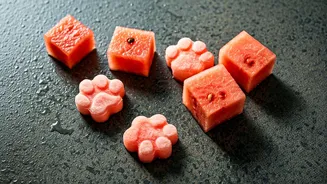
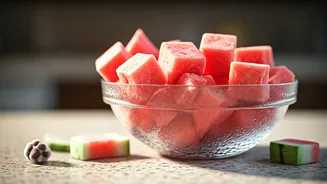
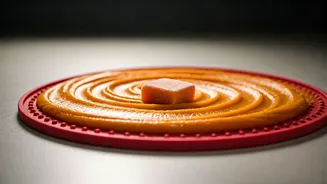
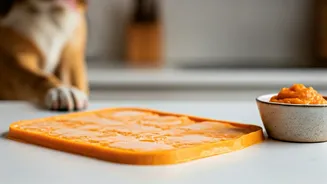
Ready to get started? The process takes less than 15 minutes of prep time. The hardest part is waiting for the treats to freeze! 1. **Prepare the Watermelon:** Cut the watermelon into chunks, ensuring you have removed all of the rind and every single seed. The green and white parts of the rind are difficult for dogs to digest and can cause gastrointestinal upset. For this recipe, you'll need about 2-3 cups of cubed, seedless watermelon. 2. **Blend the Ingredients:** Place the watermelon chunks in a blender. Add about half a cup of water or unsweetened coconut water. Blend until you have a smooth, liquid puree. The consistency should be like a thick juice. 3. **Pour and Freeze:** Pour the watermelon puree into an ice cube tray or, for more fun, use silicone moulds shaped like bones or paws. A shallow baking tray also works well if you want to create a thin sheet that you can later break into 'bark' or 'slices'. 4. **Set and Serve:** Place the tray or mould in the freezer and let the treats freeze solid, which usually takes about 3-4 hours. Once frozen, you can pop them out and store them in a freezer-safe bag or container.
Portion Control and Safety First
While these treats are healthy, moderation is key. Watermelon contains natural sugar, so it should be considered a 'treat' and not a regular part of your dog's diet. A good rule of thumb is that treats should not make up more than 10% of your dog's daily caloric intake. For a small dog, one or two small cubes a day is plenty. For larger breeds, a few more is acceptable. Always introduce any new food to your dog slowly and in small quantities to see how their digestive system reacts. If you notice any signs of an upset stomach, like diarrhoea or vomiting, discontinue the treats and consult your veterinarian. To reiterate the most important safety points: - **No Seeds:** They can cause intestinal blockage. - **No Rind:** It's difficult to digest and can cause tummy trouble. - **Serve Frozen:** Giving them frozen on a hot day makes them last longer and provides maximum cooling refreshment. For small dogs or aggressive chewers, you may want to let them melt slightly or break them into smaller pieces to avoid any choking risk.