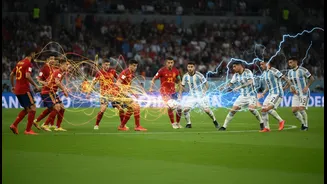





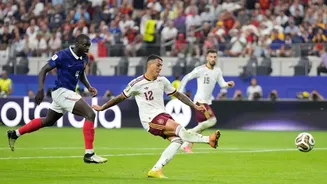


The Case for Spain: A New Golden Generation
Spain arrives at the final as the reigning European champions and arguably the most complete team in the tournament. Under manager Luis de la Fuente, they have evolved from the slow, methodical possession of the past into a more vertical and dangerous
attacking unit. The foundation is still their midfield, where Rodri, arguably the world’s best defensive midfielder, provides stability and control, allowing creators like Pedri to orchestrate the attack. But the real excitement comes from the wingers. Lamine Yamal and Nico Williams offer blistering pace and one-on-one ability, stretching defenses and creating space in a way previous Spanish teams could not. This blend of disciplined possession with dynamic wide play makes them incredibly difficult to break down. They have been a defensive juggernaut, conceding only a single goal en route to the final. On paper, their blend of tactical identity, squad depth, and youthful exuberance is nearly perfect.
The Case for Argentina: The Champions' Mentality
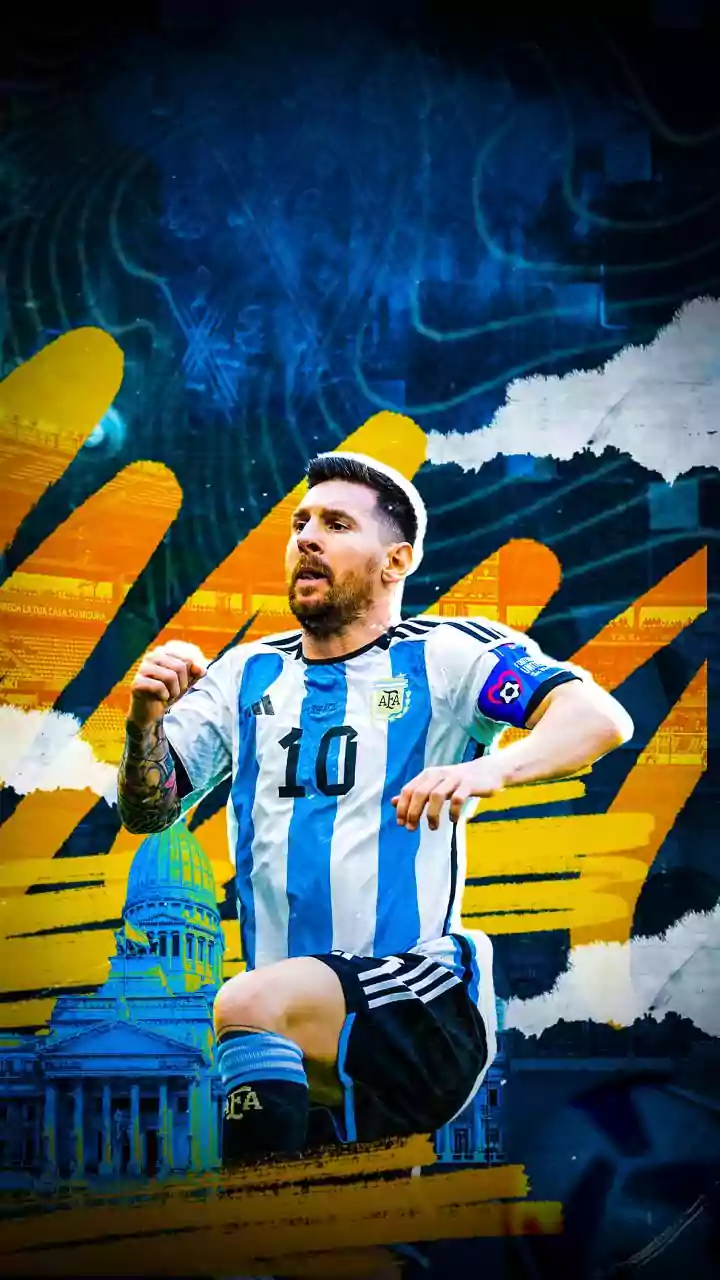
Argentina’s journey has been a testament to resilience. As defending world champions, they carry an aura of invincibility forged by winning the 2022 World Cup and back-to-back Copa Américas. Coach Lionel Scaloni has built a squad that is a true reflection of his pragmatic and adaptable style, often switching between 4-3-3 and 4-4-2 formations. While their defense has looked vulnerable at times, conceding regularly in the knockout stages, their ability to find a way to win is unmatched. This is a battle-tested group that thrives in high-pressure moments. And then, there is Lionel Messi. At 39, in his final World Cup, he remains the team's heart, leading the tournament in goals and creating chances at will. The entire system is built to maximize his genius, while a midfield trio of Enzo Fernández, Alexis Mac Allister, and Rodrigo De Paul provides the perfect balance of grit and creativity. They don’t just play football; they wage war for 90 minutes.
Attack: Spanish Flair vs Argentine Firepower
Spain's attack is about width and speed. Yamal and Williams are the focal points, with their ability to beat defenders creating most of the danger. While they may lack a single, prolific central goalscorer, players like Mikel Oyarzabal have stepped up to convert the chances created. Spain’s system generates a high volume of opportunities, aiming to overwhelm opponents through sustained pressure. Argentina’s attack is more centered around its legendary captain. Messi is both the primary goalscorer and creator, a dual threat no other team possesses. He is supported by world-class forwards like Julián Álvarez and Lautaro Martínez, providing a more clinical and direct goal threat than Spain. Argentina may create fewer total chances, but their conversion rate is lethal. On paper, Argentina’s forward line, led by Messi's historic form, has a slight edge in pure finishing ability.
Midfield: The Battle for Control
This is the game's most fascinating matchup. Spain’s midfield is its engine room. With Rodri providing the defensive shield and Pedri and Dani Olmo finding pockets of space, they aim to control the tempo completely. They boast incredible depth with players like Fabián Ruiz and Martín Zubimendi, allowing them to maintain intensity. Argentina’s midfield is different. It’s a unit built on energy, tactical discipline, and a shared will to win challenges. Rodrigo De Paul, Enzo Fernández, and Alexis Mac Allister are relentless workers who cover immense ground, disrupt the opponent’s rhythm, and quickly transition the ball to Messi. This clash pits Spain’s technical, possession-based superiority against Argentina’s physicality and transition threat. While Spain’s midfield is technically superior on paper, Argentina’s has proven it can neutralize even the most talented opposition.
Defense & Goalkeeping: Spanish Steel vs Argentine Grit
Here, Spain has a clear advantage on paper. Having conceded just once all tournament, their defensive structure is formidable. Unai Simón is a reliable shot-stopper, and the backline, featuring players like Marc Cucurella and Aymeric Laporte, is organized and disciplined. They control games by starving opponents of the ball. Argentina’s defense, by contrast, has been a source of drama. While they possess top-tier individual defenders in Cristian Romero and Lisandro Martínez, the unit has been prone to lapses. However, they are protected by Emiliano Martínez in goal, a goalkeeper renowned for his big-game heroics and penalty shootout prowess. Spain’s defense is statistically and structurally better, but Martínez’s proven ability to single-handedly win knockout games adds a layer of unpredictability for Argentina.