


The End of the Instant Era?
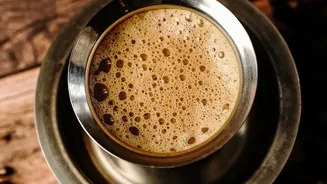
For years, India’s coffee story was simple. It was dominated by large brands selling instant coffee powder, a convenient and affordable option that became a staple in households nationwide. Alongside the traditional South Indian filter kaapi, instant coffee defined
the beverage for millions. It was functional, fast, and familiar. This landscape, however, is being dramatically reshaped. While instant coffee still holds a significant market share, its dominance is being challenged by a powerful cultural current. Younger, urban Indians are looking for more than just a quick caffeine hit; they're seeking an experience, a story, and a higher quality cup.
The 'Third Wave' Reaches Indian Shores
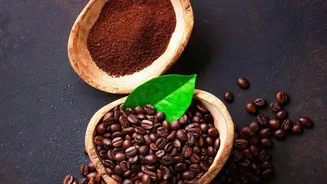
This shift is part of a global movement known as the “third wave” of coffee. If the first wave was about making coffee accessible (think mass-produced instant coffee) and the second was about the rise of café culture and lifestyle drinks (like lattes from big chains), the third wave treats coffee as an artisanal product, much like wine or craft chocolate. It prioritizes factors like the coffee bean's origin, the specific estate it was grown on, its processing method, and its unique flavour profile. Terms like 'single-origin Arabica', 'pour-over', and 'cold brew' have moved from niche vocabulary to common parlance in urban cafes. This movement has found fertile ground in India, a country that is one of the world's top coffee producers but has historically exported most of its high-quality beans.
Cafes as Catalysts for Change
The explosion of specialty cafes across India’s cities has been a primary driver of this trend. Chains like Blue Tokai, Third Wave Coffee, and a host of independent roasters have done more than just sell coffee; they have educated a new generation of consumers. These spaces, often designed with a modern, aesthetic appeal, act as community hubs where young people can explore different brewing methods and learn about the beans. The experience is as much a part of the appeal as the drink itself, turning a coffee break into a lifestyle statement that is shared widely on social media. This has transformed coffee from a simple beverage into a form of cultural expression and identity for many millennials and Gen Z consumers.
The Rise of the Home Barista
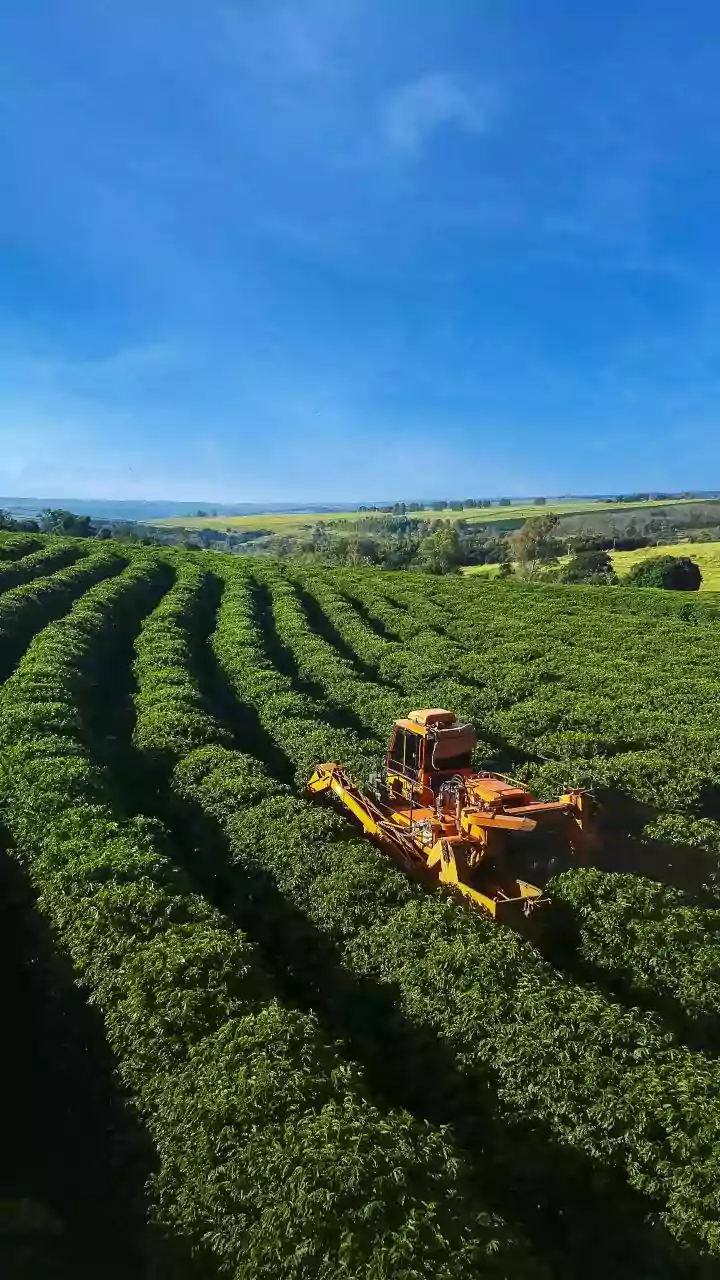
What starts in the cafe is now moving into the home. Inspired by the quality they experience outside, many young Indians are investing in their own coffee-making equipment. The desire to replicate a café-quality experience has fueled a boom in sales of grinders, French presses, Moka pots, and AeroPresses. This at-home ritual has become a cherished part of the day for many, a mindful pause in a busy schedule. Roasters have fueled this trend by making freshly roasted beans from celebrated Indian estates like those in Chikmagalur, Coorg, and Araku Valley easily accessible through online stores and subscription services, delivering them nationwide.
A Taste of Conscious Consumption
This growing interest in specialty coffee is also tied to a broader cultural shift towards mindful consumption, authenticity, and an appreciation for local craftsmanship. Consumers are increasingly interested in the story behind their coffee: who grew it, where it came from, and whether it was sourced sustainably. This has created a new appreciation for India’s own coffee heritage, with many high-quality beans that were once exclusively for export now finding a passionate domestic market. Brands like Blue Tokai, Third Wave Coffee, and Corridor Seven have built their identity around working directly with Indian farmers, promoting transparency and celebrating the country's diverse coffee-growing regions.