





The Original Road Network
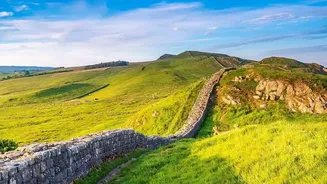
Before asphalt roads carved their way through the mountains, Greece was connected by a complex web of stone-paved paths known as 'kalderimia'. These were not leisure trails but essential arteries of life, wide enough for two laden mules to pass. They
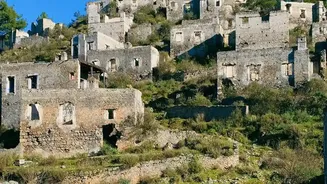
linked villages to fields, chapels, and ports, running up and down mountainsides rather than around them. For centuries, these routes were the backbone of rural society, used for trade, pilgrimage, and communication. Many of these paths are much older than their Turkish-derived name suggests, often following the lines of earlier Roman or Venetian roads. With the arrival of cars in the mid-20th century, many kalderimia were abandoned and became overgrown, their history slowly being reclaimed by nature.
Arcadia's Mythical Heart: The Menalon Trail
In the heart of the Peloponnese peninsula lies Arcadia, a region steeped in mythology and said to be the home of the god Pan. Here, the 75-kilometre Menalon Trail offers a perfect example of an ancient network reborn. This path, the first in Greece to receive 'Leading Quality Trail' certification from the European Ramblers Association, connects nine mountain villages. It follows old mule trails that date back centuries, guiding walkers through the dramatic Lousios River gorge. Along the way, hikers pass monasteries built directly into cliffs, like the 16th-century Prodromos Monastery, and the ruins of the Old Philosophou Monastery, which served as a secret school during Ottoman rule. The trail also winds through Dimitsana, a village known for its historic water-powered mills that once produced gunpowder for the Greek Revolution.
Island Paths and Local Revival
The revival of ancient paths extends to the Greek islands, where walking offers a different perspective on landscapes more famous for their coastlines. On Andros, the greenest island of the Cyclades, a voluntary organization has cleared and signposted a network of over 160 kilometres of historic footpaths. The flagship is the 'Andros Route', a 100-kilometre trail running the length of the island that has also earned European quality certification. These paths guide walkers through terraced fields, river valleys dotted with old watermills, and villages built from local stone, revealing an authentic side of the island away from mass tourism. This movement is powered by local communities and volunteers who recognize that restoring these trails is not just about tourism; it is about preserving cultural heritage and creating sustainable economic opportunities in remote areas.
A National Awakening
The success of trails like Menalon and Andros is part of a broader awakening across Greece. From the E4 European long-distance path, which crosses the country from the Bulgarian border down through Crete, to new large-scale projects, hiking is being embraced as a way to narrate the country's history. In April 2026, the Peloponnese Trails network officially launched, an ambitious project connecting 12 major routes over 1,700 kilometres. It revives old mule tracks and integrates them with new paths, connecting UNESCO sites like Olympia and Mystras. These initiatives are often social cooperative enterprises, where local teams maintain the paths, ensuring they remain safe and accessible while providing a vital boost to rural economies.