

The Coorg Circuit: Coffee, Mist, and Waterfalls
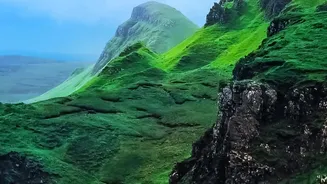
Often called the Scotland of India, Coorg (Kodagu) is at its most beautiful after the rains. The air is thick with the smell of wet earth and coffee blossoms. While the main town of Madikeri is a popular hub, the real magic lies in the winding roads that
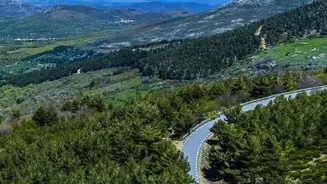
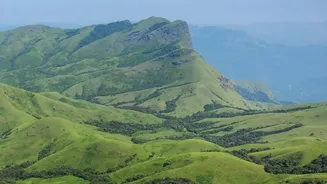
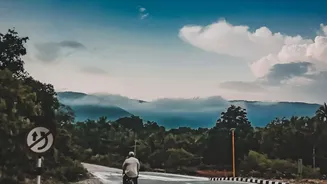
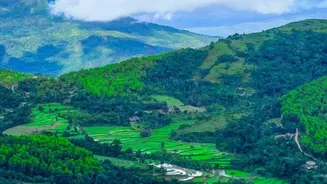
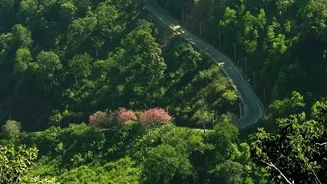
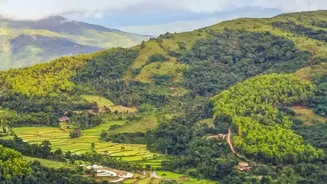
connect its lesser-known villages and viewpoints. Post-monsoon, from October to March, the weather is pleasant and the roads, though sometimes narrow and winding, are generally safe for a careful drive. The landscape is a vibrant tapestry of emerald coffee plantations, dense forests, and sudden, dramatic waterfalls.
Route 1: The Madikeri-Somwarpet Loop via Mallalli Falls
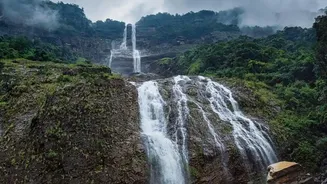
For a drive that captures the essence of rural Coorg, take the route from Madikeri towards Somwarpet. This journey takes you away from the tourist-heavy spots and into the heart of coffee country. A worthy detour on this circuit is a visit to Mallalli Falls, one of the most spectacular waterfalls in the region. The Kumaradhara River plunges over 200 feet into a deep gorge here. The drive to the falls itself is scenic, but be prepared for a walk down several hundred steps to reach the main viewpoint. Continuing towards Somwarpet, you'll find Honnamana Kere, the largest natural lake in Coorg, offering a serene spot for a break amidst lush hills.
Route 2: The Spiritual Trail to Talacauvery
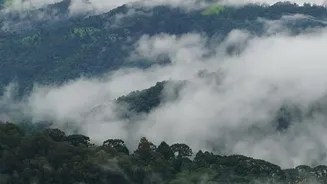
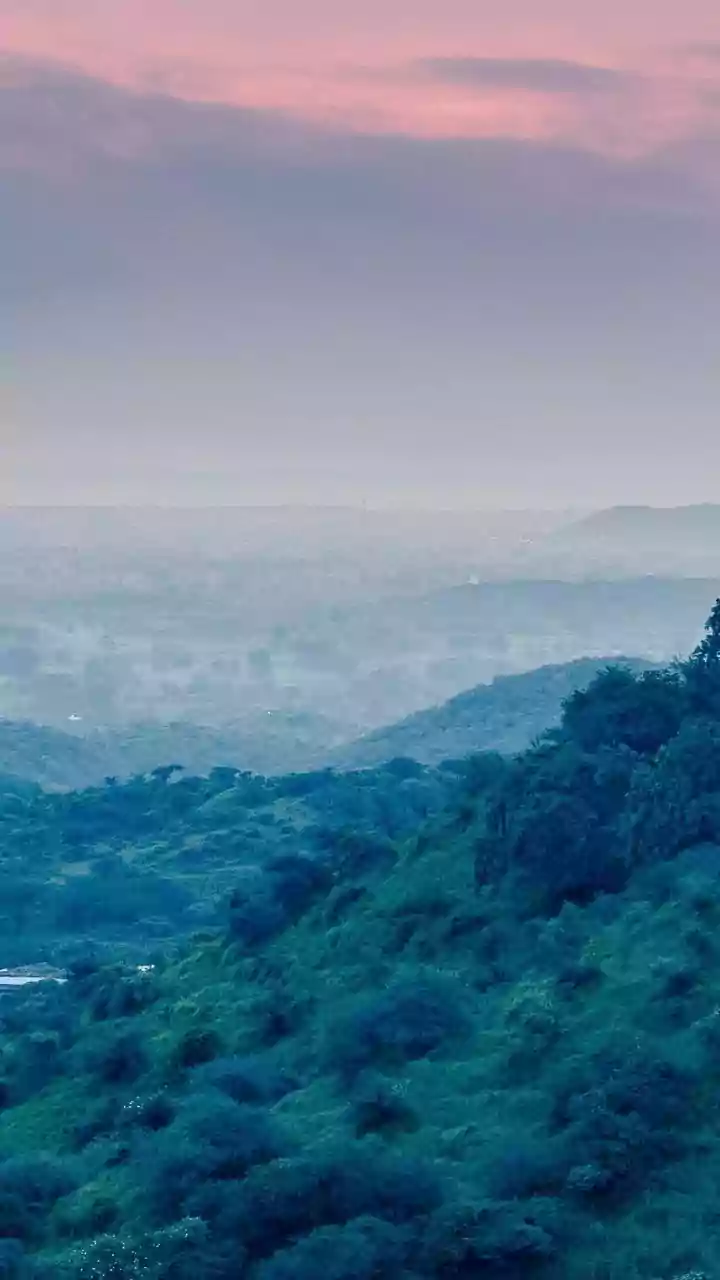
This drive is as much a spiritual journey as it is a scenic one. The road from Madikeri to Talacauvery, the source of the river Kaveri, is exceptionally picturesque post-monsoon. The route passes through Bhagamandala, where you can visit the Sri Bhagandeshwara temple at the confluence of three rivers. From there, the road climbs steeply to Talacauvery, nestled in the Brahmagiri hills. The drive offers panoramic views of the cloud-covered valleys of Kodagu. Early mornings are particularly magical, as you can often drive through a thick blanket of mist that slowly lifts to reveal the verdant landscape below.
Mahabaleshwar's Green Corridors
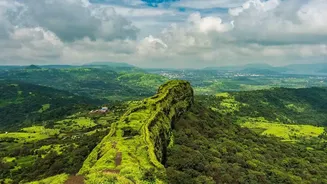
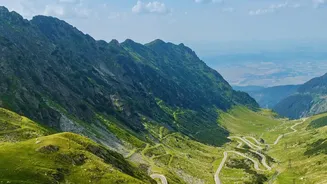
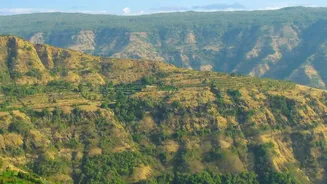
Like Coorg, Mahabaleshwar in Maharashtra transforms into a green paradise after the monsoon. The Sahyadri mountain range, a part of the Western Ghats, is lush and alive with countless seasonal waterfalls. The period from September to November is ideal for drives, as the rains have subsided, but the landscape retains its vibrant, rain-washed charm. The roads are famously winding, offering stunning views at every turn.
Route 3: The Drive to Tapola, the 'Mini Kashmir'
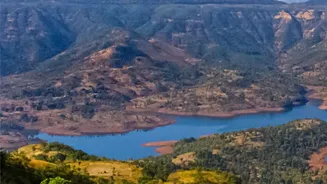
A 25-kilometer drive from Mahabaleshwar takes you to the tranquil village of Tapola, often called the 'Mini Kashmir' of Maharashtra. The road is narrow and twists through dense forests and small villages, making the journey itself an adventure. The highlight of Tapola is the stunning Shivsagar Lake, a vast expanse of calm backwaters of the Koyna Dam. Post-monsoon, the surrounding hills are intensely green, and you can enjoy boating on the lake. It’s a far quieter alternative to the bustling main town of Mahabaleshwar and offers a peaceful retreat into nature.
Route 4: The Old Mahabaleshwar–Panchgani Circuit
This classic loop connects Mahabaleshwar to the charming hill station of Panchgani. While the main road is popular, the 'Old Mahabaleshwar' route offers a more scenic and historical journey. This road takes you past several iconic viewpoints like Kate's Point and Elephant's Head Point, which provide dramatic views of the surrounding valleys. You'll also pass by the ancient temples of Old Mahabaleshwar. Further along, the road descends towards Panchgani, famous for its 'Table Land' — Asia’s second-longest volcanic plateau. Don't miss a stop at Parsi Point for breathtaking views of the Dhom Dam backwaters before completing the loop.