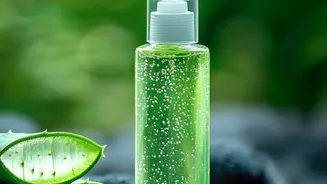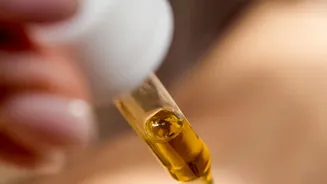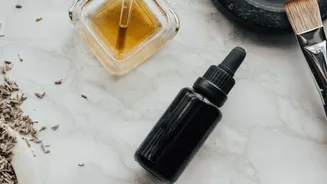





As the temperature drops, does your skin start to feel tight, dry, and less supple? You're not alone. Colder, drier air can wreak havoc on your skin's moisture barrier, leading to a loss of elasticity. Enter squalane, a game-changing ingredient.
Why Winter Is Tough on Your Skin
The shift
to colder weather is often accompanied by a noticeable change in our skin. The crisp autumn air quickly turns into harsh winter wind, and low humidity outside combined with dry indoor heating creates a perfect storm for skin dehydration. This environment strips the skin of its natural oils, weakening its protective barrier. This barrier, known as the hydrolipidic film, is responsible for locking in moisture and keeping irritants out. When it's compromised, your skin loses water more rapidly, a process called transepidermal water loss (TEWL). This dehydration directly impacts skin's firmness and bounce, leading to that tight feeling and a loss of elasticity. For many, this results in dryness, flakiness, increased sensitivity, and a dull appearance.
What Exactly Is Squalane?
You might have seen squalane listed in everything from serums to moisturizers, and for good reason. To understand squalane, we first have to talk about squalene (with an 'e'). Squalene is a lipid, or fat, that is naturally produced by our own sebaceous glands and makes up about 13% of our skin's sebum. It's a fantastic natural moisturizer that keeps our skin soft and protected. However, squalene is highly unstable and oxidizes (goes bad) quickly when exposed to air, making it unsuitable for skincare products. That's where squalane (with an 'a') comes in. Squalane is the hydrogenated, or stabilized, version of squalene. This process makes it much more shelf-stable while preserving its skin-beautifying benefits. Today, almost all squalane used in cosmetics is sustainably derived from plants like olives, rice bran, or sugarcane, making it an ethical and effective choice.
The Science of Better Skin Elasticity
Squalane's power lies in its molecular structure, which is incredibly similar to our skin's own natural oils. This allows it to be absorbed quickly and easily without feeling heavy or greasy. It works as a superior emollient, meaning it softens and smooths the skin's surface. More importantly, it helps reinforce the skin's lipid barrier, forming a breathable layer that locks in moisture and prevents the water loss that cold weather accelerates. By keeping the skin well-hydrated, squalane helps it remain plump, supple, and elastic. Consistent use can lead to a visible improvement in skin texture and bounce, reducing the appearance of fine lines that are often exaggerated by dehydration. Furthermore, its lightweight nature means it is non-comedogenic, so it won't clog pores, making it suitable for nearly all skin types, from very dry to oily and acne-prone.
How to Add Squalane to Your Routine
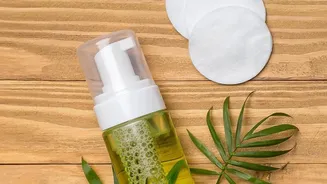
Integrating squalane into your daily regimen is simple due to its versatility. It can be found in cleansers, serums, oils, and creams. The key is to layer it correctly to maximize its benefits. A general rule of thumb for skincare is to apply products from the thinnest consistency to the thickest. Water-based serums should go on first, followed by oil-based products like squalane, and then sealed in with a heavier cream or moisturizer.
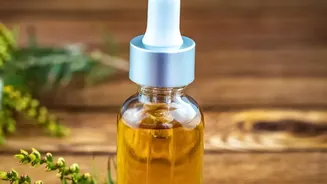
For a direct approach, a few drops of 100% plant-derived squalane oil can be pressed into the skin after your serums and before your final moisturizer, both morning and night. In the morning, it creates a smooth canvas for makeup and provides a protective barrier against the day's environmental stressors. At night, it supports the skin's natural repair cycle by preventing moisture loss while you sleep. You can also add a drop to your foundation for a more radiant finish or use it to soothe dry cuticles and tame flyaway hair.