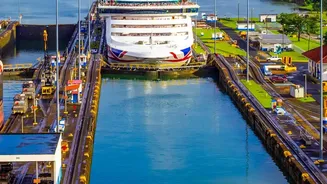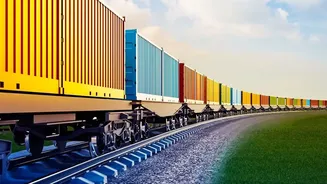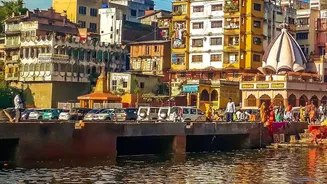

The Grand Vision on Water
India has a vast network of rivers, creeks, and backwaters, but for decades, they have been underutilised for transport. The National Waterways Act of 2016 changed the game by designating 111 inland waterways for development, a massive jump from the original
five. The goal is to create an alternative, cheaper, and more environmentally friendly mode of transport for goods and passengers, reducing congestion on India's overburdened roads and railways. Projects like the Jal Marg Vikas Project (JMVP) on National Waterway-1 (Ganga) are at the heart of this plan, with the government and World Bank investing significantly to augment the river's capacity for large vessel navigation. The vision is to increase the modal share of inland water transport (IWT) from the current 2% to 5%, a move that could significantly lower India's high logistics costs.
Defining the Last Mile
So, what exactly is 'last-mile connectivity'? In logistics, it's the final step of the delivery process from a distribution centre or port to the end-user. In the context of waterways, it means connecting the jetties and terminals on the riverbank to the hinterland—the factories, warehouses, farms, and markets. It’s the network of roads, railways, and smaller transport systems needed to get goods to and from the river. Without these links, a state-of-the-art terminal is just an isolated building on a riverbank. Cargo can’t magically jump from a barge onto a factory floor; it needs to be efficiently transferred to trucks or trains to complete its journey.
The Critical Missing Link
The success of the entire National Waterways project hinges on solving the last-mile puzzle. Inadequate first and last-mile connectivity has been officially identified as a major challenge to increasing cargo movement on the waterways. Businesses won't shift their cargo to rivers if the cost and time saved on the water are lost due to inefficient and expensive transport from the port to their doorstep. Often, high transport costs from river ports to factories can negate the financial benefits of using water transport in the first place. This makes last-mile connectivity not just a supporting feature, but a core requirement for the economic viability of the entire inland waterways system.
Challenges on the Ground
The hurdles are significant. Many areas along the new national waterways lack the necessary infrastructure, such as high-quality, all-weather roads and rail sidings connecting to the jetties. This is especially true in rural and less-developed regions. Furthermore, building this infrastructure requires complex coordination between multiple central and state government bodies—the Ministry of Shipping, which oversees waterways, the Ministry of Road Transport and Highways, and Indian Railways. Land acquisition for these connecting networks can also lead to delays and local resistance. Another challenge is the lack of return cargo on many routes, which can double operational costs for transport operators and make the water route less attractive than road or rail.
Forging the Connections
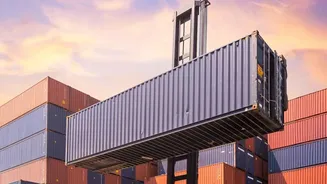
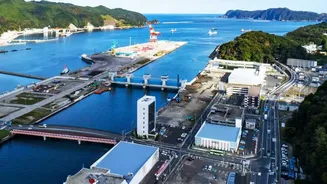
The government is tackling this issue through a multi-pronged approach. Key to this strategy is the development of Multi-Modal Logistics Parks and terminals, like those in Varanasi, Sahibganj, and Haldia under the JMVP. These hubs are designed to integrate water transport with road and rail, creating seamless transfer points for cargo. The Sagarmala Programme, a port-led development initiative, complements this by focusing on enhancing port connectivity through road, rail, and inland waterways. A Comprehensive Port Connectivity Plan (CPCP) has been created to identify and bridge infrastructure gaps, with dozens of road and rail projects already underway to improve connectivity to ports and terminals. The development of 'freight villages' in key locations like Varanasi is another innovative solution being explored to aggregate cargo and address the return-load problem.