






Understanding the Link: Moisture and Odours
The distinct, earthy smell in a damp home comes from microbial volatile organic compounds (MVOCs), which are gassy byproducts released by active mould and mildew. These fungi thrive in damp conditions, feeding on organic materials like wood, drywall,
and fabric. Essentially, what you're smelling isn't just stale air; it's the signature scent of microorganisms growing in your home. This is why musty odours are almost always a direct indicator of an underlying moisture problem, often noticeable long before any visible mould appears.
Spotting the Signs of Excess Moisture
Your nose is a great first detector, but other signs confirm a humidity issue. Look for condensation on windows and glass, which occurs when warm, moist air meets a cold surface. Other red flags include peeling or cracked paint, bulging wallpaper, and discolouration on walls or ceilings. If you notice mould spots, especially in corners or behind furniture, it's a clear sign that moisture levels have been too high for some time. A sticky or stuffy feeling in the air is another common symptom of excessive humidity.
Key Strategies for Whole-Home Moisture Control
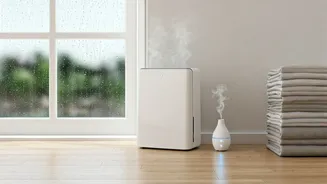
Controlling moisture is about reducing sources and improving airflow. The first step is to fix any leaks from plumbing or roofs. Improving ventilation is crucial; use fans to circulate air, and when the weather permits, open windows to let moist air out. A dehumidifier is one of the most effective tools for managing humidity, especially in sealed-off rooms. You should also check that your air conditioner's filters are clean and that the unit is well-maintained, as it plays a key role in removing moisture from the air.
Tackling Trouble Spots: Kitchen & Bathroom
Kitchens and bathrooms are hotspots for moisture due to cooking and showering. Always use an exhaust fan when performing these activities, and let it run for 15-20 minutes afterwards to clear the humid air. Make sure these fans vent to the outside, not into the attic. Wiping down wet surfaces like tiles and mirrors after a shower can also make a big difference. In the kitchen, covering pots and pans while cooking helps to limit the amount of steam released into the air.
Winning the War in Closets and Wardrobes
Closets and wardrobes are prone to mustiness due to poor airflow. To prevent this, avoid overpacking them to allow air to circulate. Ensure clothes are completely dry before putting them away, as even slightly damp garments can create a breeding ground for mould. Leaving wardrobe doors open periodically can help, as can placing moisture absorbers inside. If a closet is on an exterior wall, try to keep it warm to prevent condensation.
Natural Solutions for a Fresher Home
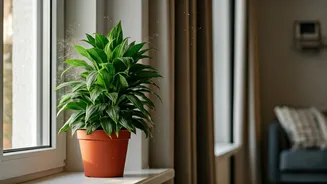
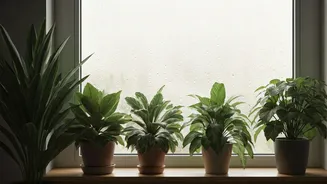
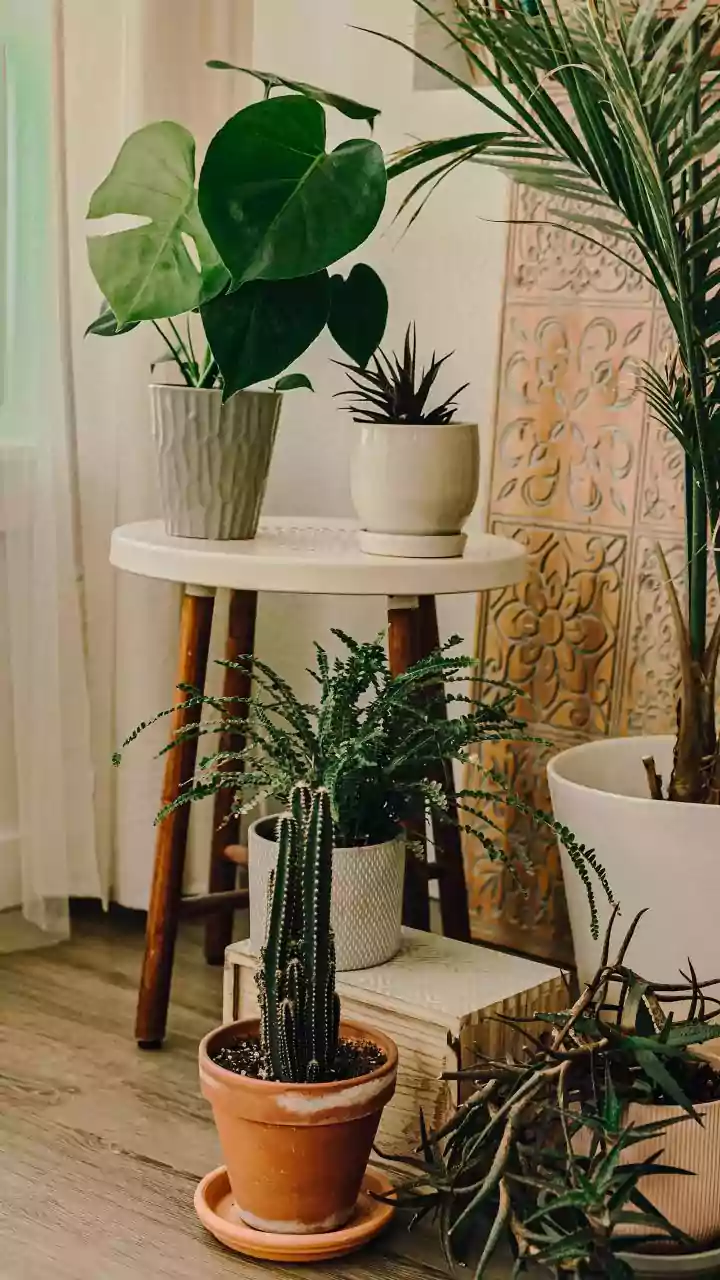
For a low-cost, natural approach, several household items can help. Placing open bowls of baking soda in humid areas like wardrobes can absorb both moisture and odours. Uncooked rice placed in a pouch or bowl also works as a natural desiccant. Some houseplants, such as snake plants and spider plants, are known to be natural dehumidifiers, absorbing moisture through their leaves. You can also place bowls of rock salt around your home, which naturally attracts and traps moisture. For more severe issues, activated charcoal is a powerful absorbent.