


Meet Moringa: The Nutrient-Dense 'Miracle Tree'
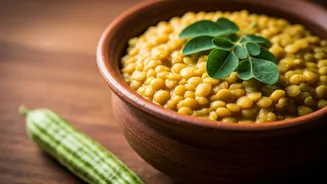
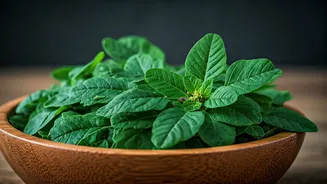
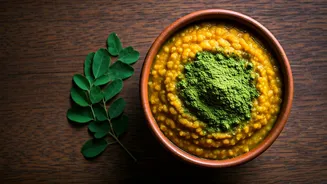
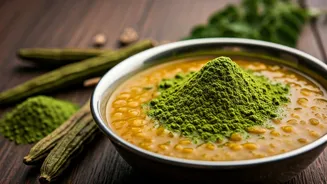
You might know it as ‘sahjan’ or the drumstick tree. For centuries, its leaves, pods, and flowers have been a part of traditional Indian meals and Ayurvedic medicine. While fresh drumstick leaves are fantastic in sabzis and stir-fries, their powdered
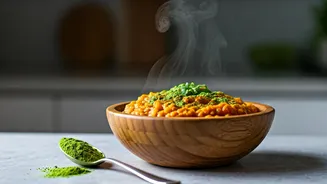
form offers a concentrated dose of nutrients that’s incredibly convenient. Moringa powder is made by harvesting, drying, and milling the leaves, preserving their rich profile of vitamins, minerals, and antioxidants. It's celebrated globally as a 'superfood' because it packs a powerful punch of nutrition, including Vitamin A, Vitamin C, calcium, potassium, and, importantly, iron.
Why Your Dal Needs an Iron Upgrade
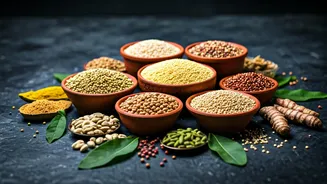
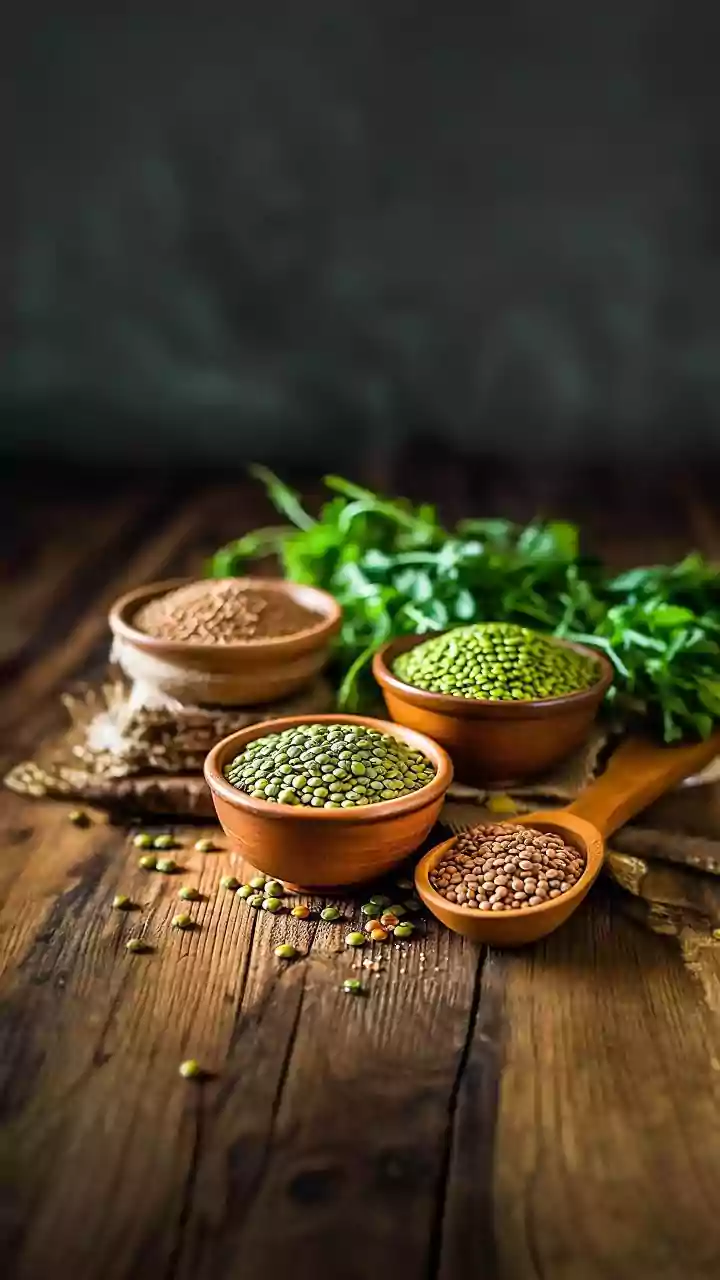
Iron deficiency is one of the most common nutritional issues in India, leading to fatigue, weakness, and anaemia. While lentils (dal) are a good source of plant-based iron, our bodies sometimes need a helping hand. This is where moringa shines. Just one tablespoon of moringa leaf powder can contain a notable amount of iron, contributing significantly to your recommended daily intake. By adding it to your dal, you are fortifying a dish you already eat regularly. It's a seamless, almost effortless way to enhance your diet without drastically changing your habits. This small addition transforms your comforting dal into a functional food that actively works to replenish your body's iron stores.
The Perfect Pair: Flavour and Function
You might be worried about the taste. Moringa powder has a distinct, earthy, and slightly bitter flavour, similar to spinach or matcha. When used in small quantities, this taste is easily masked by the robust spices and aromas of a typical Indian lentil curry. The turmeric, cumin, coriander, and garam masala in your tadka will beautifully complement moringa’s green notes. In fact, many find it adds a pleasant depth to the dal. Beyond flavour, lentils and moringa work in synergy. The dal provides a hearty base of protein and fibre, while the moringa powder layers on a concentrated blast of micronutrients, creating a nutritionally complete and balanced meal.
How to Use Moringa Powder in Your Curries
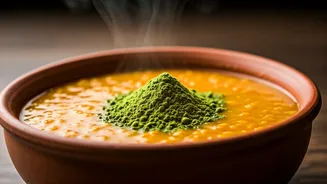
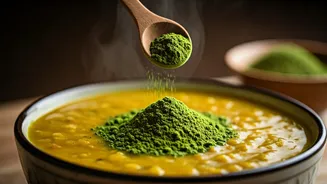
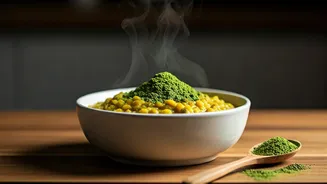
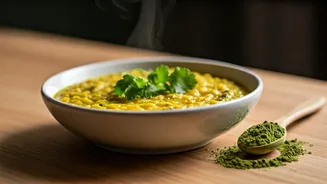
Incorporating moringa into your dal is simple, but timing is key. To preserve its delicate nutrients, which can be degraded by high heat, it’s best to add the powder towards the end of the cooking process. A good rule of thumb is to stir it in a few minutes before you turn off the heat or even mix it into your tempering (tadka) just before pouring it over the dal. How much should you use? Start small. Begin with half a teaspoon per serving and see how you like the taste. You can gradually increase it to a full teaspoon or even a tablespoon once you get accustomed to it. The powder will give your dal a slightly deeper, greener hue, which is perfectly normal. Just stir it well to ensure there are no clumps.
Maximise Absorption with a Squeeze of Lemon
The iron found in plant-based sources like lentils and moringa is called non-heme iron. Our bodies don't absorb it as efficiently as heme iron (from animal sources). However, there’s a simple trick to dramatically increase its absorption: Vitamin C. By pairing your iron-rich dal with a source of Vitamin C, you can help your body make the most of it. The easiest way to do this is to squeeze a generous amount of fresh lemon or lime juice over your dal just before serving. Cooking your dal with tomatoes also helps, as they are another excellent source of Vitamin C. This simple step ensures that the iron you’re adding is bioavailable and ready to be used by your body.