




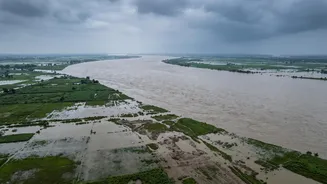
A Catastrophe Not Caused by Rain
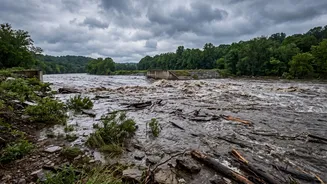
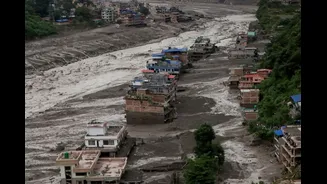
The massive flood that swept down the Bhote Koshi river system was not a result of normal monsoon rainfall. Experts and agencies, including the US Geological Survey, indicate the trigger was a catastrophic glacial collapse and rock avalanche near the Nepal-Tibet
border. This event unleashed a sudden, powerful wall of water and debris that devastated villages and infrastructure in Rasuwa, Nuwakot, and Dhading districts. The disaster destroyed roads, bridges, and numerous hydropower projects, with a tragic human cost, as hundreds of people, including many tourists and Indian pilgrims, were killed or remain missing.
Fears of a Second Immediate Surge
In the immediate aftermath, fears grew about a potential second flood wave, possibly from a lingering blockage upstream. However, Nepal's Flood Forecasting Division has issued a clarification to calm these anxieties. Authorities have stated there is currently no reliable evidence or official basis for rumors of another, larger flood coming from the same source. They have urged the public to remain calm, avoid spreading unverified information, and rely solely on official updates. While the river flow may see minor increases from localized rain, the threat of an imminent repeat of the mega-flood has been officially downplayed.
The Ongoing General Monsoon Risk
Separate from the glacial collapse disaster, Nepal is in its active monsoon season, which poses a persistent, country-wide threat. According to Nepal's Meteorological Forecasting Division, the monsoon trough is in an active position, bringing the potential for light to moderate rain across many parts of the country. Forecasters have warned that heavy rainfall is still possible in the hilly regions of several provinces, including Koshi, Bagmati, Gandaki, and Lumbini. This regular monsoon activity maintains the risk of landslides, soil erosion, and localized flash floods in smaller rivers, requiring continued vigilance from residents in vulnerable areas.
The Cross-Border Impact on India
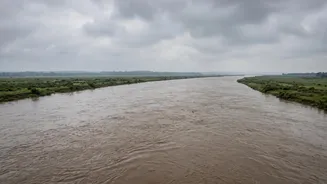
The events in Nepal have significant downstream implications for India. The flood surge is travelling down the Trishuli-Narayani river system, which becomes the Gandak River upon entering India. This has put authorities in Bihar and Uttar Pradesh on high alert for a potential rise in water levels. Districts like Maharajganj and Kushinagar in UP, along with those along the Gandak's course in Bihar, are being closely monitored. The tragedy also has a direct human connection, as a large number of the missing are Indian nationals who were in Nepal for tourism or pilgrimage. In response, India has dispatched humanitarian aid and is working closely with Nepalese authorities.
Official Response and Preparedness
Rescue and relief operations are in full swing in Nepal, with the Nepal Army and other agencies deployed to search for the missing and assist survivors. The scale of infrastructure damage, particularly to roads and bridges, has complicated these efforts. In India, the National Disaster Response Force (NDRF) has been placed on high alert in border areas that may be affected by rising river levels. Both governments have established emergency helplines to provide information and assistance, particularly for the many foreign nationals affected by the disaster.