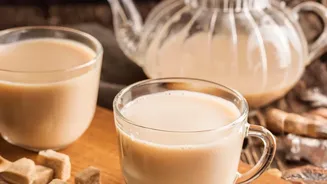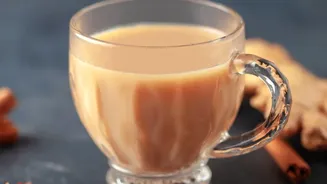




Beyond the Chai Pot
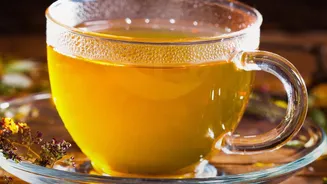
Imagine a beverage that captures the crisp air and ancient traditions of the mountains. That's the essence of Himalayan herbal brews. These are not your standard teas; they are often caffeine-free infusions, or 'tisanes', made from a variety of herbs,
flowers, and plants native to high-altitude regions. The term 'herbal' signifies that they are derived from plants other than the traditional Camellia sinensis tea bush, offering a different spectrum of flavours and benefits. While some may be delicate, floral infusions of chamomile or tulsi (holy basil), others are black or green teas that undergo a special smoking process, adding a layer of complexity that sets them far apart from the familiar spice-and-milk combination of chai.
The Art of Smoke and Terroir
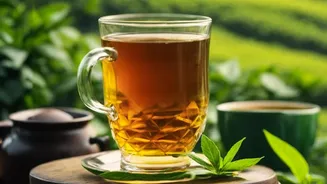
The 'smoked' element is what gives many of these brews their distinctive character. This isn't a modern gimmick but often a traditional preservation or flavouring technique. In places like Darjeeling and Palampur, tea leaves or herbs are carefully dried over smouldering pinewood or other forest firewood. This process infuses the brew with a subtle, aromatic smokiness, reminiscent of a campfire in the mountains. This craft, combined with the unique 'terroir' of the Himalayas — the soil, high altitude, and intense sunlight — forces the plants to produce a higher concentration of protective compounds like polyphenols and antioxidants. The result is a drink with a deep, layered character that tells the story of its origin.
A 'Clean' and Refreshing Choice
When we call these brews 'clean', it refers to several factors that distinguish them from a typical cup of milk chai. Firstly, many are naturally caffeine-free, making them suitable for any time of day without causing jitters or disrupting sleep. For those that do contain tea leaves, the naturally occurring L-theanine in high-altitude teas promotes a state of 'calm alertness', a smoother energy boost compared to the spike from some strong chais. They are also free from dairy and, typically, refined sugar. This makes them an excellent choice for those who are lactose intolerant, managing their sugar intake, or simply want to avoid the feeling of heaviness that can sometimes accompany a rich, milky beverage.
The Sensory Contrast to Milk Chai
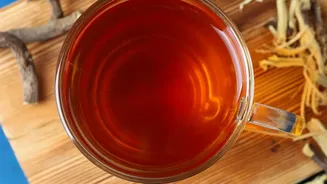
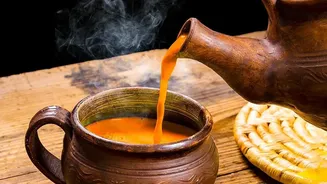
The experience of drinking a Himalayan herbal brew is a world away from sipping milk chai. While chai is creamy, spicy, and sweet — a comforting, indulgent hug in a mug — these brews are often lighter and more nuanced. The flavour profile can range from the bright, citrusy notes of lemongrass to the cool sweetness of spearmint or the complex, savoury notes of a pinewood-smoked black tea. The aroma is a key part of the appeal, offering earthy, woody, or floral scents that evoke the pristine mountain environment. This provides a 'refreshing' quality that cleanses the palate and invigorates the senses, serving as a perfect digestif or a moment of quiet contemplation.
How to Brew Your Himalayan Escape
Embracing these alternatives is simple. Most herbal infusions just require steeping in hot water for a few minutes to release their flavours and beneficial compounds. Smoked black or green teas are brewed similarly, though it's worth paying attention to the recommended water temperature and steeping time to avoid bitterness and fully appreciate their complex notes. Many are best enjoyed plain to savour their natural taste, though a touch of honey can complement some profiles. The goal is to connect with the pure flavour of the plant, unmasked by milk or sugar, offering a direct taste of the Himalayan wilderness.