





Decoding The Social Media Trend Cycle
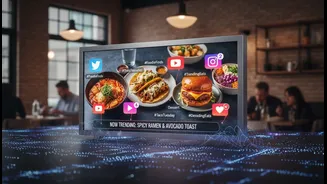
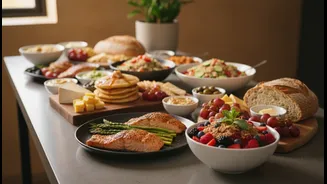
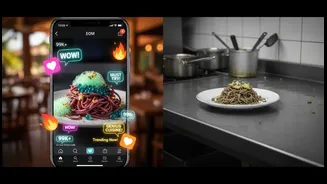
The journey from a viral reel to a nationwide food craze is shorter than ever. Platforms like Instagram are no longer just for sharing photos; they are the primary engine of food discovery in India. A dish’s visual appeal—its colours, textures, and the story
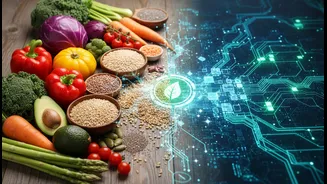
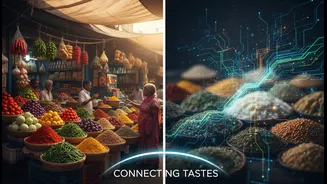
behind it—can determine its success. For Quick Service Restaurants (QSRs) and food creators, this means trend-spotting is a real-time activity. The lifecycle of a trend like Dalgona coffee or a regional specialty dish can be incredibly fast. Brands that wait too long to adapt are often left behind. The key is to differentiate between a fleeting fad and a genuine shift in consumer preference, such as the growing interest in hyper-regional ingredients like Gondhoraj lemons or black rice.
The Critical Need For Menu Speed
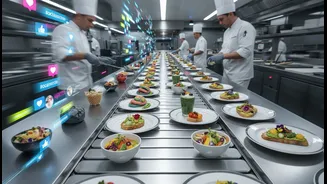
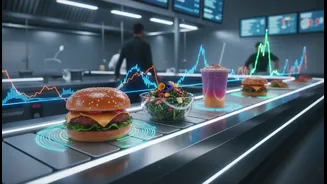
Once a trend is identified, the race is on to get it on the menu. This is where ‘menu speed’—the ability to innovate, test, and launch new items quickly—becomes a competitive advantage. QSR giants are now doubling the number of new items and limited-time offers (LTOs) they release to keep diners excited, particularly younger consumers. A fast, flexible menu allows brands to capitalize on viral moments. This requires an agile kitchen layout designed like an assembly line, a streamlined supply chain, and standardized operating procedures (SOPs) that ensure consistency without sacrificing speed. Some brands even design menus specifically for their Instagram appeal, launching LTOs just to ride a trend wave.
What Today’s Young Indian Diner Demands
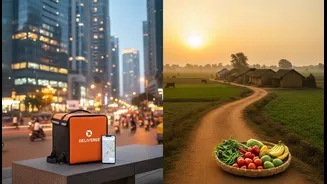
The driving force behind these rapid cycles is the young Indian consumer. Diners aged 15-35, with rising disposable incomes and a digital-first mindset, are reshaping the market. They are not just buying food; they are buying experiences. This demographic is highly influenced by social media, but their demands are increasingly sophisticated. They seek value, but also authenticity and a story behind their meal. Health-consciousness is also on the rise, with a growing demand for plant-based options, nutritious meals, and transparent ingredient lists. Convenience remains paramount, with delivery platforms like Zomato and Swiggy tightening the loop between seeing a dish online and having it delivered.
The Checklist For QSR Brands
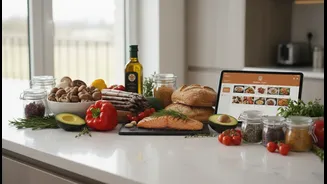
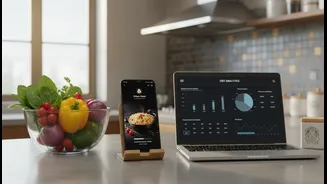
For QSR owners, survival and growth depend on a multi-pronged strategy. First, monitor social media trends relentlessly but analytically. Second, engineer your menu for both profitability and speed; focus on a core of popular items while using LTOs for innovation. Third, invest in technology, from POS systems with real-time inventory alerts to QR code ordering, to maximize efficiency. Fourth, listen to customer feedback and use data to make decisions. Finally, build a brand that stands for more than just speed, focusing on quality, consistency, and a clear identity that resonates with your target audience.
A Guide For Food Creators And Influencers
Food creators are now central to the ecosystem. To maintain credibility, focus on authentic storytelling. Your audience values genuine discovery over sponsored posts. Look for the stories behind the food, whether it’s a forgotten regional recipe or an innovative new dish. Building a community is more valuable than chasing viral fame. Engage with your followers, understand their tastes, and provide real value. For those looking to launch their own brands or cloud kitchens, a deep understanding of operational efficiency is as important as culinary skill. Start small, perfect your product and processes, and then scale.
How Young Diners Can Navigate The Hype
As a consumer, it's easy to get caught up in the 'fear of missing out on food trends' (FOODMO). While trying new things is part of the fun, it's useful to look beyond the hype. Does the viral dish align with your actual taste preferences? Explore the stories behind the food. Many trends are reviving interest in sustainable, locally sourced ingredients that support local economies. Use social media as a discovery tool, but don't let the algorithm dictate your appetite. Your feedback, whether as a review or a social media post, has real power to shape what restaurants serve next.