


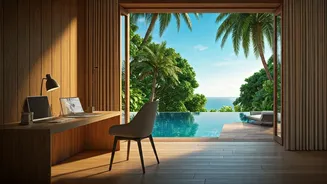


Beyond the Beachfront Cafe
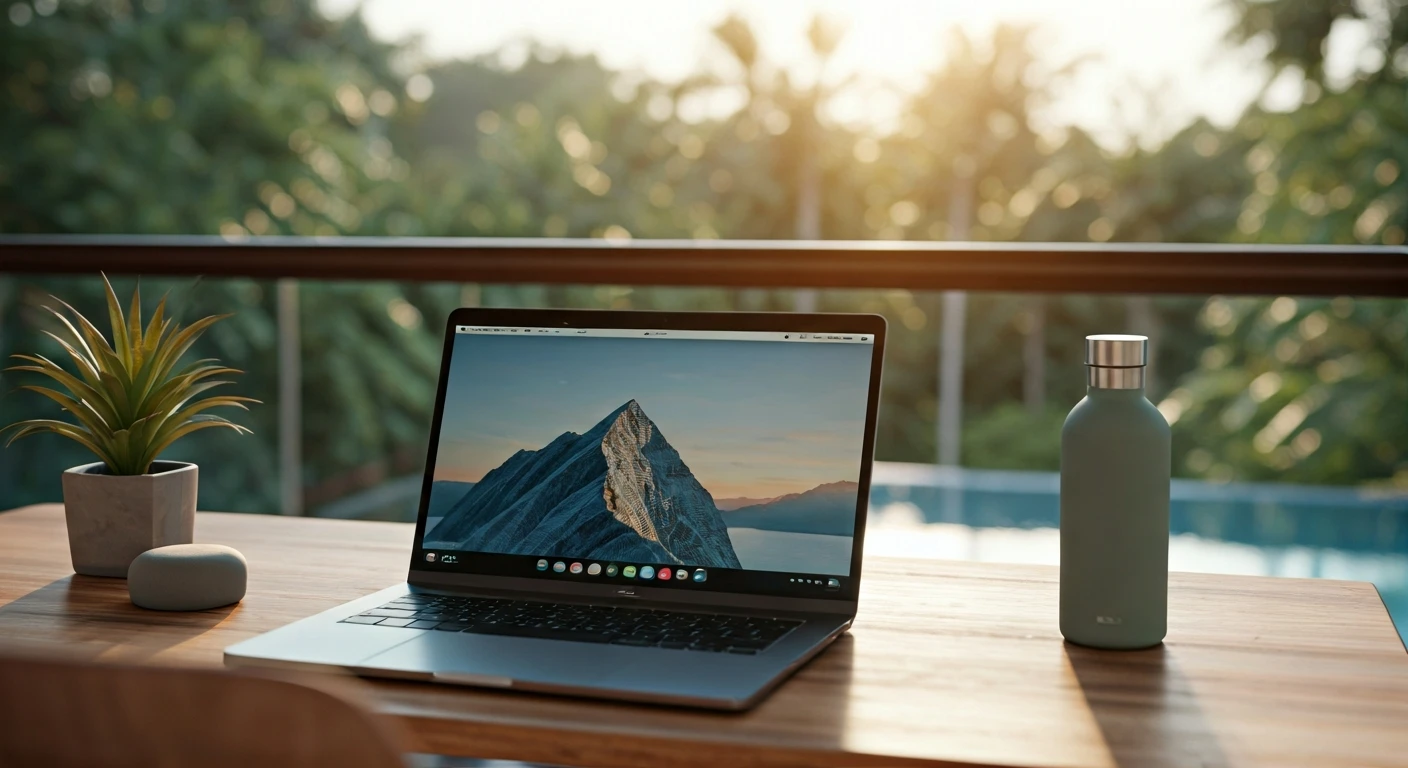
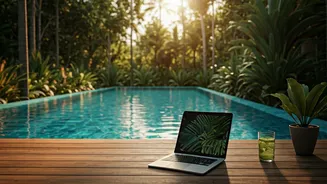
For years, the promise of remote work was simple: freedom. The freedom to work from anywhere with a decent Wi-Fi connection. Bali, with its stunning landscapes and affordable cost of living, quickly became a global hotspot for this new class of worker.
But as the scene matured, a sense of disillusionment crept in for some. The endless cycle of co-working spaces, cafes, and transient social circles started to feel hollow. A growing number of digital nomads are now seeking more than just a beautiful backdrop for their Zoom calls; they are searching for purpose, connection, and a way to live that aligns with their values. This has given rise to a new destination of choice: the zero-waste community hub.
Defining the 'Zero Waste' Hub
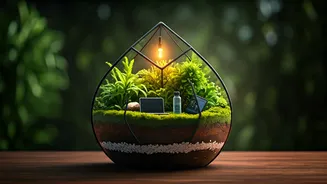
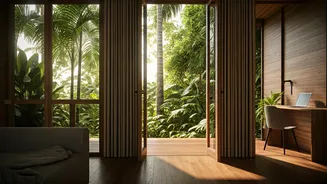
So, what exactly are these hubs? They are more than just co-living spaces with good recycling programs. These are intentionally designed communities, often built with natural and reclaimed materials, that operate on principles of circularity and sustainability. The term 'zero waste' is an ambitious goal, representing a commitment to drastically reduce consumption and ensure that all resources are reused, composted, or recycled. In practice, this means on-site organic farming, composting systems for all food scraps, a complete ban on single-use plastics, water conservation and recycling systems, and a strong emphasis on sourcing everything from food to furniture locally. They are living laboratories for a more sustainable way of life, attracting residents who want to actively participate in, not just consume, their environment.
The Bali Blueprint
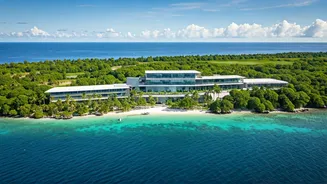
While the movement is global, Indonesia—and Bali in particular—has become its epicentre. Areas like Ubud, long known for its spiritual and wellness culture, are natural incubators for such projects. These hubs combine accommodation, co-working facilities, and community spaces with permaculture gardens, yoga shalas, and workshops focused on sustainable living. For example, some communities are built entirely from bamboo, showcasing its strength and versatility as a sustainable building material. Residents don't just live there; they often contribute. They might help in the garden, lead a skill-sharing workshop, or participate in local clean-up initiatives. It’s a holistic approach that integrates work, life, and environmental stewardship into a single, cohesive experience.
Life Inside the Eco-Bubble
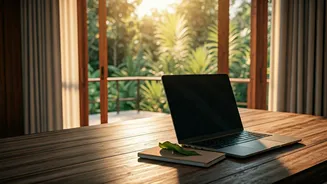
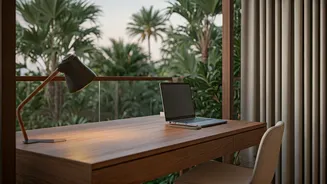
The daily rhythm in one of these hubs is a world away from the typical 9-to-5 grind. A morning might start with a yoga session or harvesting vegetables for the communal kitchen, followed by a few focused hours of work in a shared open-air office. The strong Wi-Fi is a given, but so is the shared sense of purpose. Lunch is often a communal affair, featuring fresh, organic food grown just metres away. The afternoons might involve more work or joining a workshop on anything from natural dyeing to fermentation. The key difference is the social fabric. Unlike the anonymity of a city, these hubs foster deep connections built on shared values and collaborative living. It’s a powerful antidote to the loneliness that can sometimes accompany the digital nomad lifestyle.
A New Model for Work and Travel?
This trend raises fascinating questions about the future of work and travel. While these hubs are currently a niche, they represent a powerful shift in priorities from consumption to contribution. Critics might argue that they are 'eco-bubbles,' accessible only to a privileged few and disconnected from the wider local realities. There is some truth to this, and the challenge for these communities is to ensure they are genuinely integrated with and benefiting their local Indonesian hosts, not just creating exclusive enclaves. However, the model they propose—one where you can build a career while reducing your carbon footprint and living in a supportive community—is a compelling vision. They prove that the freedom of remote work doesn't have to be a solitary pursuit; it can be a collective one.