

A Return to Roots
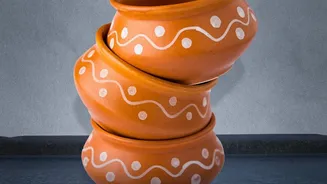
The use of earthenware in Indian kitchens is not a new phenomenon; it's a revival of a tradition that is thousands of years old. For centuries, clay pots, or 'matkas', were essential for storing water and cooking dishes like slow-cooked dals and flavourful
biryanis. This return to terracotta represents more than just a style choice; it's a reconnection with cultural heritage. In a world saturated with mass-produced goods, the imperfections and handmade quality of clay pottery offer a sense of authenticity and a link to the past. This resonates deeply with Gen Z, a generation that often seeks out experiences and products with a genuine story and a tangible connection to history.
The Appeal of Earthy Aesthetics
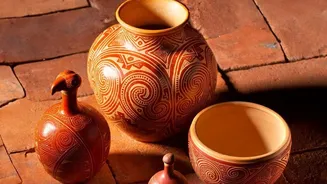
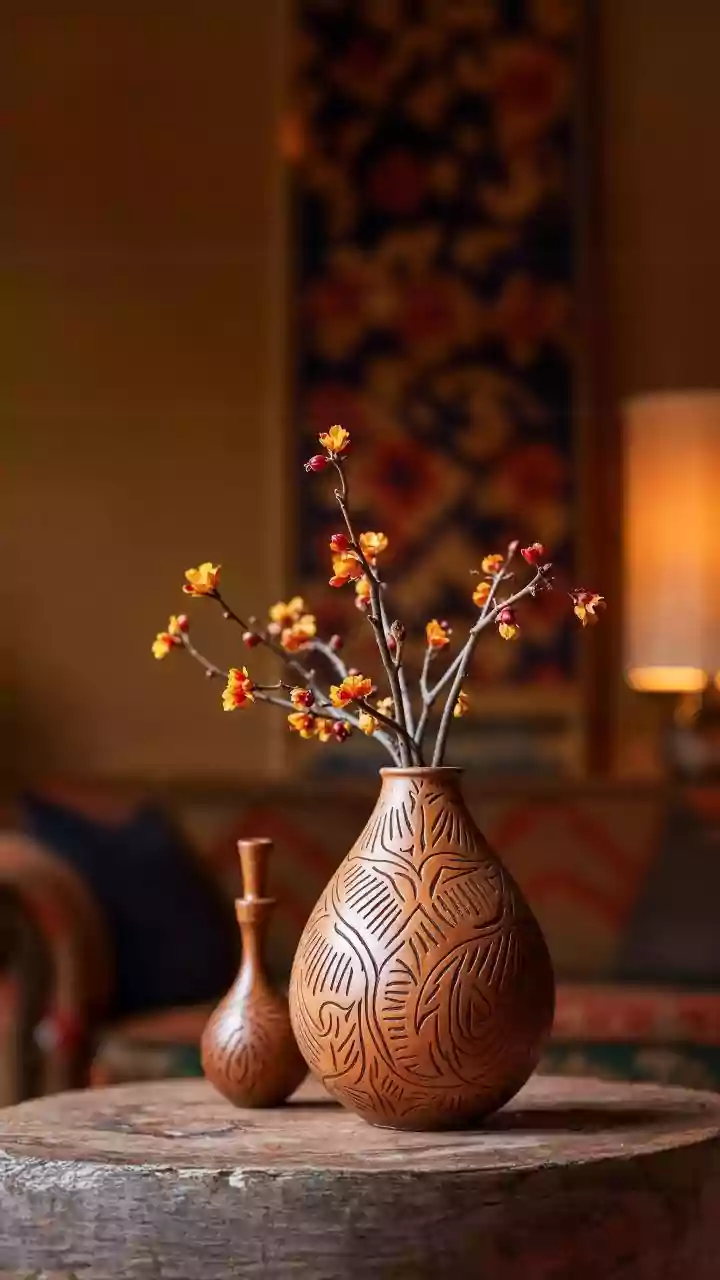
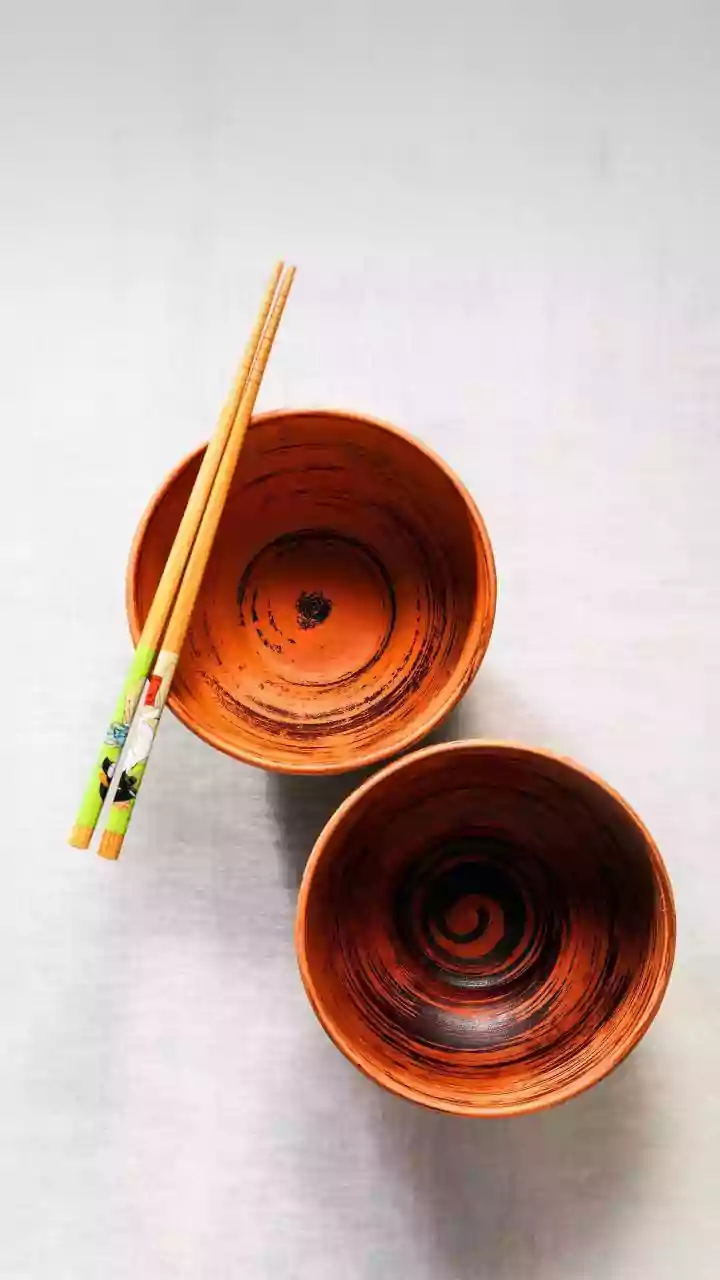
A significant driver of this trend is terracotta's undeniable visual appeal. Its warm, earthy tones—ranging from soft pinks to deep, burnt oranges—provide a natural, calming aesthetic that stands in stark contrast to the cold, uniform look of plastic or metal. This look is incredibly popular on social media platforms like Instagram, where a curated, authentic vibe is prized. Terracotta's matte, textured surface is highly photogenic, creating a beautiful backdrop for food and plants. It complements the minimalist and bohemian interior design styles that are popular today, pairing well with natural materials like wood and linen. For a generation fluent in visual branding, a kitchen outfitted with terracotta is not just functional; it’s a personal style statement.
Wellness Over Sheer Convenience
The shift from plastic to clay is also deeply rooted in the growing wellness movement. Concerns about chemicals like BPA leaching from plastic containers, especially when heated, have made many consumers wary. Terracotta, made from natural clay, is a non-toxic alternative. Proponents of clay pot cooking also claim it enhances the nutritional value of food. The porous nature of clay allows for slow, even cooking, which helps retain moisture and nutrients that can be lost with high-heat methods. Furthermore, clay is naturally alkaline, which can help neutralize the acidity in foods, potentially making them easier to digest and enhancing their natural sweetness. This focus on health and mindful eating aligns perfectly with Gen Z's priorities.
Sustainability as a Core Value
Perhaps the most powerful force behind the terracotta trend is the collective push towards sustainability. Gen Z is highly conscious of its environmental footprint and is actively seeking alternatives to single-use plastics. Terracotta offers a compelling solution. It is made from an abundant natural resource and is biodegradable, meaning it can return to the earth without causing pollution. Choosing clay over plastic is a deliberate act of eco-conscious consumerism. It's a vote for durable, long-lasting products over disposable ones and a way to support local artisans who often handcraft these items, preserving traditional skills. In this context, a simple clay pot becomes a symbol of a more sustainable and responsible lifestyle.
More Than Just Water Pots
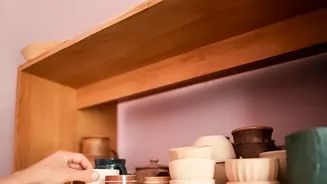
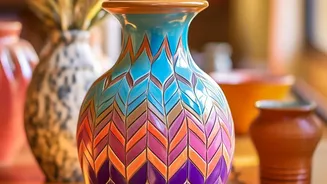
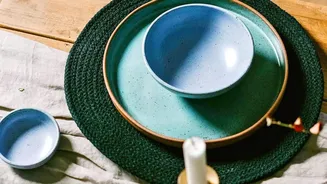
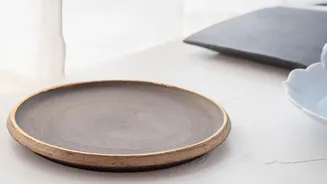
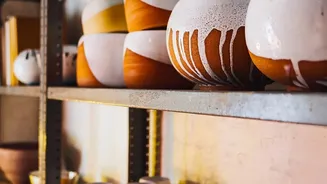
The modern terracotta trend extends far beyond the traditional 'matka'. Today's artisans and designers are reimagining clay for a new generation, creating a wide array of homeware that is both beautiful and functional. You can now find everything from stylish dinner plates and serving bowls to modern cookware like pans and baking dishes. There are also terracotta water jugs that keep water naturally cool, sprouters for healthy home-grown greens, and even elegant diffusers and candle holders that bring an earthy touch to home decor. This versatility allows consumers to incorporate the material throughout their homes, moving it from a purely functional item to a central element of their interior design.