





Why Moisture Is the Enemy
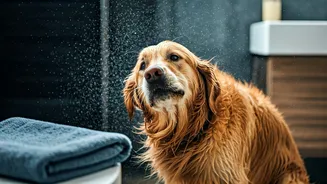
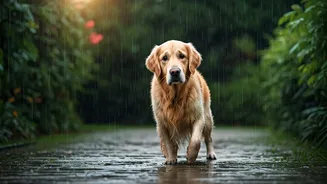
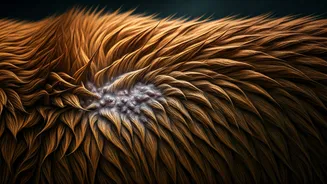
A dog's skin has a natural barrier to protect it, but prolonged moisture breaks down these defenses. When fur remains wet, it traps humidity and warmth close to the skin, creating the perfect microenvironment for bacteria and fungi to multiply. This is especially
true for dogs with double coats, long hair, or skin folds, where air circulation is poor. The combination of a weakened skin barrier and flourishing microbes is a recipe for irritation and infection.
Common Skin Ailments from Wet Fur
One of the most common issues is acute moist dermatitis, better known as 'hot spots'. These are red, inflamed, and painful lesions that can appear suddenly and expand rapidly as the dog licks, chews, and scratches the itchy area. Bacterial infections (pyoderma) and yeast infections are also prevalent. These conditions cause everything from redness and foul odours to greasy skin and hair loss, causing significant discomfort for your pet.
A Special Warning for Monsoon Season
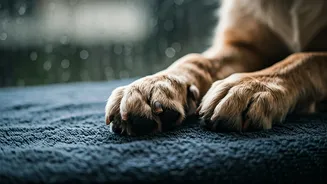
In India, the monsoon season dramatically increases the risk of skin problems in dogs. The high humidity means fur takes much longer to dry naturally, giving infections more time to develop. Paws are especially vulnerable as they are in constant contact with wet, muddy surfaces that can harbour bacteria. During this time, preventive care isn't just a good idea—it's essential for keeping your pet healthy and comfortable.
Signs of Skin Trouble to Watch For
Early detection is key. Be on the lookout for persistent scratching, licking, or chewing at a specific spot. Visually inspect your dog's skin for redness, rashes, swelling, or small bumps. Other tell-tale signs include hair loss, scabby or crusty areas, and any unusual odour coming from the coat. A 'wet dog' smell that doesn't go away even when the fur is dry can be a sign of a yeast or bacterial overgrowth.
The Right Way to Dry Your Dog
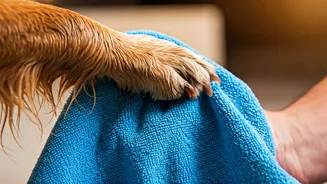
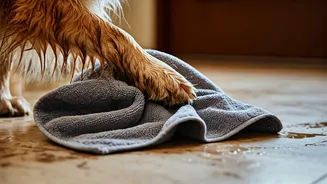
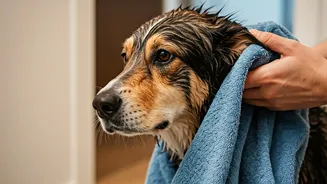
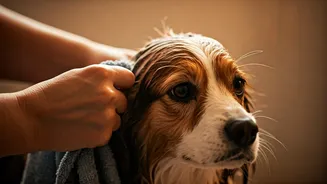
Thorough drying is your best defense. Start with a highly absorbent microfiber towel. Instead of rubbing vigorously, which can cause tangles and irritate the skin, gently press or blot the fur to soak up excess water. For dogs with long or thick coats, a towel alone is often not enough. Consider using a pet-specific hairdryer on a low-heat or cool setting. Human hairdryers can be too hot for a dog's sensitive skin. Make sure to dry often-missed spots like the belly, armpits, ears, and between the toes.
Preventive Grooming and Care
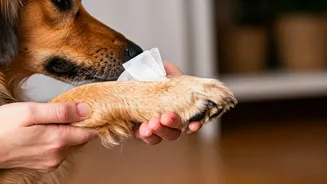
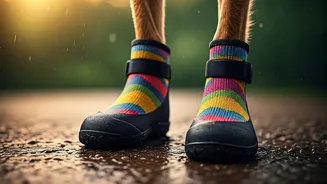
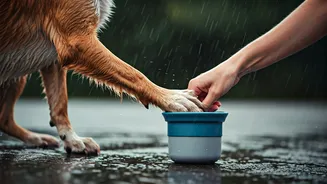
Regular grooming plays a crucial role in prevention. Brushing your dog daily helps remove loose fur, prevents matting that traps moisture, and improves air circulation to the skin. Keeping the hair between paw pads trimmed can stop mud and water from accumulating. After every walk during the monsoon, make it a habit to wipe down and dry your dog's paws and underbelly. Maintaining clean, dry bedding also helps reduce exposure to fungi and bacteria.