







A Monumental Night for Punjabi Music
On September 12, 2026, London's iconic Wembley Stadium transformed into a colossal Punjabi celebration. Diljit Dosanjh became the first Punjabi artist to headline the 90,000-capacity venue, a milestone he marked with the triumphant cry, "Punjabi Aa Gaye
Wembley Oye!" (The Punjabis have arrived at Wembley). This wasn't just a concert; it was a statement of arrival on one of the world's most famous stages. The event was a testament to his journey from a village in Punjab to a global phenomenon, a dream he said was not just for him but for the entire community. The sheer scale, with a reported audience of around 92,000, placed the show among Wembley's biggest, surpassing single-night attendance for stars like Taylor Swift and Ed Sheeran.
The Nostalgia Playbook
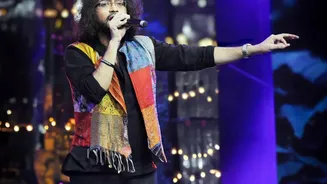
At the heart of the show was a powerful current of nostalgia. Dosanjh curated a setlist that spanned his two-decade career, ensuring a connection with fans who have followed him from the beginning. Beyond his own hits, he paid homage to legends, creating moments of deep cultural resonance. A standout moment was his rendition of "Sanson Ki Mala Pe," a classic made famous by the legendary Pakistani qawwal Nusrat Fateh Ali Khan. Performing this beloved song, which transcends borders, in a venue filled with a diaspora from across the subcontinent, powerfully showcased Punjab's shared, pre-partition heritage. These choices demonstrated that the night was not only about modern chart-toppers but also about emotion, heritage, and the timeless sounds that have shaped South Asian music for generations.
Crafting a Global Appeal
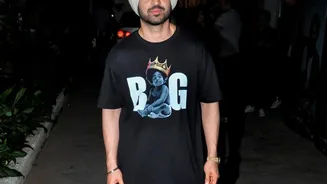
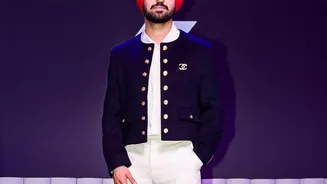
While rooted in tradition, the concert was undeniably modern and global. Dosanjh is a master of cultural fusion, and the Wembley show was a perfect example. He seamlessly blended traditional Punjabi attire with high-end streetwear, a visual representation of his unique brand. The setlist included his massive global hits like "Lover," "G.O.A.T.," and "Hass Hass," songs that have found audiences far beyond the Punjabi-speaking world. Even his stage interactions were designed to cross divides; he invited fans of all ages, including children and an elderly woman, onto the stage for selfies and gifts, fostering a sense of connection in the enormous stadium. This ability to be both authentically Punjabi and universally cool is central to his appeal to a new, younger, and more diverse audience.
An Unmistakable Identity
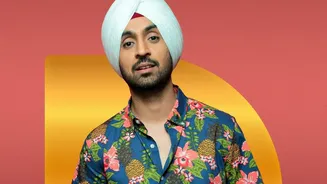
Perhaps the most significant aspect of Dosanjh's success is that he has reached global stardom without diluting his identity. The Wembley show was a proud display of Punjabi and Sikh culture. His turban, traditional clothing, and language were front and center. Reports noted that complimentary turban-tying services were available at the venue, inviting attendees of all backgrounds to participate in the celebration. For years, many in the diaspora felt pressure to assimilate, but Dosanjh has turned Punjabi identity into a symbol of "wakhra swag" or unique style. When he stands on a global stage, he represents a powerful shift where cultural specificity becomes a source of pride and a key part of his global brand.
A Blueprint for the Future
The impact of the Wembley show extends beyond a single night of music. It represents a watershed moment for Indian artists on the world stage. Dosanjh proved that an artist can achieve monumental success while staying true to their roots, language, and culture. His journey from local stages in Punjab to Coachella and now a sold-out Wembley provides a powerful blueprint for the next generation. The concert was a celebration not just for the Punjabi diaspora but also drew cheers from fans across South Asia, including many in Pakistan who celebrated the shared cultural moment online. It showcased the power of music to connect communities across borders and established a new benchmark for what is possible for artists from the subcontinent.