


General Rules for the Monsoon Market
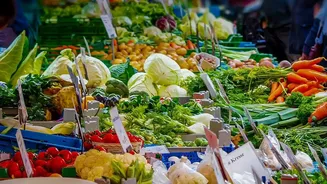
The damp and humid conditions of the rainy season create a perfect breeding ground for bacteria, fungi, and pests. This makes choosing your vegetables wisely more important than ever. Start by observing the vendor's stall; ideally, produce should be kept
on raised platforms, away from dirty water on the ground. Avoid buying pre-cut or peeled vegetables, as these have a higher risk of contamination. It's also best to shop for smaller batches more frequently rather than buying in bulk. This ensures you are always using the freshest possible ingredients. If a vegetable looks bruised, has soft spots, or smells off, it's best to avoid it, no matter how tempting the price. Trust your senses—a fresh vegetable should look vibrant, feel firm, and have a clean, earthy scent.
Leafy Greens: Handle with Care
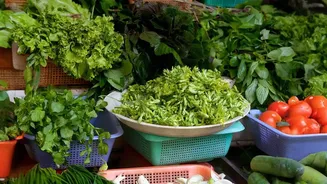
Leafy greens like spinach (palak), fenugreek (methi), and amaranth (chaulai) are particularly vulnerable during the monsoon. The excess moisture can cause them to rot quickly and can harbour dirt, germs, and tiny insects within their leaves. When buying, inspect the leaves closely. They should be crisp and bright green, not yellow, wilted, or slimy. Check the bunches for any signs of mud or pests hidden between the stalks. Some experts even advise avoiding leafy greens during the peak of monsoon if you are unsure of their source. If you do buy them, plan to consume them the same day and wash them thoroughly by soaking them in a bowl of clean water, changing the water several times before cooking.
Gourds and Beans: Look for Firmness
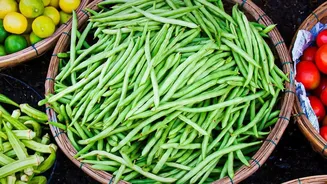
The rainy season is the peak time for a variety of gourds like bottle gourd (lauki), ridge gourd (tori), bitter gourd (karela), and ivy gourd (tindora), as well as different types of beans. These vegetables are generally more resilient to the damp weather. For gourds, the key indicator of freshness is a firm, smooth skin that is free from blemishes, soft spots, or wrinkles. The colour should be even and vibrant. When you press it lightly, a fresh gourd should feel firm and not give way. For beans, look for pods that are firm and snap easily when bent. Avoid beans that are limp, rubbery, or have brown spots.
Cruciferous Vegetables: Check for Worms
Vegetables like cauliflower and cabbage are notorious for hiding worms and pests, a problem that gets worse during the monsoon. The dense layers provide the perfect hiding spot for insects. When selecting a cauliflower or cabbage, look for heads that are compact, heavy for their size, and have crisp outer leaves. Check the gaps between the florets or leaves for any small holes, black spots, or visible worms. Sometimes, a pale or yellowish colour can indicate it is old. Because pests can be hard to spot, it is a good practice to soak these vegetables in saltwater or a vinegar-water solution for about 15-20 minutes before cooking to help dislodge any hidden worms.
Root Vegetables: Keep Them Dry
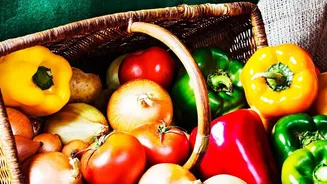
Root vegetables like potatoes, onions, ginger, and garlic are pantry staples, but high humidity can cause them to spoil quickly. The main things to watch out for are sprouting, mould, and softness. When buying potatoes, choose ones that are firm, smooth, and free from green patches or sprouts, which indicate they are old. Onions should be firm with dry, papery skin. Avoid any that feel soft, have damp spots, or have started to sprout. Ginger and garlic should be firm and heavy for their size, with no signs of shrivelling or mould. Once home, store these vegetables in a cool, dark, and dry place with good air circulation—never in a sealed plastic bag and preferably not in the refrigerator, which can affect their flavour and texture.