


The Soul of Warm Minimalism
Warm minimalism is an interior design philosophy that marries the clean, uncluttered principles of minimalism with a deliberate focus on comfort and character. Unlike its colder predecessor, which often relied on glossy surfaces and sharp angles, this
approach celebrates how a space makes you feel. It’s about rejecting visual noise in favor of a serene environment, but ensuring that what remains is inviting, tactile, and human. The goal is to create a home that feels like a refuge from the outside world—a space that is edited with intention but still feels deeply personal and livable.
Build a Grounded Color Palette
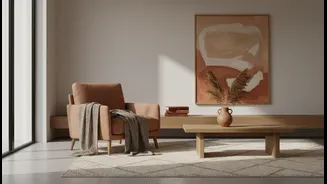
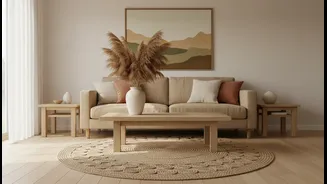
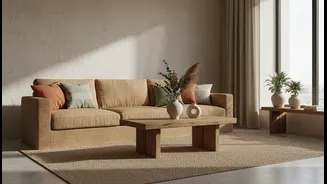
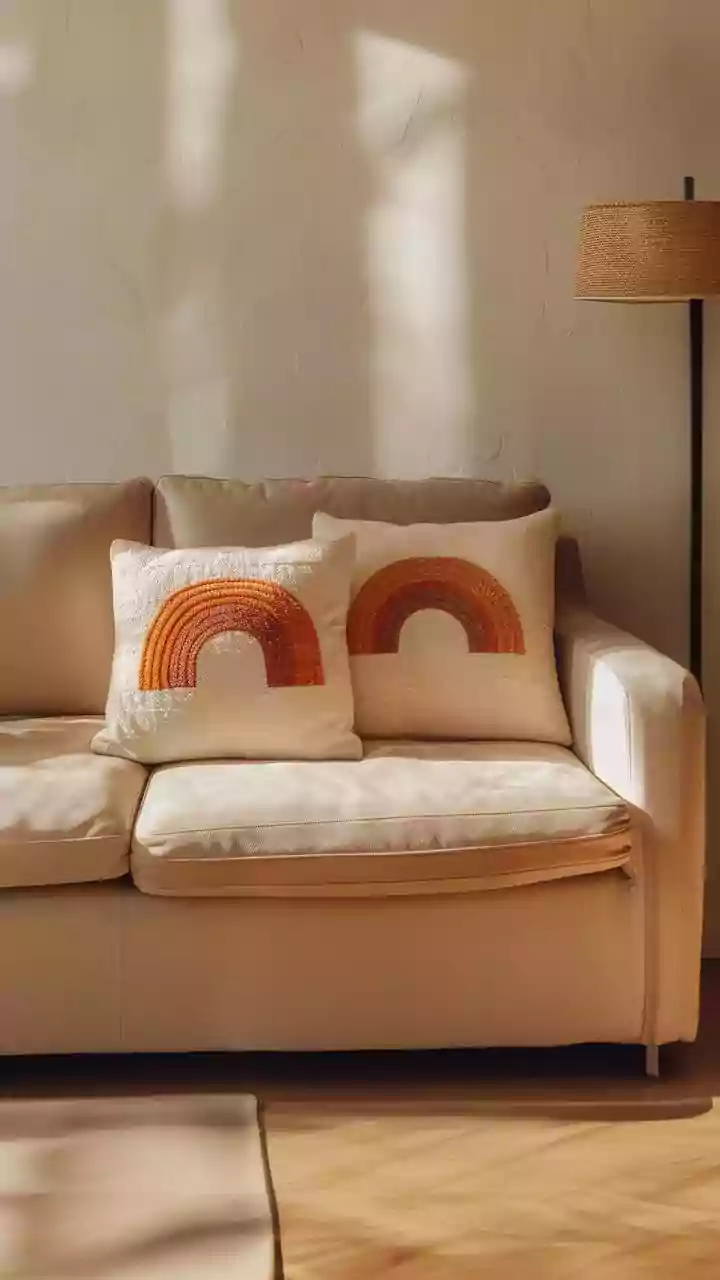
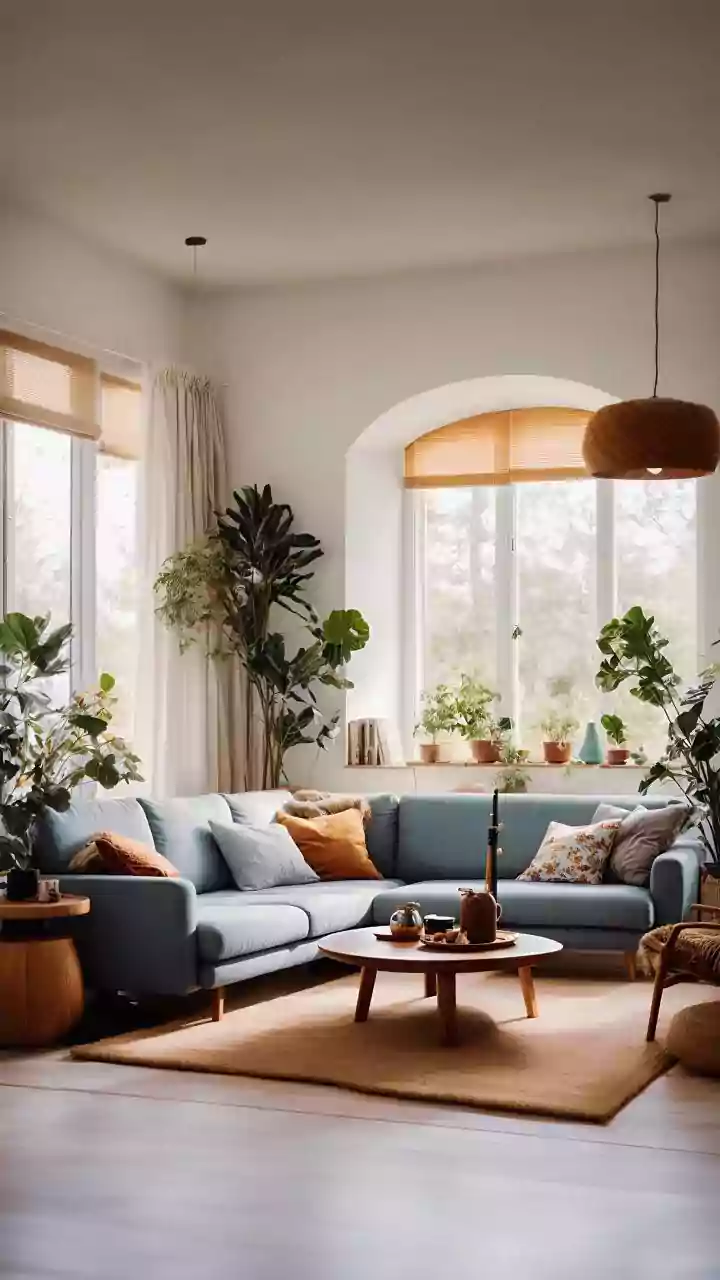
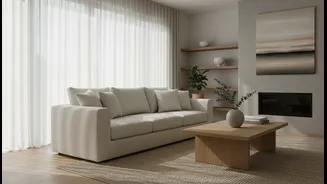
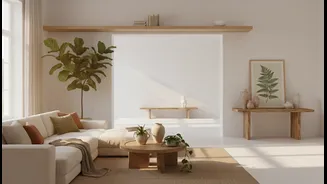
The foundation of a warm minimalist home is its color scheme. Instead of stark, clinical whites, this style leans into a neutral palette of warm whites, creams, beiges, and soft greys. These shades create a soothing backdrop that allows the textures and materials in the room to take center stage. For quiet depth, consider earthy accent tones like terracotta, olive green, rust, or muted blues. The key is to layer these tones to create visual interest without high contrast, fostering a sense of calm. Accents of warm-toned woods and soft metals like brass or antiqued gold can also add a layer of understated warmth.
Texture Is the New Pattern
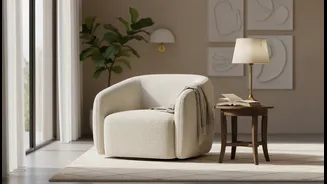
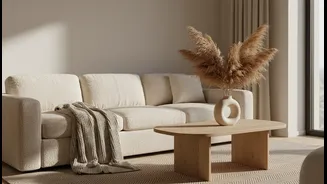
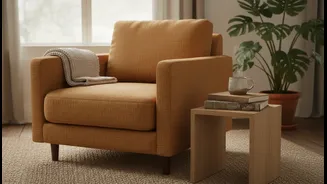
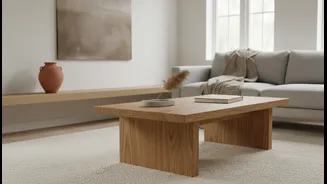
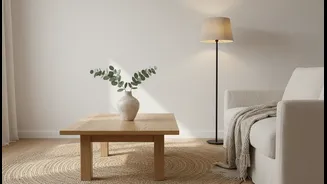
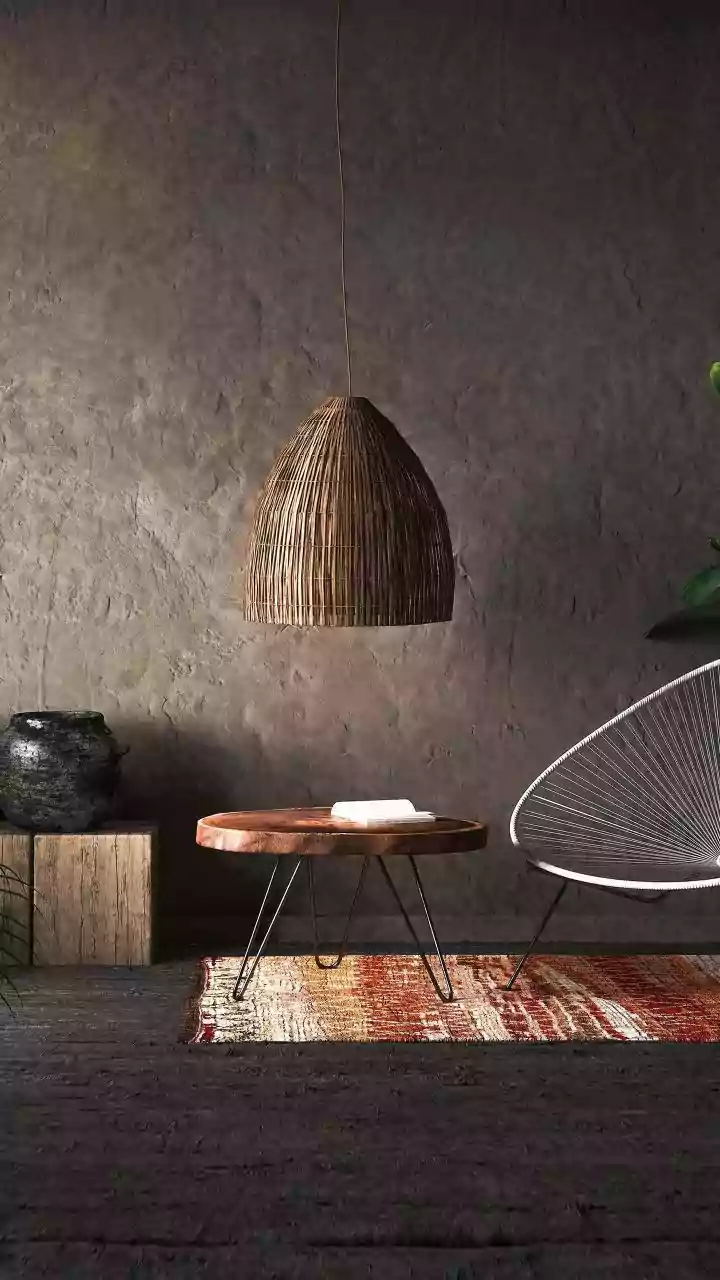
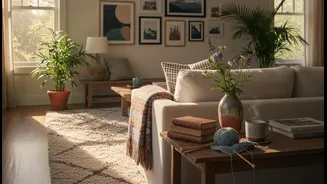
Where traditional minimalism might feel flat, warm minimalism gets its soul from texture. This is how you introduce the crucial element of "softness" to balance the clean lines. The focus is on natural, tactile materials that engage the senses. Think of the rich grain of a solid oak coffee table, the subtle weave of linen curtains, the nubby feel of a bouclé armchair, or the plushness of a wool rug underfoot. The idea is to create contrast not with busy patterns, but with a mix of textures—pairing smooth with rough, and soft with structured—to add dimension and prevent the space from feeling sterile.
Choose Furniture with Intention
In a warm minimalist home, every piece of furniture serves a purpose, both functionally and aesthetically. The philosophy is to invest in fewer, better pieces with simple silhouettes and timeless quality. Look for items that combine clean lines with comfortable, organic shapes—a low-profile sofa with soft upholstery, a bed frame in a natural wood, or chairs with gentle curves. Avoid matching sets in favor of a curated collection of pieces, which can include vintage or antique finds to add character. This intentional selection ensures that even though there is less in the room, the beauty and craftsmanship of each piece stands out.
Curate Surfaces, Don't Clear Them
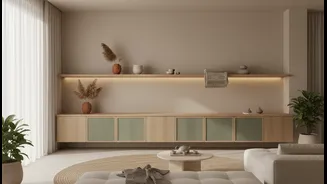
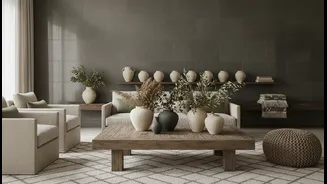
The idea of "clear surfaces" in warm minimalism isn't about emptiness; it's about mindful curation. Instead of clutter, surfaces should hold a few meaningful objects that bring joy or serve a function. This could be a piece of handcrafted pottery, a stack of beloved books, a sculptural vase, or a tray to organize daily essentials. Quality trumps quantity. By editing down to the most essential or loved items, you give each object breathing room, allowing its shape and texture to be appreciated. This practice maintains the calm of a minimalist space while infusing it with personal warmth and story.
The Final Layer: Soft Lighting
Lighting is one of the most powerful tools for creating warmth. A common mistake in minimalist spaces is relying on a single, harsh overhead light, which can make a room feel cold and flat. Warm minimalism instead uses a layered lighting approach. This involves mixing multiple sources: ambient light from a floor lamp with a linen shade, task light from a reading lamp, and accent light from a soft spotlight on a piece of art. Using bulbs with a warm color temperature (around 2700K) is crucial for achieving a soft, candlelit-like glow that enhances the cozy atmosphere.