





More Than Just a Pretty View
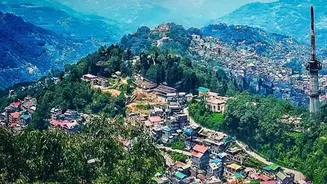
For years, the dream of working from the mountains was just that—a dream, hampered by patchy internet and a lack of infrastructure. But Gangtok has quietly transformed into a haven for digital professionals. The primary driver is a robust digital backbone.
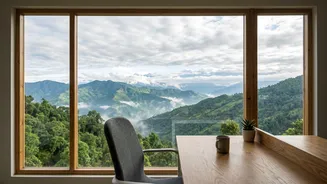
Co-living spaces and work-friendly hotels now offer high-speed Wi-Fi with power backups, a non-negotiable for any tech worker. This shift addresses the core need for reliable connectivity, making it feasible to handle everything from coding sprints to client calls amidst the Himalayas. The government has also stepped in, with initiatives like the 'Nomad Sikkim' project in villages like Yakten, which aims to create a sustainable remote work environment by ensuring stable internet and electricity.
The Cure for Remote Work Isolation
Remote work offers freedom, but it can also be incredibly isolating. This is where the 'co-living' aspect comes into play. These hubs are more than just shared office spaces; they are curated communities. They bring together a diverse group of freelancers, entrepreneurs, and remote employees, fostering an environment of collaboration and social interaction. This built-in network provides a crucial support system, helping to combat the loneliness that many tech workers experience while working from home. Instead of logging off to an empty apartment, residents can share meals, brainstorm ideas, or plan weekend treks with like-minded individuals, blending professional life with a vibrant social calendar.
An Unbeatable Work-Life Balance
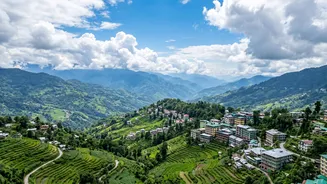
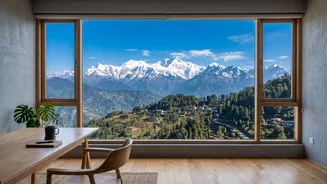
The biggest draw for many is the radical improvement in quality of life. In cities like Bengaluru or Hyderabad, a tech worker’s day is often bookended by stressful, traffic-clogged commutes. In Gangtok, the daily routine is starkly different. Mornings can start with a view of Kanchenjunga, and work breaks can involve a stroll along the clean, pedestrian-only MG Marg. Weekends are for exploring ancient monasteries, hiking through rhododendron forests, or simply soaking in the serene atmosphere. This proximity to nature offers a powerful antidote to professional burnout. The clean air, pleasant weather, and slower pace of life contribute significantly to mental and physical well-being.
A Smart Financial Move
While the lifestyle is a huge pull, the economics are just as compelling. The cost of living in Gangtok is significantly lower than in India's major tech hubs. Rent for a one-bedroom apartment can be as low as ₹5,000-9,000, a fraction of what one would pay in a metro city. While daily necessities might be slightly more expensive than in the plains, the overall monthly expenditure is considerably less. Co-living and co-working spaces offer affordable packages that bundle accommodation, workspace, and utilities, providing a hassle-free and economical alternative to renting a traditional apartment and office space separately. This financial relief allows tech workers to save more, invest in personal projects, or simply enjoy a higher quality of life without the constant financial pressure.
A Sustainable Model for the Future
The rise of Gangtok as a workation hub is not just a fleeting trend but a glimpse into the future of work in India. The 'Nomad Sikkim' initiative in Yakten village, which equips homestays with high-speed internet for year-round remote workers, is a pioneering example. This model creates a win-win situation: it provides a sustainable, year-round income for local communities that were previously reliant on seasonal tourism, and it offers professionals a unique opportunity to live and work in an inspiring environment. By integrating modern infrastructure with local culture and natural beauty, Sikkim is creating a blueprint for how other regions can attract and retain talent in the new remote-first world.