
An Unlikely Alliance
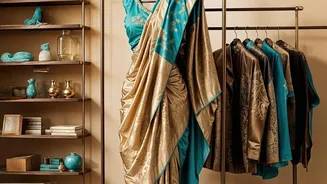
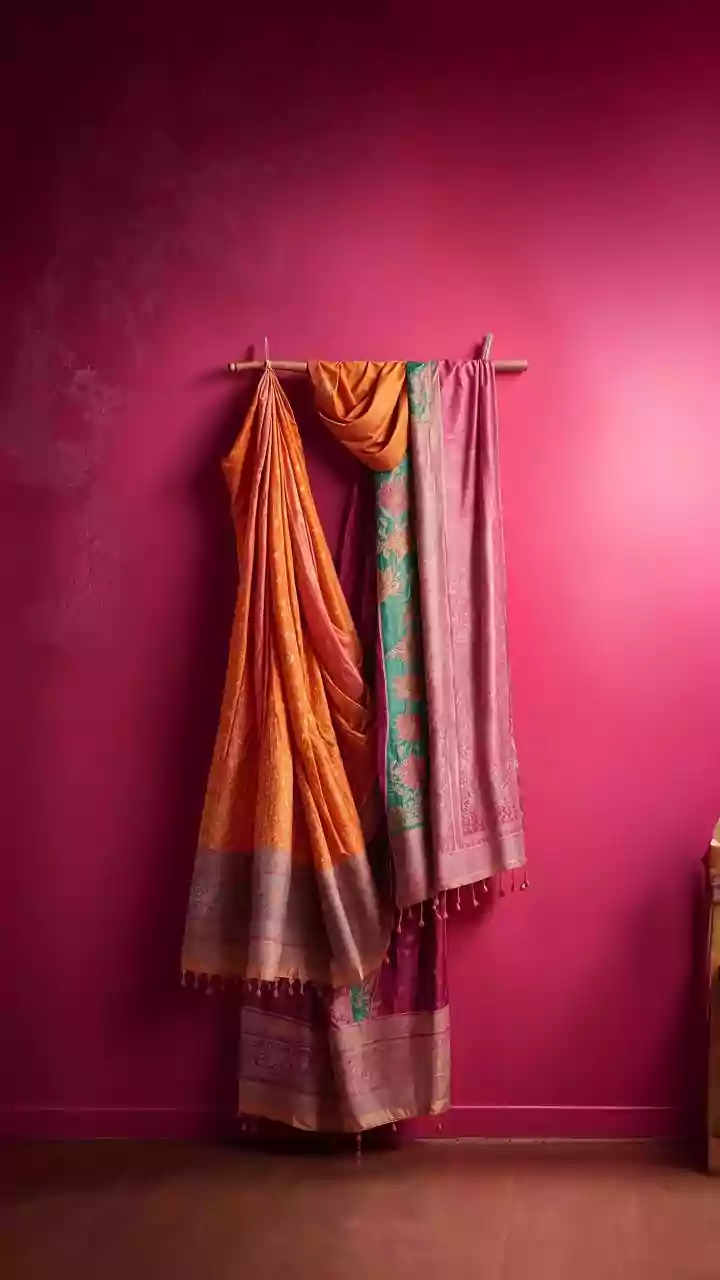
For generations, handloom textiles were often reserved for saris and ceremonial attire, treasured for their intricate craftsmanship but sometimes seen as separate from daily, contemporary fashion. On the end of the spectrum is streetwear: a global movement
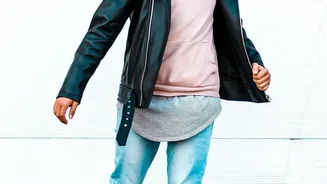
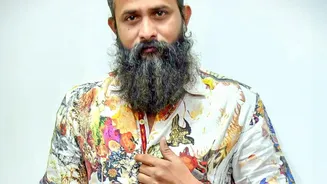
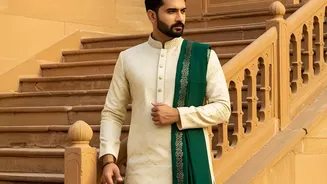
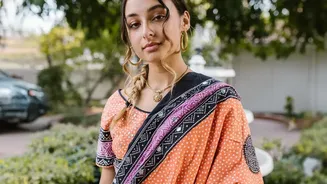
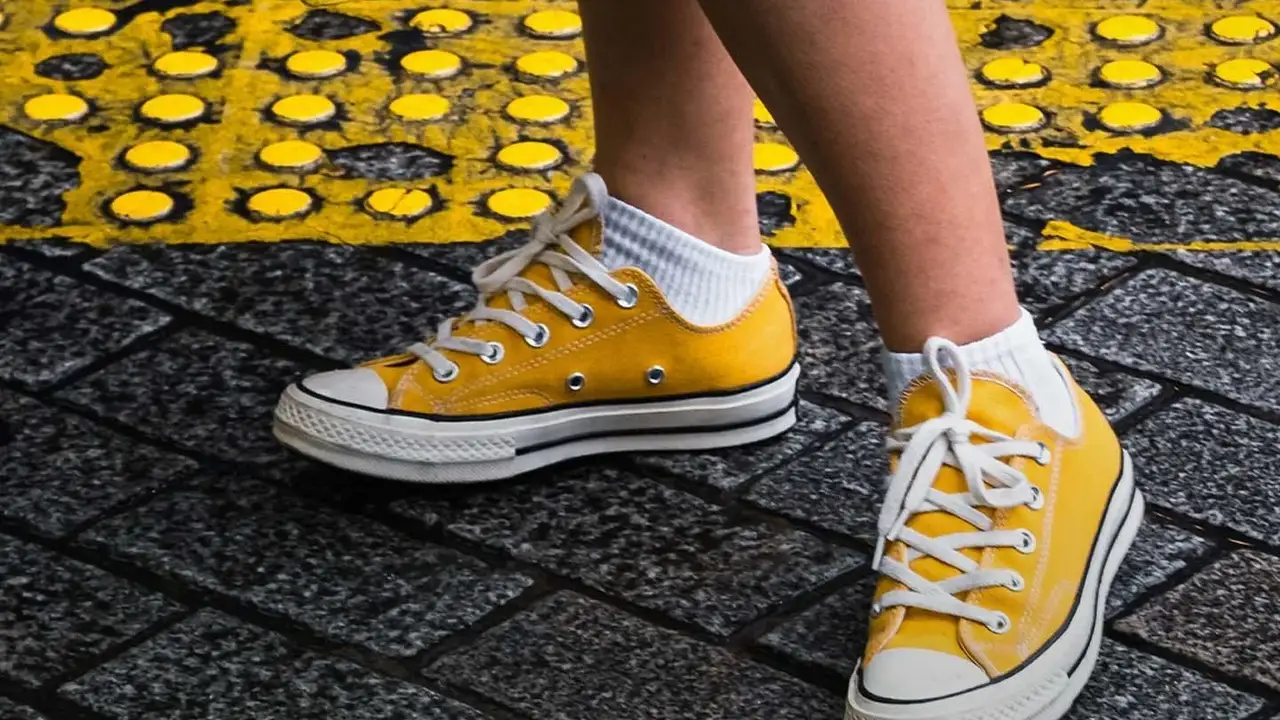
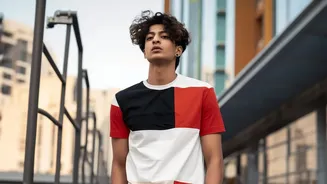
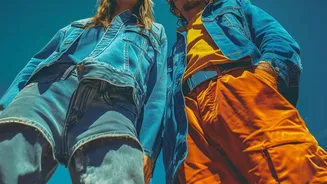
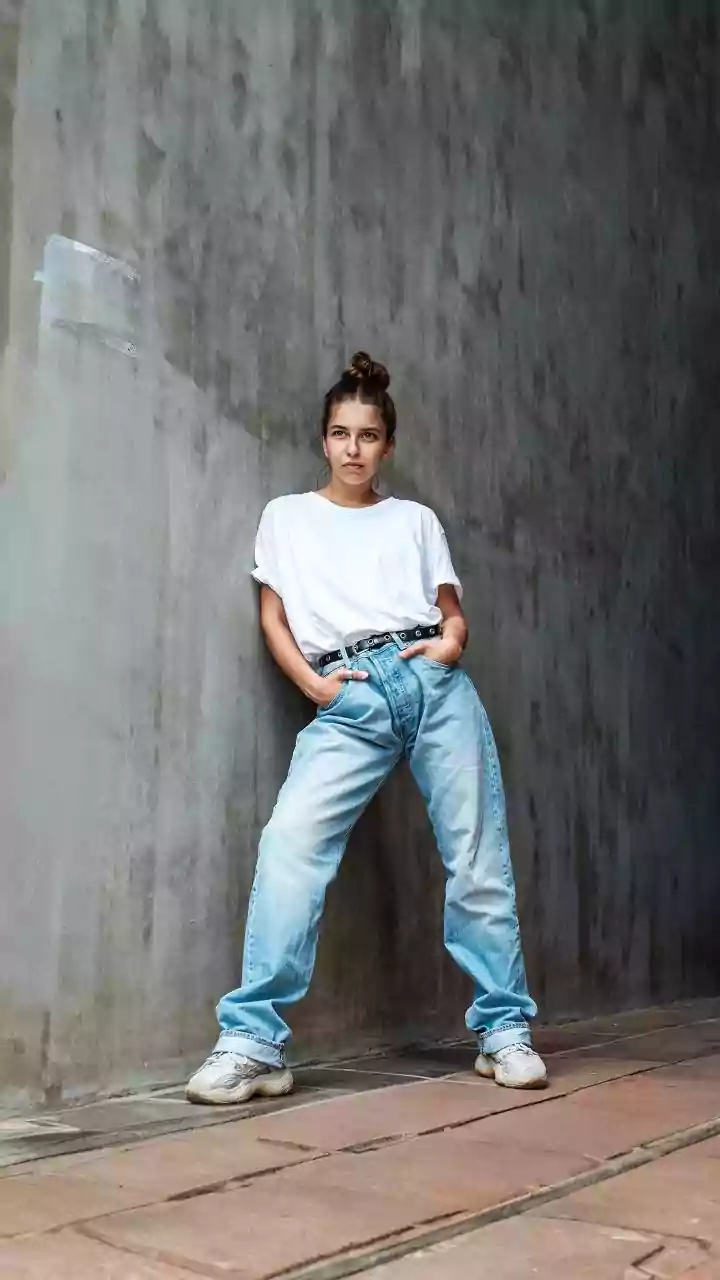
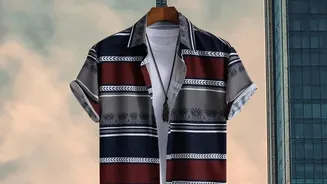
defined by comfort, utility, and self-expression through hoodies, oversized tees, and sneakers. The fusion of these two worlds seems improbable, yet it's becoming one of the most exciting stories in Indian fashion. Today, fabrics like Khadi, Ikat, and Jamdani are no longer confined to traditional wear. They are being reimagined into bomber jackets, relaxed-fit trousers, and bucket hats, creating a style that feels both deeply rooted and undeniably modern.
A Pushback Against Fast Fashion
One of the major drivers behind this trend is a growing desire for sustainability and authenticity, particularly among younger consumers. Gen Z and millennials are increasingly questioning the environmental and ethical costs of fast fashion, with its rapid production cycles and disposable mindset. Handloom production, by its very nature, is a form of slow fashion. It uses minimal energy, relies on natural fibres, and supports the livelihoods of artisan communities. For a generation seeking to make more conscious choices, a handwoven garment offers a story, a connection to the maker, and a clear alternative to mass-produced goods. This shift represents a move towards valuing quality and craftsmanship over fleeting trends.
Forging a Modern Indian Identity
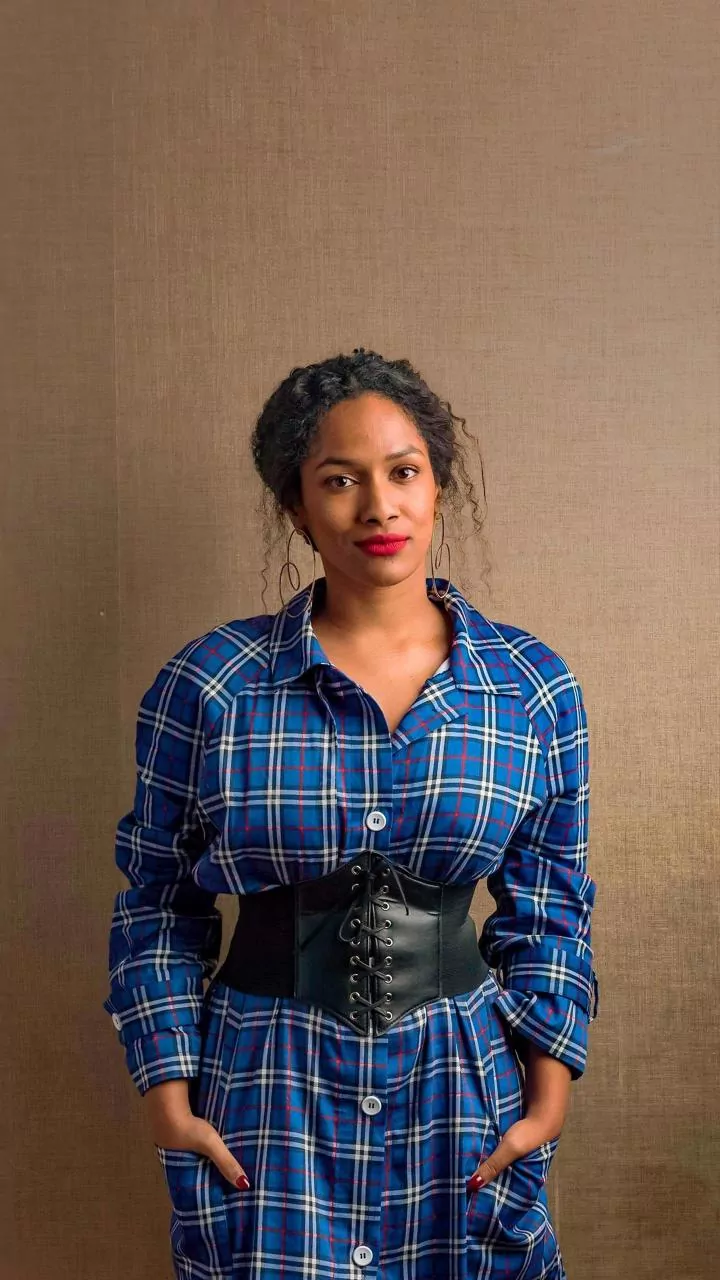
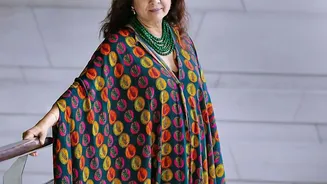
Beyond sustainability, this movement is deeply connected to a search for identity. Young Indians are navigating a globalised world while seeking a connection to their own cultural heritage. Wearing handloom as streetwear is a powerful way to express this dual identity. It’s a declaration that being modern doesn’t mean leaving tradition behind. Designers and brands like NorBlack NorWhite are at the forefront, blending artisanal textiles with global street culture to create something entirely new. This new 'Neo-Traditional' aesthetic allows youth to signal a connection to their roots, re-asserting a regional and national identity in a way that feels personal and cool, not imposed.
The Role of Designers and Social Media
This cultural shift is being amplified by a new wave of Indian designers who are fearlessly experimenting with heritage textiles in contemporary silhouettes. They are creating pieces that are not just beautiful but also wearable and functional for a modern, urban lifestyle. The results are visible across the country, from Kerala's Kasavu weaves being reimagined as drop-shoulder tops to Hyderabad's Pochampally Ikat appearing on tech pants. This creative renaissance is powerfully broadcast on social media. Platforms like Instagram are a visual playground where influencers and everyday users show how to style an Ajrakh stole with a simple t-shirt or pair a Jamdani piece with combat boots. This makes the trend accessible, aspirational, and demonstrates its versatility to a massive audience.