








The School Holiday Scramble
For anyone travelling with a family, or even those who aren't, school holiday schedules are the single biggest factor influencing crowds and costs. In India, the academic calendar creates predictable peak travel periods. The longest break is the summer
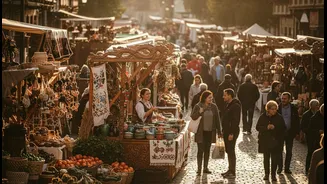
vacation, typically running from May through June. This is when family-friendly destinations, from the hills of Himachal to international spots like Europe, see a massive influx of tourists. Consequently, flight and hotel prices skyrocket. Other significant breaks include the Dussehra or Autumn break in October and the Diwali break, often in late October or early November. The winter or Christmas break in late December to early January is another popular time for travel. Booking a trip during these windows without advance planning means you’ll be competing with millions of other families, leading to packed attractions and inflated prices for everything from accommodation to activities.
Navigating India's Long Weekends
India’s calendar is rich with public holidays, and in 2026, many of these create tempting long weekends. Holidays falling on a Friday or Monday, such as Republic Day (January 26, a Monday) and Gandhi Jayanti (October 2, a Friday), trigger a surge in domestic travel. People from major cities often plan short getaways to nearby destinations, causing popular spots like Goa, Jaipur, and hill stations to become incredibly busy. Even a mid-week holiday can be combined with a day or two of leave to create an extended break. For example, with Holi falling on a Tuesday in early March 2026, many will take Monday off for a four-day trip. Before you book, scan the calendar for these long weekends, as they significantly impact availability and pricing, especially for last-minute plans.
The Destination's Own Calendar Matters
It's a common mistake to only check the holiday calendar at home. A quiet period in India might coincide with a massive local event at your chosen destination. For instance, planning a trip to Munich in late September without realising it’s the start of Oktoberfest can lead to a shocking discovery of unavailable hotels and packed streets. The same goes for Venice during its Carnival in February or Rio de Janeiro during its world-famous Carnival. Other major events to be aware of for 2026 include the FIFA World Cup across North America and the Winter Olympics in Italy, which will draw millions of visitors. Even seemingly smaller cultural events, like the Cherry Blossom season in Japan or the Songkran water festival in Thailand, can turn a city into a no-go zone for travellers seeking peace and quiet. A quick online search for 'festivals in [destination] [month]' is a crucial step.
Discover the 'Shoulder Season' Sweet Spot
So, when is the best time to travel? For many destinations, the answer is the 'shoulder season'. This refers to the periods just before and after the peak season. For Europe, this typically means April-May and September-October, when the weather is still pleasant, but the summer crowds have either not yet arrived or have already departed. The benefits are significant: fewer people, lower prices on flights and hotels, and a more authentic experience. You can enjoy major attractions without waiting in long queues and get a table at a great restaurant without booking weeks in advance. This strategy gives you the best of both worlds—many of the advantages of peak season travel, like good weather and open attractions, but without the significant drawbacks of crowds and high costs.
Your Pre-Booking Travel Checklist
Before you click that 'confirm' button, run through this simple checklist to ensure a smoother, more affordable trip. First, check the school calendars, both your own if you have children, and the general holiday patterns in India. Second, review the public holiday list for India to identify any long weekends that might clash with your dates. Third, and most importantly, perform a search for public holidays, major festivals, and events happening at your destination during your planned travel window. Fourth, always pre-purchase tickets online for major attractions you don’t want to miss, as this helps you skip long queues even if you travel during a busy time. Finally, look at the shoulder season dates for your destination and see if you can shift your travel by a few weeks to take advantage of better prices and fewer crowds. A little flexibility can go a long way.