





Accessibility Is King
The single greatest advantage of walking is its unparalleled accessibility. It requires no special equipment beyond a comfortable pair of shoes, no specific location, and virtually no learning curve. You can walk around your neighbourhood, a local park,
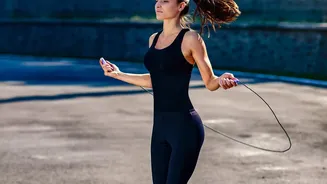
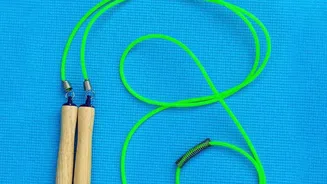
or even a shopping mall. This low barrier to entry is crucial for building a consistent habit. Skipping, while also portable, requires a jump rope, a suitable flat surface, and a degree of coordination that doesn't come naturally to everyone. For a true beginner, the simplicity of putting one foot in front of the other makes walking the clear winner for getting started immediately and with minimal fuss.
The Tale of Two Impacts
One of the most significant differences between walking and skipping lies in their impact on your body. Walking is a low-impact exercise, meaning one foot is always in contact with the ground. This is gentle on your joints—your ankles, knees, and hips—making it a safe option for individuals who are overweight, new to exercise, or have pre-existing joint pain. Skipping, by its very nature, is a high-impact activity. Every jump sends a shock through your joints. While this can be beneficial for bone density, it also carries a higher risk of injuries like shin splints, calf strain, or joint pain, especially if your form isn't perfect or your body isn't conditioned for it. For beginners, safety and sustainability are paramount, and walking's gentle nature is a major asset.
Calorie Burn and Workout Intensity
There's no debate that skipping is a more intense workout. It burns significantly more calories in a shorter amount of time. Some estimates suggest that 10 minutes of skipping can be equivalent to 30 minutes of jogging, and it certainly outpaces a leisurely walk in caloric expenditure. However, this doesn't tell the whole story for a beginner. The key to progress is consistency. While a 10-minute skipping session sounds efficient, it can be incredibly challenging to maintain for someone just starting out. A 30-minute brisk walk is an achievable goal that still provides significant cardiovascular benefits and burns calories without leading to burnout or exhaustion. It's more effective to complete a longer, moderate workout than to struggle through a shorter, high-intensity one.
The Skill and Coordination Factor
Walking is an innate human movement. Barring certain medical conditions, we all know how to do it. Turning it into a fitness activity simply involves focusing on posture and pace. Skipping, on the other hand, is a learned skill. It requires a surprising amount of coordination, rhythm, and timing to swing the rope and jump in sync. Many adults who haven't skipped since childhood find it surprisingly difficult and even frustrating at first. This initial hurdle can be discouraging for someone trying to build positive momentum in their new fitness routine. The effortless nature of walking removes this potential barrier, allowing a beginner to focus on the movement itself rather than mastering a complex new skill.
From Walking Foundation to Skipping Goals
The best way to view these two activities is not as rivals, but as a progression. Walking is the ideal tool for building a solid fitness foundation. It improves cardiovascular health, strengthens muscles and bones, and builds the endurance needed for more demanding exercises. Once you can comfortably walk briskly for 30-45 minutes several times a week, you've built a base. At this point, you can start to introduce skipping as a new challenge. Think of it as graduating to the next level. You can start by incorporating short, 30-second bursts of skipping into your walks, gradually increasing the duration as your coordination and stamina improve. This approach allows your body to adapt safely, minimizing injury risk while maximizing fitness gains.