









The New Frontier: Why Tier 2 Cities?
After years of intense competition in dense metropolitan areas like Mumbai and Bengaluru, quick commerce giants are turning their attention to the next frontier: India's Tier 2 cities. With metro markets reaching saturation, the future growth of this
multi-billion dollar sector hinges on successfully tapping into the vast consumer base in cities like Lucknow, Jaipur, and Nagpur. These markets present a compelling paradox. On one hand, they have rising disposable incomes and a growing aspiration for the convenience urban India enjoys. On the other, they lack the dense, organised retail infrastructure of Tier 1 cities, creating a vacuum that quick commerce is perfectly positioned to fill. This expansion is not just a trend; it's a strategic pivot, with over 60% of all e-commerce shipments now reportedly coming from Tier 2 and 3 cities.
Adapting the Dark Store Model
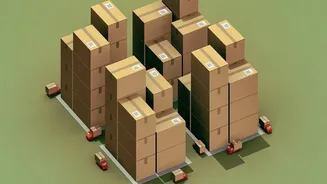
The operational backbone of quick commerce is the 'dark store'—a small, local warehouse designed exclusively for fulfilling online orders. In Tier 2 cities, this model is being adapted to new economic realities. While a dark store in a metro might need around 1,300 orders per day to break even, the threshold in a Tier 2 city can be as low as 800 orders. This is largely due to significantly lower real estate and labour costs, which makes the entire operation more economically viable. Companies are setting up networks of these smaller-format dark stores, typically 2,500 to 5,000 square feet, within a few kilometres of residential clusters to ensure rapid delivery. Players like Blinkit have moved aggressively, establishing a dominant footprint, while others like Zepto are taking a more selective approach, prioritising store-level economics over blanketing every new geography.
Curating Inventory for Local Tastes
The metro playbook of offering five types of avocados and other niche, high-margin products doesn't work in Tier 2 markets. Success here depends on deep localisation. The demand is rigidly focused on low-margin daily staples, household consumables, and value-oriented multi-packs. Smart companies are leveraging data analytics to forecast regional product preferences and optimise their stock-keeping units (SKUs) for each specific market. Instead of a one-size-fits-all approach, inventories are curated to reflect local tastes, festivals, and purchasing habits. While shoppers in big cities might make small, impulse-driven purchases, consumers in smaller towns often use these platforms for larger, planned family buys. This results in higher average order values, helping to offset delivery costs.
Overcoming Last-Mile Hurdles
Delivering an order in 15 minutes is harder in a spread-out city with unpredictable road networks and less-standardised addressing systems. Last-mile delivery accounts for a staggering 40-55% of total logistics costs, making it the single biggest operational challenge. To solve this, companies rely heavily on technology. AI-powered route optimisation software helps riders navigate the most efficient paths, while real-time tracking provides customers with accurate ETAs. Some platforms are also relaxing the aggressive 10-minute promise to a more manageable 20-30 minute window, which is still a massive improvement for these markets. Furthermore, many are partnering with third-party logistics (3PL) providers who already have extensive local networks, allowing them to scale faster without the heavy capital investment of building their own delivery fleet from scratch.
Integrating with the Kirana Ecosystem
The rapid expansion of quick commerce poses a potential threat to India's millions of neighbourhood 'kirana' stores. However, some platforms are opting for collaboration over competition. One emerging strategy involves converting local kiranas into micro-fulfilment partners or pickup points. By providing them with proprietary inventory technology, quick commerce companies can strengthen their hyperlocal delivery network without displacing the small merchants who form the backbone of local commerce. This hybrid model not only mitigates potential regulatory backlash but also leverages the deep community trust and familiarity that these local stores have built over decades. It's a strategy that blends modern logistics with the traditional fabric of Indian retail.