



The Undeniable Pull of CNG
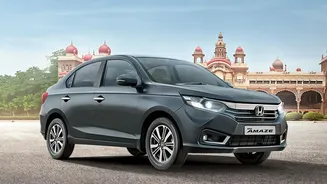
For a large section of Indian car buyers, the single most important factor is the total cost of ownership, and this is where Compressed Natural Gas (CNG) shines. In August 2026, CNG car sales saw a robust 46.1% year-on-year growth, with over 105,000 units
dispatched. The primary driver is simple economics: CNG running costs can be 40-50% lower than petrol per kilometre. For high-mileage users like fleet operators or daily long-distance commuters, the initial premium of about ₹80,000 to ₹1 lakh for a factory-fitted CNG kit is often recovered in less than two years. This economic advantage has pushed CNG's market share in new passenger vehicles to nearly 22%. The government's push for cleaner fuels has also led to a rapid expansion of infrastructure, with the number of CNG stations doubling in recent years to cover over 600 cities, making it a far more convenient option than before.
The Electric Vehicle Tipping Point
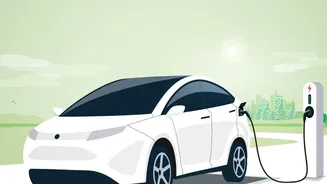
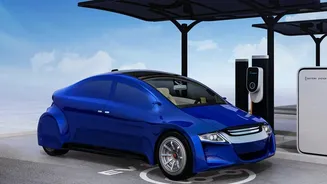
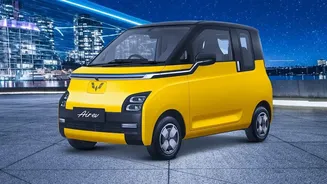
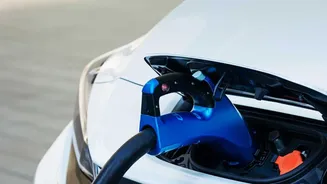
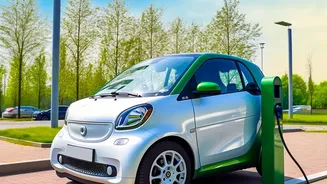
Electric vehicles (EVs) are rapidly moving from a niche interest to a mainstream consideration. In August 2026, electric passenger vehicle sales nearly doubled compared to the previous year, growing by a staggering 84.9%. This growth is no longer solely dependent on subsidies. Buyers are increasingly drawn to the tangible benefits: significantly lower running and maintenance costs, a silent and smooth driving experience, and improving charging infrastructure in urban centres. The EV market penetration for passenger vehicles crossed 7% in 2026, a key milestone indicating wider acceptance. Brands like Tata Motors continue to lead the charge, but competition is heating up with Mahindra and other players expanding their portfolios. While range anxiety and upfront cost remain considerations, a growing number of urban buyers now see EVs as a practical and technologically superior choice for their daily needs.
The Unwavering Allure of the SUV
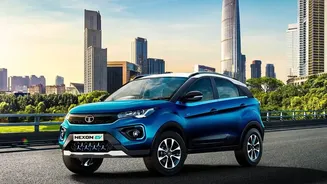
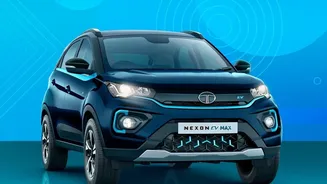
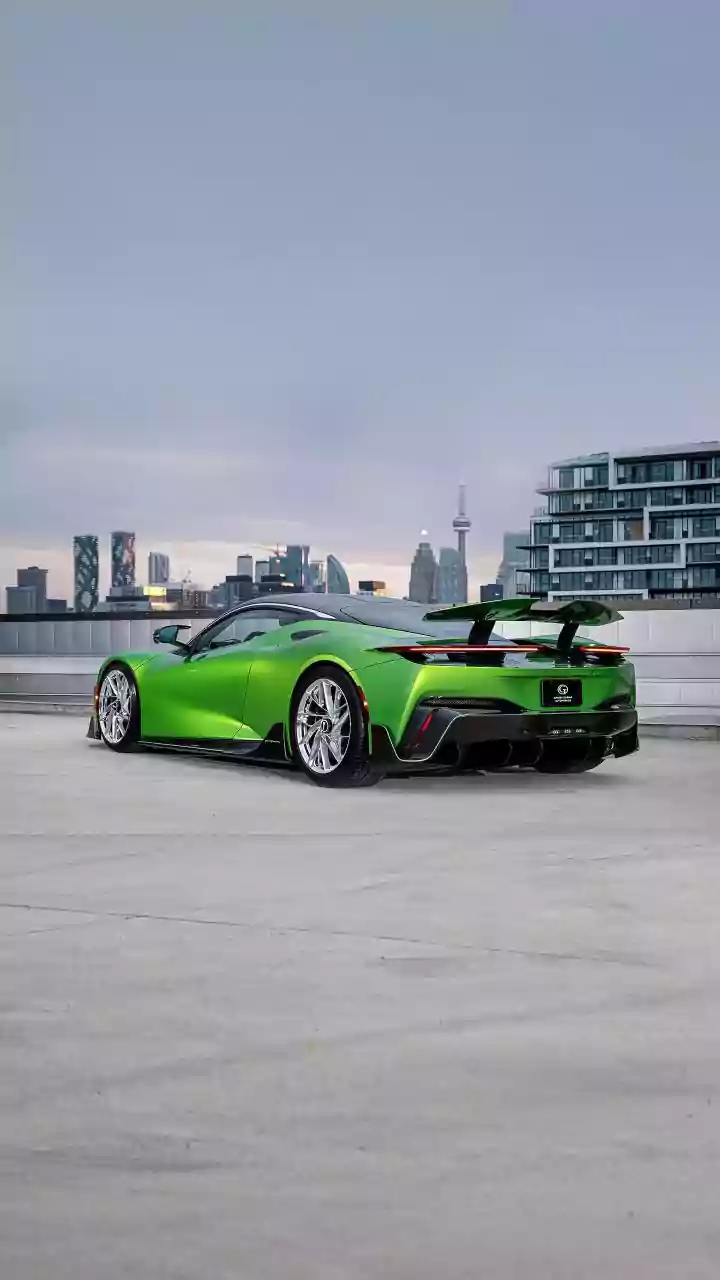
While practicality and running costs drive the CNG and EV boom, the SUV segment is fuelled by a different set of desires: aspiration, status, and road presence. SUVs consistently dominate sales charts, with models like the Tata Nexon and Hyundai Creta being perennial best-sellers. For many Indian families, an SUV is a significant upgrade, symbolising success and upward mobility. Beyond the image, they offer practical advantages perfectly suited to Indian conditions, such as higher ground clearance for navigating poorly maintained roads and water-logged streets. The commanding driving position and spacious interiors add to their appeal for family trips. The market is flooded with options, from compact SUVs that offer the high-riding stance at an affordable price to large, feature-packed models. This sheer variety ensures there is an SUV for almost every budget, cementing their popularity across diverse buyer segments. Even in the used car market, SUVs like the Creta and Nexon hold strong demand.
Two Roads, One Diverse Market
So, how can these trends coexist? The answer is that India is not a single, uniform car market. It is a complex ecosystem of different consumer needs and priorities. The rise of CNG and EVs is a direct response from a value-conscious segment of the population grappling with volatile petrol prices and seeking lower running expenses. Their purchase decision is overwhelmingly logical and economic. In contrast, the SUV buyer is often making a more emotional and lifestyle-driven choice. For them, factors like design, features, space, and the feeling of safety and prestige often outweigh pure running-cost calculations. August 2026 data shows that for the first time, the combined retail sales share of alternative fuels (CNG, EV, Hybrid) at 41.95% narrowly surpassed that of petrol cars (40.85%). This doesn't mean the end for petrol cars or SUVs, but it confirms that the market is fragmenting into distinct segments, each with its own preferred solution.