






For Weight Loss: A Blend of Cardio and Strength
If your primary goal is to lose weight, a combination of cardiovascular exercise and strength training is widely considered the most effective approach. [8] Cardio, especially High-Intensity Interval Training (HIIT), is a powerful tool for burning a high
number of calories in a short amount of time. [4, 17] HIIT involves short bursts of all-out effort followed by brief recovery periods, which can also elevate your metabolism for hours after the workout is over. [17] Steady-state cardio, like jogging or cycling at a consistent pace, is also beneficial for creating a calorie deficit and improving heart health. [20, 7] However, cardio alone isn't the whole story. Incorporating strength training is crucial for long-term success. Building lean muscle boosts your resting metabolic rate, meaning your body burns more calories even when you're not exercising. [7, 15] This makes strength training essential for sustained fat loss and preventing weight regain. [7, 8]
For Muscle Gain: The Power of Progressive Overload
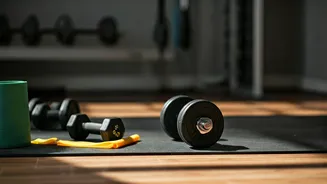
To build muscle and increase strength, the key principle is progressive overload. [26] This means gradually increasing the demand on your muscles over time, forcing them to adapt and grow stronger. [26, 27] This is most effectively achieved through resistance training, which includes lifting weights (barbells, dumbbells), using resistance bands, or performing bodyweight exercises. [18] For beginners, mastering the correct form is the first and most important step to prevent injury. [29] From there, you can apply progressive overload in several ways: increasing the weight you lift, adding more repetitions or sets, or reducing rest times between sets. [26, 27] Compound exercises like squats, deadlifts, and bench presses are particularly effective because they engage multiple muscle groups at once. [29] While it's a myth that strength training will make women "bulky" due to lower testosterone levels, it will help create a more toned and defined physique. [5]
For Endurance: Building Your Aerobic Capacity
Improving cardiovascular endurance means enabling your heart and lungs to supply oxygen to your muscles more efficiently, allowing you to sustain activity for longer. [3] The best way to achieve this is through consistent aerobic exercise. [6, 22] Activities like running, swimming, cycling, and brisk walking are all excellent choices. [19, 24] To see improvements, you should aim for at least 150 minutes of moderate-intensity aerobic activity per week. [22] If you're new to exercise, you can start with as little as 10-15 minutes a day and gradually increase the duration and intensity. [1, 6] Interval training, where you alternate between periods of higher and lower intensity, can also be highly effective for boosting endurance in a shorter amount of time. [1, 3] The key is consistency and gradually pushing your limits to challenge your cardiovascular system. [23]
For Flexibility and Mobility: The Foundation of Movement
Flexibility (a muscle's ability to lengthen) and mobility (a joint's ability to move through its full range of motion) are often overlooked but are crucial for overall fitness, injury prevention, and quality of life. [11, 9] Good flexibility and mobility can reduce the risk of injury, alleviate muscle stiffness, improve posture, and enhance athletic performance. [11, 21] Incorporating activities like yoga, Pilates, and dedicated stretching into your weekly routine can lead to significant improvements. [22, 25] Dynamic stretching is excellent as part of a warm-up to prepare your body for a workout, while static stretching (holding a stretch for a period) is best done after a workout to aid recovery. [25, 21] Even simple daily movements can help maintain mobility as you age, reducing joint pain and the risk of falls. [10, 12]