






Why One Spot Is Never Enough
For a cat, a home is a territory to be surveyed and controlled. In the wild, their ancestors sought out secure, sheltered locations to rest without feeling vulnerable. This instinct remains powerful in domestic cats, especially those living indoors. A
single resting spot, no matter how comfortable, can feel limiting. According to feline behavior experts, providing multiple safe spaces is one of the five pillars of a healthy feline environment. Having options allows a cat to retreat from perceived threats—like a loud noise, a visitor, or even another pet—and reduces chronic stress that can lead to behavioral issues like aggression or improper urination. Multiple spots give them a sense of control, allowing them to choose a location based on the time of day, ambient temperature, or their desire for either solitude or quiet observation.
The Anatomy of a 'Safe' Space
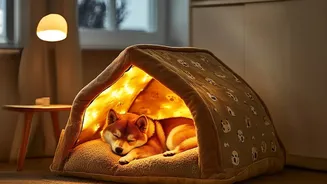
What makes a resting spot feel safe to a cat isn't always what a human might expect. It’s less about plush fabric and more about strategic location. Cats instinctively gravitate towards high places because elevation provides a sense of security and a clear vantage point to monitor their surroundings. A high perch is a safe zone where they can observe their domain without direct confrontation. Enclosed or semi-enclosed spaces are also highly valued, as they offer protection from multiple sides. This is why cardboard boxes, cat caves, and even carriers left open can become favorite napping spots. A good safe space is often just big enough for the cat alone, located in a low-traffic area, and offers an escape route with at least two exits if they feel cornered.
Unlocking Your Apartment's Potential
Living in a smaller apartment doesn't mean you can't provide this crucial environmental enrichment. The key is to think vertically. Since floor space is limited, utilizing your walls is the most powerful upgrade you can make. Wall-mounted shelves, climbing steps, and bridges turn an empty wall into a feline superhighway, giving your cat the elevation it craves without taking up room. A sturdy cat tree with multiple levels and hiding spots serves a similar purpose, encouraging climbing and providing both high perches and secluded nooks. Window perches or hammocks are another fantastic option, as they offer mental stimulation by providing a front-row seat to the outside world, which can prevent boredom. Even simple solutions can make a big impact. A soft blanket on top of a stable cabinet, a designated open cardboard box in a quiet corner, or a cozy bed partially tucked under a sofa can all function as valuable safe zones.
Observe and Enhance
Your cat is the ultimate expert on its own needs. Pay attention to where your cat already chooses to rest. Is there a sunny spot they gravitate to in the morning? A quiet corner they retreat to in the afternoon? Instead of trying to redirect them to a spot of your choosing, enhance the areas they’ve already selected. If they love looking out a specific window, add a comfortable perch there. If they hide under your desk, place a soft bed or a small box in that space to make it an official sanctuary. Remember to respect their choices. The goal is to provide options that let them feel in control of their environment. Periodically moving these resting spots or introducing new ones, like a fresh cardboard box, can also mimic a changing environment and encourage your cat to explore.