




The Current Crush: A System Under Strain
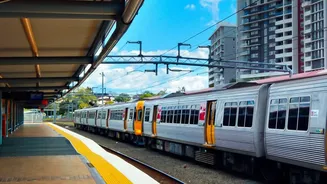
Mumbai's suburban railway is the lifeline of the city, carrying a staggering number of passengers daily. On a typical day, the Central and Western Railway lines together ferry over 90 lakh commuters. The term 'super dense crush load', where 14 to 16 people
are crammed into a single square metre, was coined to describe the peak-hour conditions on these trains. This immense pressure on the network leads not only to extreme discomfort but also to frequent delays and significant safety concerns. While projects under the Mumbai Urban Transport Project (MUTP) aim to add new lines and air-conditioned rakes, a fundamental constraint remains: the tracks are not just for people. They are also a critical artery for the nation's goods, a fact that directly impacts every local train commuter.
The Invisible Disruptor: Freight on Passenger Lines
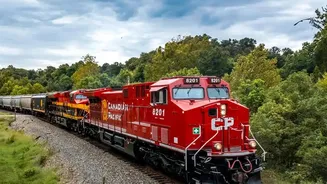
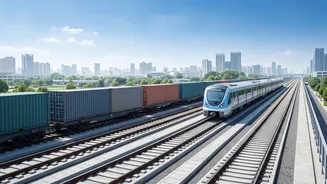
Few commuters see the freight trains, but everyone feels their effect. Currently, long-distance passenger trains and goods-carrying freight trains share the same tracks as suburban local services. In this mixed-traffic system, passenger trains are given priority, forcing freight trains to wait on sidings or in loops. This creates a ripple effect of delays across the network. A single freight train can slow down a dozen local services behind it. The mix also limits the potential speed and frequency of all trains. With every type of train competing for the same limited track space, the entire system becomes less efficient, less reliable, and perpetually congested, preventing the addition of new suburban services that are desperately needed.
The Solution: A Dedicated Path for Goods
The long-term solution to this problem is segregation. This means creating separate, dedicated railway lines exclusively for freight traffic. The most significant of these projects for Mumbai is the Western Dedicated Freight Corridor (WDFC), a 1,506-km-long route connecting Dadri in Uttar Pradesh to the Jawaharlal Nehru Port (JNPT) in Navi Mumbai. This corridor, which was recently completed, is designed to handle heavy, double-stack container trains running at higher speeds. By shifting goods trains off the main lines, the WDFC effectively creates a new highway for freight, leaving the existing tracks free for what Mumbai needs most: more passenger trains.
More Trains, Better Timings
The single biggest benefit for commuters from separating freight traffic is a massive increase in capacity. With goods trains diverted to the WDFC, railway authorities can free up crucial slots in the daily schedule. This allows for the introduction of hundreds of additional suburban services, directly addressing overcrowding. It makes the timetable more reliable, as local trains will no longer be held up by slower-moving freight traffic. This enhanced punctuality means less time spent waiting on platforms and a more predictable daily journey. The segregation allows the system to operate closer to its true potential, running more trains more often and easing the 'super dense crush load' that defines the Mumbai commute.
A Safer and Modernised Future
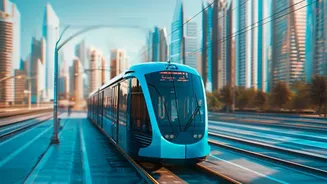
Beyond just adding more services, separating freight and passenger traffic is a foundational step toward modernising the entire suburban network. It improves safety by reducing the complexity of operations and minimizing the chances of accidents on heavily congested mixed-use tracks. It also paves the way for increasing the speed of suburban trains, as the tracks will be clear of slower freight locomotives. This operational freedom is critical for implementing advanced signalling systems like Kavach, which can further reduce the time between trains and enhance safety. By removing the bottleneck of freight, Indian Railways can focus on upgrading the passenger experience with new AC rakes and improved station infrastructure, transforming the daily commute for millions.