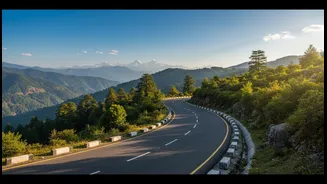









Why Smart Planning is Non-Negotiable
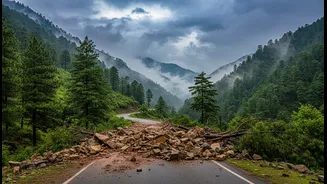
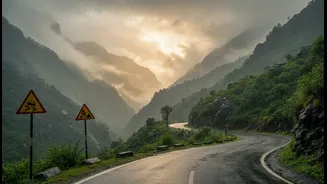
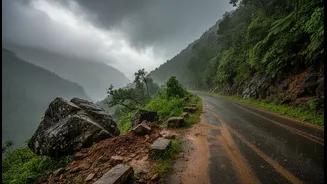
The allure of Himachal lies in its dramatic landscapes, but this geography also presents challenges. The state is prone to landslides, flash floods, and sudden road blockages, particularly during the monsoon season which typically runs from July to September.
Recent years have seen an increase in weather-related disruptions that can strand tourists and disrupt travel plans for hours or even days. Key highways like NH-5 (Shimla-Kinnaur) and the Mandi-Kullu stretch can be particularly vulnerable to rockfalls and floods. Therefore, planning is not about limiting your adventure; it's about ensuring your journey is smooth, safe, and free from avoidable stress, allowing you to focus on the stunning scenery.
Before You Go: Your Pre-Travel Checklist
A safe trip begins before you even leave home. Start by monitoring the weather forecast from reliable sources like the India Meteorological Department (IMD). Avoid travelling during periods when an orange or red alert has been issued for your destination districts. It is also wise to book accommodations that offer flexible cancellation policies. The official Himachal Tourism website and social media handles of district police are valuable resources for advisories and travel updates. Planning for a buffer day or two in your itinerary can make a huge difference if you encounter unexpected delays.
Choosing Your Route Wisely
Not all roads in Himachal are created equal, especially when it rains. Some routes are notoriously fragile. The Mandi-Pandoh-Kullu road, for instance, runs alongside the Beas River and is highly susceptible to floods and erosion. The road to Spiti Valley via Manali involves crossing high-altitude streams that can swell dangerously. For a safer journey to areas like Dharamshala, sticking to lower-altitude highways can be a better option during peak monsoon. If you are driving, ensure your vehicle's tyres, brakes, and wipers are in excellent condition. Always start your mountain drives early in the morning and avoid driving at night when visibility is poor and risks are higher.
Technology and Local Intel: Your On-Road Guides
In the digital age, several tools can help you navigate more safely. While Google Maps is a good start, it's crucial to use it alongside community-driven platforms like 'Himachal Road Status', which provide real-time, user-generated updates on blockages and conditions. The government has also developed several apps, such as 'Himachal Tour Guide', and district-specific apps like 'Chalo Chamba', which can be useful. However, technology has its limits in remote areas with poor connectivity. This is where the oldest travel trick comes in handy: talk to the locals. Your hotel staff, taxi drivers, and shopkeepers possess invaluable, up-to-the-minute information about local road conditions that no app can match.
Essential Contacts and Your Emergency Kit
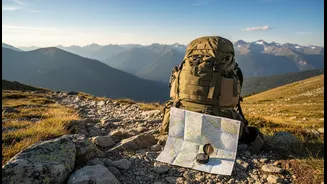
Hope for the best but prepare for the worst. Being stranded for a few hours is a real possibility. Your vehicle should have a basic emergency kit containing a first-aid kit, essential medications, a torch, a power bank, and some non-perishable snacks and water. Save important helpline numbers on your phone before you lose network coverage. Key numbers include the single emergency number (112), Police (100), Ambulance (108), and the Disaster Management Control Room (1077 or 1070). Having these numbers readily available can be crucial in an emergency.