




Reading the Signs of New Growth
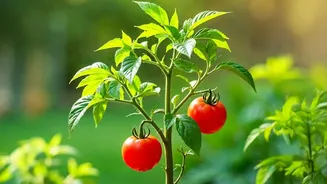
After a good trim, your plants will start directing their energy towards recovery and new growth. The first step is to become a keen observer. Look for signs of life at the nodes just below your cuts. Healthy new growth often appears as small, vibrant
green or reddish shoots. These fresh buds are a clear signal that the plant has responded well to the pruning. On the other hand, be watchful for signs of stress, such as wilting, yellowing leaves, or stunted growth. Some plants, like roses, may push out fresh buds quickly, while others take longer. The key is to notice the colour and vigour of the new shoots. If you see weak, spindly stems or no activity after a couple of weeks, the plant might be struggling with stress from the prune or another underlying issue.
Watering with Purpose
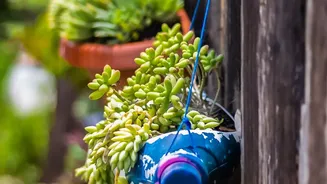
Pruning can temporarily reduce a plant's ability to absorb water, especially if a lot of foliage has been removed. It’s tempting to overcompensate, but resist the urge to drown your plants. Immediately after pruning, a deep watering can help the plant manage the initial shock. Following that, your approach should be one of careful monitoring. Instead of a fixed schedule, check the soil regularly. A good rule of thumb for pots is to push a finger about two centimetres into the soil; if it feels dry at that depth, it’s time to water. During rainy spells, it's especially important to ensure pots have clear drainage holes to prevent waterlogging, which can lead to root rot. Remember, the goal is consistent moisture, not constant saturation.
The Question of Fertiliser
While pruning is designed to stimulate growth, it's wise to hold off on immediate fertilisation. The plant needs a few weeks to heal its wounds and begin its natural recovery process. Applying fertiliser too early can force weak, rapid growth that the plant cannot sustain. Experts generally advise waiting a few weeks after pruning before feeding. When you do fertilise, consider the time of year. August is often the last call for feeding many hardy shrubs and plants, as you don't want to encourage tender new growth that could be damaged by cooler weather later in the season. If a plant looks healthy, it may not need extra feeding at all. If you do feed, a balanced, all-purpose fertiliser is often sufficient to provide the nutrients needed for the final flush of the season.
Vigilance Against Pests and Disease
Every pruning cut creates an open wound, making the plant temporarily more vulnerable to pests and diseases. This is why using clean, sharp tools is so important, as it creates a smoother cut that heals faster. In the weeks following your August trim, make it a habit to inspect your plants closely. Look under leaves and around new shoots for common culprits like mealybugs and aphids. Improved air circulation from thinning out dense branches is one of the best preventative measures against fungal issues, which can be common in humid weather. If you spot any diseased or dead wood that you missed, it's best to prune it out immediately, regardless of the season.