
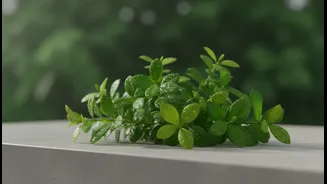



Snake Plant: The Unkillable Classic
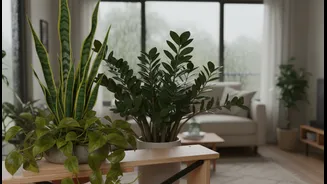
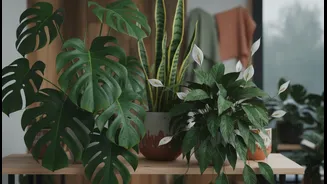
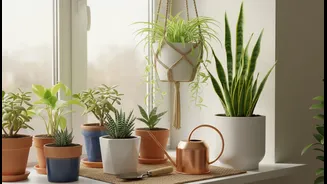
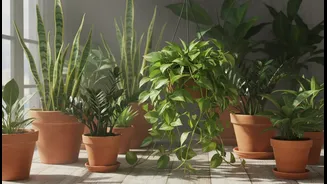
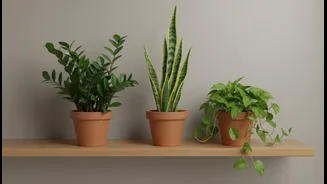
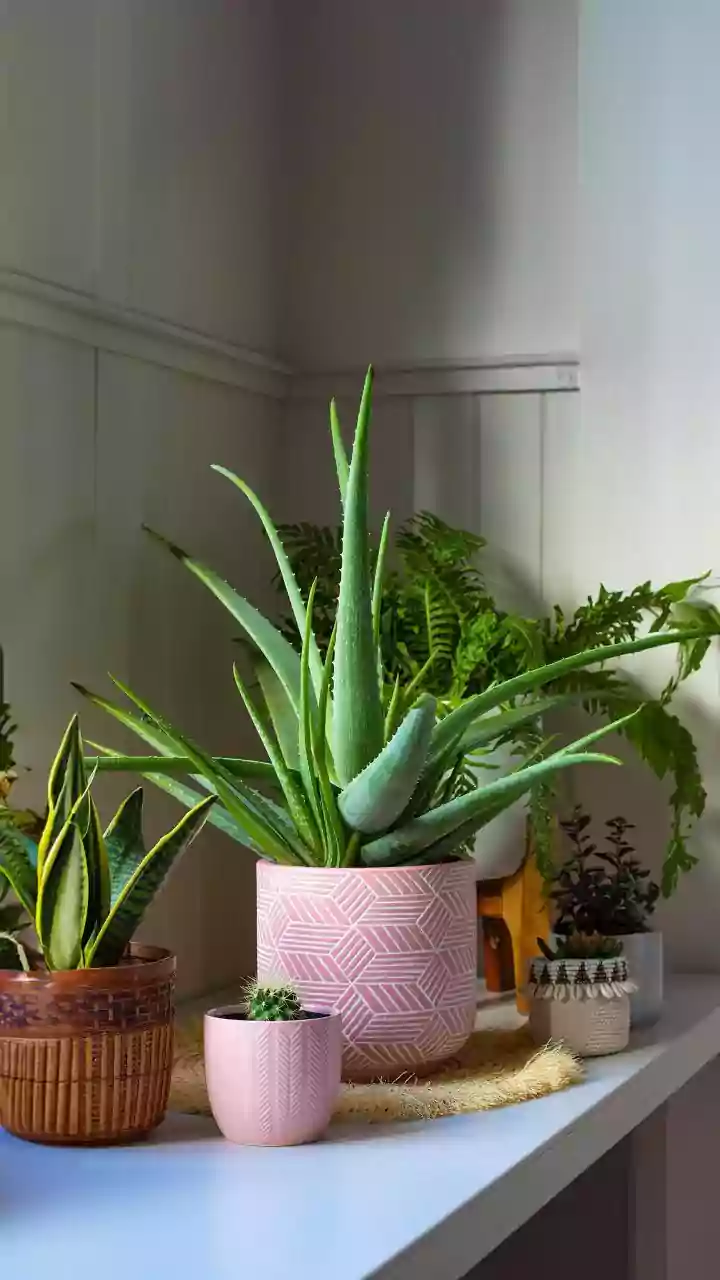
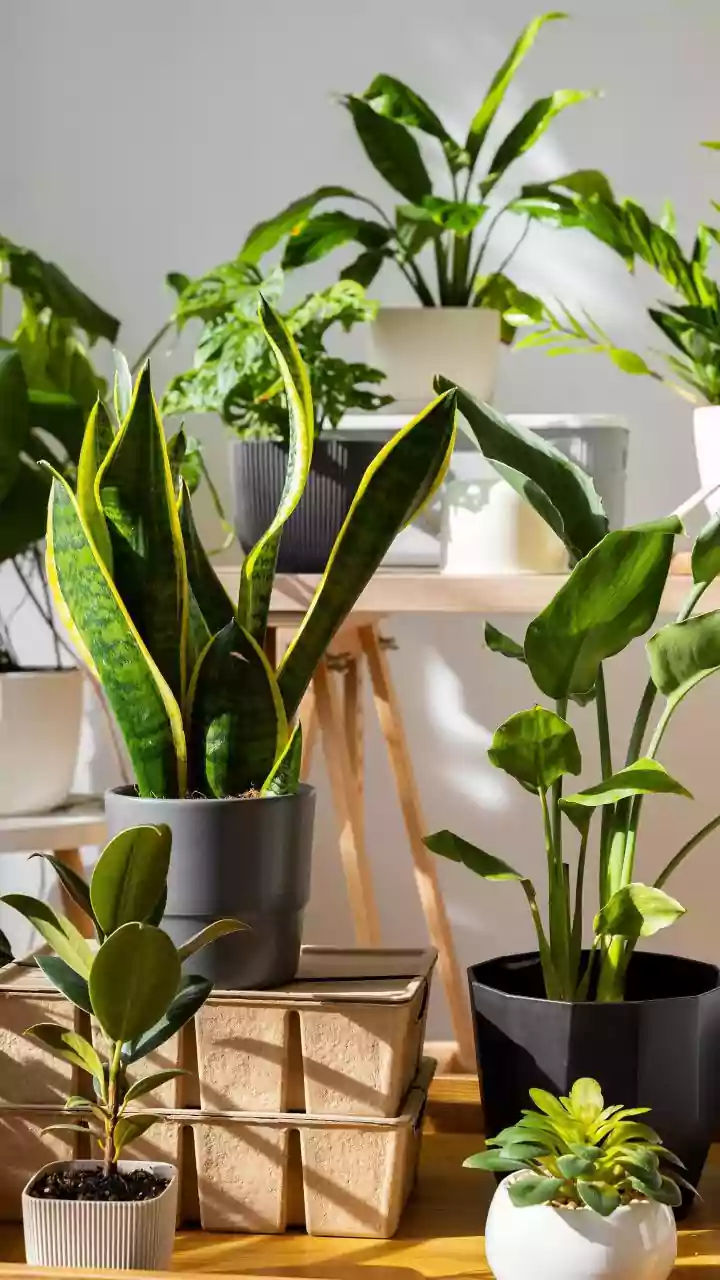
Famous for being nearly indestructible, the Snake Plant (Dracaena trifasciata) is an excellent choice for the monsoon season. Its tall, sculptural leaves store water, making it highly tolerant of the increased moisture in the air. During the rainy months,
you should water it less, as the humid conditions mean the soil stays moist for longer. The biggest risk is root rot from overwatering, so ensure your pot has excellent drainage. This plant is also not demanding about light, happily surviving in shadier corners of your home, which is perfect for overcast monsoon days. Besides its resilience, it's a fantastic air purifier, filtering toxins from the air, which is a great benefit when windows are often closed.
ZZ Plant: The Glossy Gem
The Zamioculcas zamiifolia, or ZZ Plant, is another champion of low-maintenance indoor gardening. Its wide, glossy, dark green leaves add a touch of modern elegance to any space. The ZZ plant has underground rhizomes that store water, making it incredibly drought-tolerant and resilient to neglect. During the monsoon, this means you need to be extra careful not to overwater it. Allow the soil to dry out completely between waterings. It thrives in low to medium indirect light, making it perfectly suited for the reduced sunlight during the rainy season. While it handles high humidity well, good air circulation is beneficial to prevent any fungal issues.
Money Plant: The Prolific Climber
A staple in many Indian homes, the Money Plant (Epipremnum aureum), or Pothos, truly comes alive during the monsoon. The high humidity encourages it to grow faster, sending out its beautiful heart-shaped leaves on long, trailing vines. It's incredibly versatile and can be grown in both soil and water jars. One of its best features is its adaptability to various light conditions, though it prefers bright, indirect light. During the monsoon, you'll need to reduce watering frequency, as the soil will retain moisture for longer. This fast-growing vine is perfect for hanging baskets or for draping over shelves and windows, adding a touch of cascading greenery to your home.
Peace Lily: The Elegant Bloomer
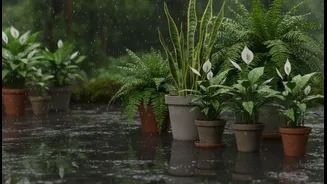
The Peace Lily (Spathiphyllum) is beloved for its graceful white blooms and deep green leaves. It naturally thrives in the high humidity that the monsoon brings. These conditions can even encourage the plant to produce its signature flowers. Peace Lilies prefer bright, indirect light but are well-known for their ability to tolerate lower light levels, a significant advantage during cloudy monsoon days. The main challenge during this season is managing water. It’s crucial to avoid waterlogged soil, so always check if the top inch of soil is dry before watering again. Providing good drainage is key to preventing root rot.
Areca Palm: The Tropical Purifier
For those looking to add a tropical feel to their home, the Areca Palm (Dypsis lutescens) is an excellent choice. It loves the humid environment of the monsoon season, which helps keep its feathery fronds lush and green. While it appreciates humidity, ensure there's good air circulation to prevent fungal growth. This plant prefers bright, indirect sunlight, so a spot near a window with filtered light is ideal. Like other plants on this list, you'll need to adjust your watering schedule. Water less frequently, perhaps every 7-10 days, or when the top layer of soil feels dry. Proper drainage is crucial to prevent waterlogging and keep the roots healthy.
Aglaonema: The Colourful Evergreen
Also known as the Chinese Evergreen, Aglaonema is prized for its stunning, often colourful, foliage. Varieties with shades of red, pink, and silver can brighten up any room, especially on a dreary rainy day. These plants are exceptionally tolerant of low-light conditions, making them a perfect fit for monsoon gardening. They enjoy the higher humidity but are susceptible to root rot if overwatered. The rule of thumb is to let the top two inches of soil dry out before watering again. Wiping the leaves with a damp cloth not only keeps them looking glossy but also helps the plant breathe, contributing to a healthier indoor environment.