



Start with Official Weather Alerts
Your first and most important step is to consult the India Meteorological Department (IMD). The IMD is the official source for weather forecasting and issues colour-coded alerts (green, yellow, orange, and red) for districts across the country. A red alert signifies
a high probability of extremely heavy rainfall and risk to life, while orange indicates a need to be prepared for severe weather. These alerts, available on the IMD's 'Mausam' app and website, provide detailed forecasts and warnings, often up to five days in advance. As of late August 2026, the IMD has issued warnings for heavy rainfall across several states, including Odisha, Chhattisgarh, Uttarakhand, Himachal Pradesh, and parts of the Northeast, recommending that tourism activities be regulated in these zones.
Research Your Destination’s Vulnerability
Not all regions are affected equally by the monsoon. Some areas are geographically more susceptible to disasters. Hill stations in the Himalayas, such as those in Uttarakhand and Himachal Pradesh, are frequently prone to landslides and flash floods, which can block major highways for days. Similarly, low-lying coastal areas and river plains in states like Kerala, Assam, and Bihar face significant risks of flooding. Before booking, do a quick search for recent news about your destination. Terms like "[destination name] landslides 2026" or "[destination name] flooding August 2026" can reveal on-the-ground realities that official forecasts might not capture in full detail. For instance, severe monsoon showers in August 2026 have already caused major disruptions and waterlogging in cities like Gurugram and Varanasi.
Check Real-Time Road and Rail Conditions
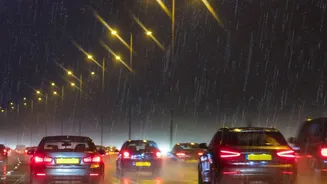
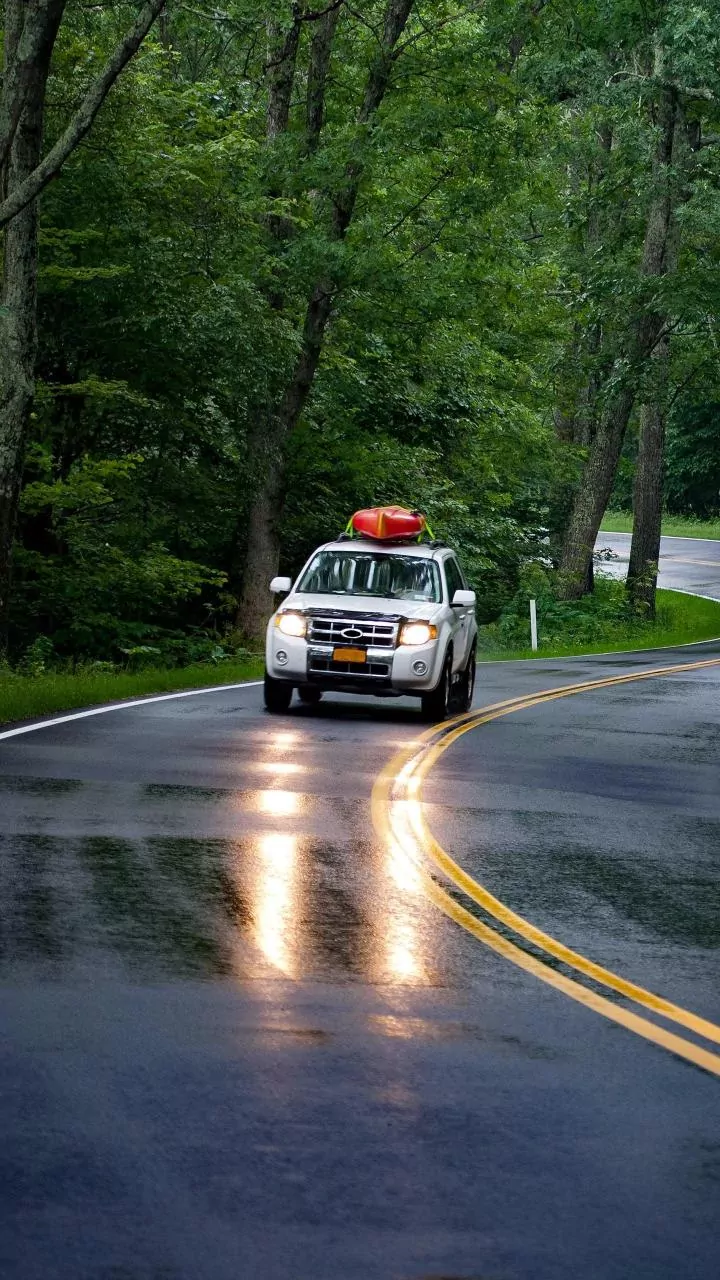
A weather-safe destination is useless if you can't get there. Heavy rains frequently disrupt transport infrastructure. Before you leave, check for road closures, landslides, and waterlogging advisories. Many state transport and police departments post real-time updates on social media. National highway authorities often have helplines and websites with information on major routes. Train services can also be delayed or cancelled due to inundated tracks or bridge damage. It’s wise to build buffer days into your itinerary, especially if traveling to mountain regions, to account for potential delays. Driving during heavy downpours is hazardous due to reduced visibility and slick roads, and it only takes a foot of rushing water to carry away a car.
Contact Your Hotel and Local Operators
Local businesses are your eyes on the ground. Once you have a destination in mind, call your hotel or resort directly. Ask them about the current weather situation, road accessibility, and if any local tourist spots are closed. They can provide a realistic picture of how the monsoon is impacting the area. If you've booked tours or activities, confirm with the operators that it's safe to proceed. They have a vested interest in your safety and will be aware of local risks that may not make national news. This simple step can help you avoid arriving at a destination only to find yourself stranded or unable to do what you planned.
Pack a Monsoon-Ready Kit
Being prepared for the conditions can make a significant difference. Even if your destination seems safe, intermittent heavy showers are always possible. Your packing list should include a reliable waterproof jacket or poncho, quick-dry clothing made from synthetic fabrics, and sturdy footwear with good grip. A waterproof dry bag is essential for protecting electronics like your phone and power bank. Also, carry a basic first-aid kit with antiseptic, bandages, anti-fungal powder for skin issues caused by humidity, and mosquito repellent, as stagnant water is a breeding ground for insects. Having a torch or headlamp is useful in case of power cuts.