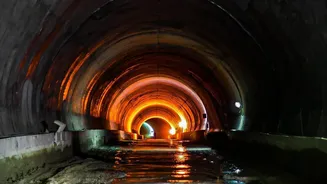



The Problem Below Our Feet
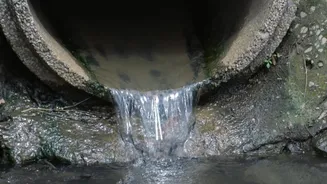
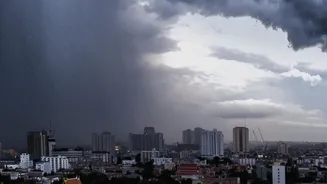
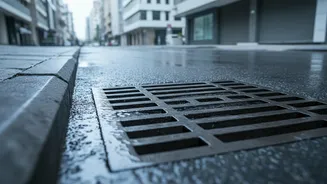
Every year, the monsoon exposes the vulnerability of our urban drainage systems. Traditionally, managing these vast, underground networks is a manual and reactive process. Municipal workers often rely on scheduled cleanings and public complaints to locate
blockages. By the time a choked drain is identified during a downpour, it's already too late. The result is widespread waterlogging, property damage, traffic disruption, and the risk of waterborne diseases. This approach is like waiting for a fire to start before looking for a water source; it’s an outdated model for cities facing increasingly erratic and intense rainfall due to climate change.
Introducing Smart Drainage Monitors
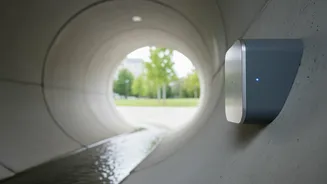
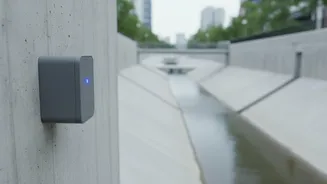
Imagine a network of small, intelligent watch guards placed inside our city's drainage system. This is essentially what Internet of Things (IoT) drainage monitors are. These are rugged, waterproof sensors designed to operate in harsh underground environments. They continuously track key metrics in real-time: water levels, flow rates, and even silt accumulation. Some advanced systems use non-contact radar sensors, which makes them safer to maintain and less prone to damage from debris. This data, collected 24/7, is the foundation of a smarter, more resilient city.
From Reactive to Predictive
The true power of these IoT monitors lies in their ability to facilitate a massive strategic shift from reactive to predictive flood management. Instead of waiting for a street to flood, civic authorities receive automated alerts on a digital dashboard. An alert might flag that a specific drain is 75% blocked by silt or that water levels in a key artery are rising unusually fast. This allows maintenance crews to be dispatched to the exact location before the flood occurs, armed with precise information. It turns a city-wide guessing game into a targeted, efficient operation.
A City-Wide Health Report
When data from hundreds or thousands of these sensors is combined, it creates a real-time 'health map' of the entire drainage network. Planners and engineers can view a dashboard with color-coded indicators showing which parts of the system are flowing freely (green), which are under stress (yellow), and which are at critical risk of overflowing (red). This city-wide view enables officials to make informed decisions during extreme weather events, such as where to deploy emergency pumps or which areas might need to be evacuated. Over the long term, this data is invaluable for urban planning, helping to identify recurring problem areas and design better, more resilient infrastructure.
Early Signs of Change in India
This technology is not just theoretical; it is being tested and deployed in Indian cities. As part of the Smart Cities Mission, various municipalities are exploring these solutions. For instance, projects in Bengaluru have used IoT sensors to monitor drains in low-lying areas, while Delhi's new drainage masterplan incorporates smart monitoring. A detailed project report for Kolkata and Howrah proposed a system of IoT sensors and automated gates, estimating it could reduce waterlogging duration by up to 80%. While still in early stages, these initiatives show a growing recognition that technology is a key part of the solution to our urban flood crisis.
The Roadblocks to a Smarter Future
Despite the clear benefits, widespread adoption of IoT in India faces hurdles. The high initial cost of implementation can be a barrier for cash-strapped municipalities. Ensuring reliable internet connectivity, especially for sensors in remote or underground locations, is a major challenge. There are also concerns about data security, the potential for vandalism, and the need for a skilled workforce to analyse the data and maintain the systems. Overcoming these challenges requires not just financial investment but also robust policies, standardised technology, and training programs.