



A Hunger for Authenticity and Story
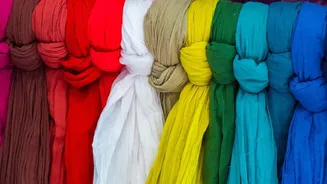
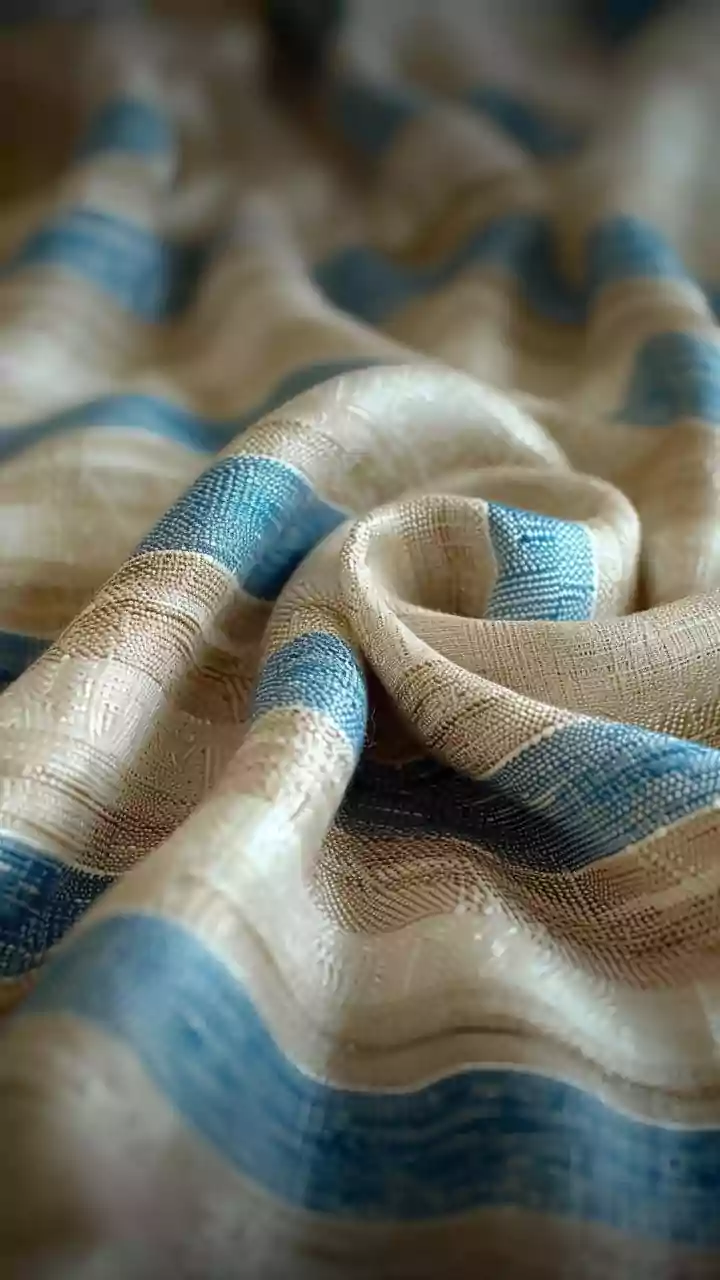
In a market saturated with mass-produced goods, consumers, particularly Gen Z, are searching for something more. They crave products with a soul, a story, and a tangible human touch. Artisan textiles, from the hand-spun and hand-woven nature of Khadi
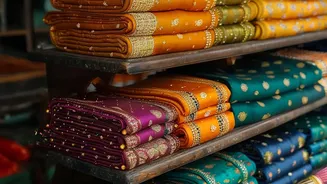
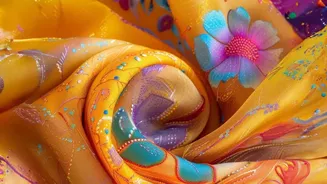
to the intricate patterns of Ikat, offer just that. Each piece carries a unique narrative of its region, its craftspeople, and its history. This shift redefines luxury; status is no longer just about a brand name but about the craftsmanship and cultural weight of the garment. For a generation that uses fashion as a primary form of self-expression, wearing a piece of handcrafted textile becomes a personal statement. It’s a move away from simply owning a brand to investing in a piece of wearable art.
The Sustainability Statement
The conversation around fashion is increasingly dominated by sustainability. Consumers are more aware than ever of the environmental impact of fast fashion, from water consumption to textile waste. Artisan textiles align perfectly with this growing consciousness. Handloom production, like that of Khadi, uses minimal electricity and supports local economies. Traditional techniques often utilize natural dyes and organic fibers, offering a biodegradable alternative to synthetics. By incorporating these fabrics, streetwear brands are not just making a style choice; they are making a value statement. They are catering to a conscious consumer who wants their clothes to reflect their commitment to the planet and to ethical production.
Redefining Desi Cool for a New Generation
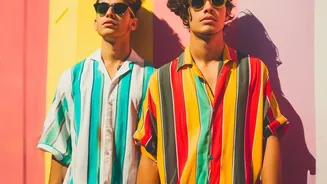
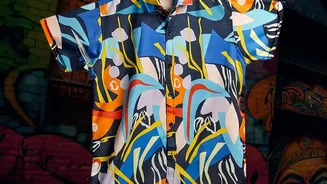
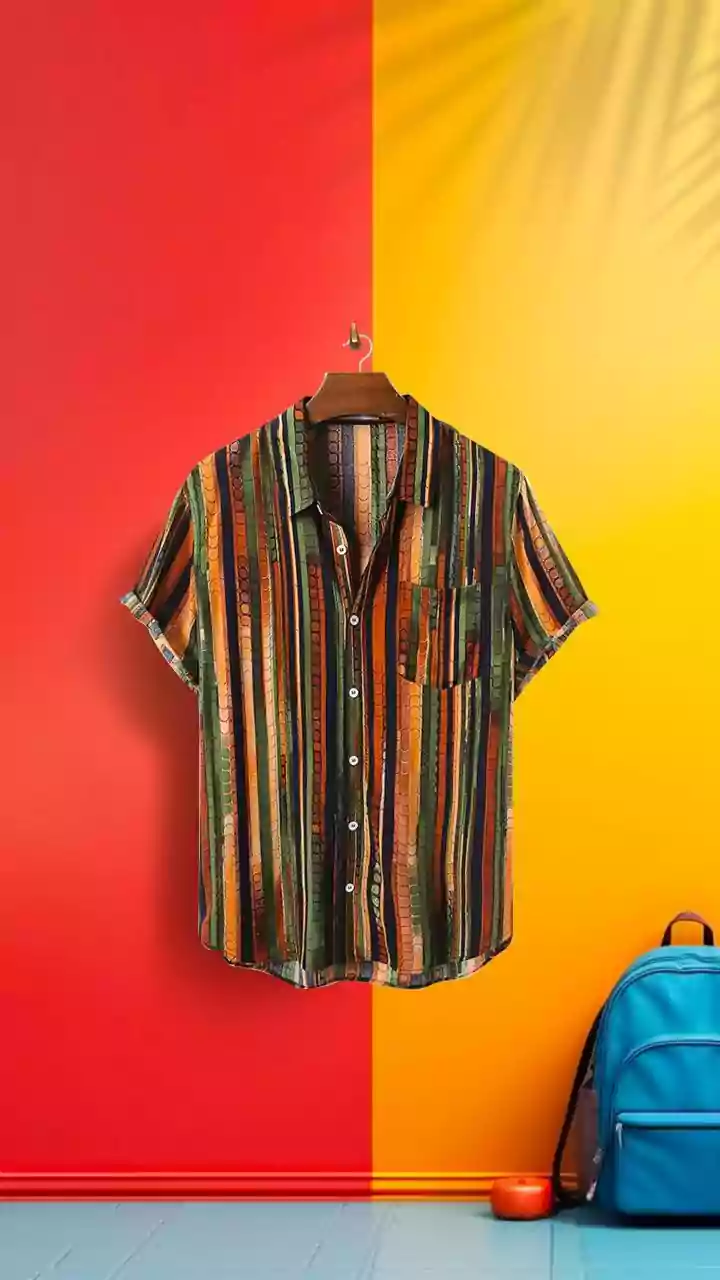
For young Indians, there's a growing sense of cultural confidence. Wearing ethnic fabrics is no longer an obligation for formal occasions but a proud, deliberate style choice. Streetwear labels are tapping into this by recontextualizing traditional crafts for a modern, urban audience. Think of a classic oversized hoodie featuring a bold Kalamkari print panel, or joggers with Ikat-patterned stripes. This fusion allows young consumers to connect with their heritage on their own terms, blending Indian craftsmanship with global silhouettes. It's about creating a unique 'Desi streetwear' identity that feels both globally relevant and deeply rooted in Indian culture. Brands are finding that the same print on a conventional silhouette feels traditional, but on a modern streetwear cut, it feels like a conscious choice.
The Power of Collaboration and Empowerment
This trend is also fostering a powerful synergy between designers and artisan communities. By collaborating directly with weavers, block printers, and embroiderers, fashion labels are helping to preserve heritage skills that were at risk of being lost. These partnerships provide artisans with fair wages, market access, and a platform for their skills, creating a more equitable fashion ecosystem. For streetwear brands, these collaborations offer a way to innovate and create truly unique products that can't be easily replicated. In a crowded market, this exclusivity is a major draw, creating buzz and connecting with consumers who value the story behind the product. Some brands are even integrating QR codes that tell the buyer about the artisan and the fabric's history, making the connection explicit.