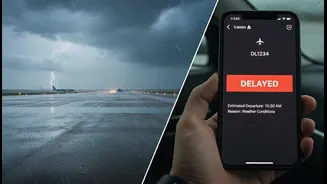









Why The Advisories? Blame the Monsoon
Multiple airlines, including IndiGo, Air India, and SpiceJet, have issued travel advisories for Delhi's Indira Gandhi International (IGI) Airport. The primary cause is the heavy monsoon rainfall and adverse weather conditions that have hit the national capital.
The India Meteorological Department (IMD) has issued alerts for continued rain, thunderstorms, and gusty winds. This weather can lead to flight delays, diversions, and even cancellations as airlines prioritize passenger safety. In recent days, a number of flights have been diverted to nearby airports like Jaipur and Lucknow due to the severe weather at Delhi. The advisories are a precautionary measure to help passengers manage expectations and plan for potential disruptions.
The New Golden Rule: Arrive Much Earlier
The single most important piece of advice from airlines is to allow for extra travel time. While the general guidance for IGI Airport has long been to arrive two hours before domestic flights and three hours before international ones, this is now more critical than ever. Airlines are urging passengers to factor in potential delays not just at the airport, but on the journey there. Akasa Air specifically noted that heavy rain can cause slow-moving traffic and road congestion leading to the airport. Some airlines have even recommended using the Delhi Metro's Airport Express Line to bypass road traffic altogether. Arriving early provides a crucial buffer to navigate check-in, baggage drop, and security without the added stress of racing against the clock.
Your Pre-Departure Action Plan
Before you even think about leaving for the airport, there are several steps you should take. First and foremost, check your flight status. All airlines are urging passengers to do this via their official websites or mobile apps. This is the most reliable way to know if your flight is on time, delayed, or has been rescheduled. Second, complete your web check-in from home. This can save you significant time at the airport, especially if you are travelling with only cabin baggage. If you do have bags to check, having your boarding pass ready will still speed up the process at the baggage drop counter. Finally, ensure all your devices are fully charged and consider carrying a power bank, as you may spend more time at the airport than anticipated.
Crafting Your Backup Strategy
The phrase "backup plan" is key. In the current situation, this means being prepared for the possibility of a significant delay or cancellation. Familiarize yourself with your airline's policies on rescheduling and refunds in case of weather-related disruptions. Keep the airline's customer service number and social media handles (like their X account) readily accessible, as these are often used to communicate updates. If your flight is cancelled, knowing your options in advance can help you rebook more efficiently. It’s also wise to check your travel insurance policy to see what coverage it offers for trip disruptions caused by severe weather. Having this information handy can make a stressful situation much more manageable.
Navigating the Airport Journey
Once at the airport, technology can be your friend. The DigiYatra app can help you move faster through entry and security e-gates, bypassing some of the longer manual queues. The IGI airport's own app may also provide real-time updates on security wait times. Given the advisories, more people will be arriving early, so expect queues to be longer than usual. Patience is paramount. Follow instructions from airline and security staff, who are working to manage the challenging situation. Recent government reviews have focused on reducing passenger delays at major airports by improving systems like baggage drop and security screening, but during peak weather events, the entire system is under strain.