


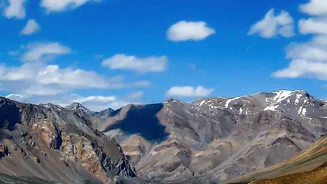
Respect the Altitude: Acclimatisation First
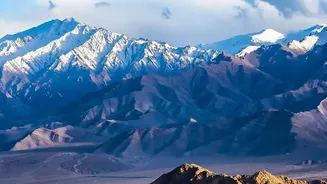
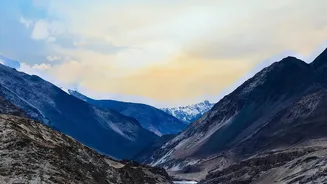
The most critical part of any Ladakh trip is acclimatisation. Leh sits at an elevation of roughly 3,500 metres (about 11,500 feet), where oxygen levels are significantly lower. Flying directly into Leh causes a sudden jump in altitude that can lead to Acute
Mountain Sickness (AMS), a condition whose symptoms include headaches, nausea, dizziness, and fatigue. Ignoring these signs can lead to severe health complications. The official advice is clear: rest for a minimum of 24 to 48 hours upon arrival in Leh before venturing to higher altitudes. This means no strenuous activity, no aggressive sightseeing, and avoiding alcohol. Let your body adjust, stay well-hydrated by drinking 3-4 litres of water daily, and eat light, high-carbohydrate meals.
Timing Is Everything: When to Visit
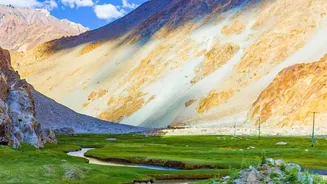
Ladakh offers different experiences depending on the season. The peak tourist season is from June to September. During these summer months, the weather is pleasant, with daytime temperatures ranging from 15°C to 25°C, and the crucial mountain passes connecting Leh to Manali and Srinagar are open. This window is ideal for road trips, trekking, and accessing most of the region's famous sights like Pangong Tso and Nubra Valley. Spring (April-May) sees fewer crowds as the snow begins to melt, but nights are still very cold. Autumn (September-October) offers stunning golden landscapes and clear skies, but guesthouses start closing as winter approaches. Winter (November-March) is for the truly adventurous, as roads close and the region is accessible only by air. It's the time for experiences like the Chadar Trek on the frozen Zanskar River.
The Journey In: Road vs. Air
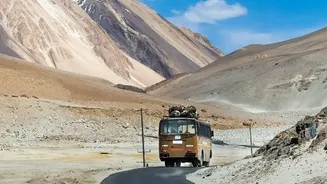
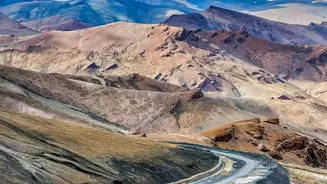
How you get to Leh significantly impacts your acclimatisation. Flying in is the fastest method but presents the highest risk of AMS due to the rapid ascent. If you fly, the initial 48-hour rest period is vital. Driving to Leh, while longer, allows for more gradual acclimatisation. The Srinagar-Leh highway is widely recommended for first-timers as its altitude gain is more gentle compared to the Manali-Leh route. The Srinagar road rarely goes above 4,100 metres, with an overnight halt in Kargil at a moderate altitude of about 2,676 metres. In contrast, the Manali-Leh highway involves crossing several passes above 4,800 metres, posing a much higher risk of AMS.
Permits and Paperwork
To visit many of Ladakh’s most popular destinations, including Nubra Valley, Pangong Tso, and Tso Moriri, you will need a permit. For Indian tourists, the traditional Inner Line Permit (ILP) has been simplified. Travellers now primarily need to pay an Environment and Development Fee online via the Leh administration's official portal. The receipt from this payment acts as your permit at various checkpoints. Foreign nationals require a Protected Area Permit (PAP), which can be obtained through a registered travel agent in Leh. It is wise to carry multiple photocopies of your permit and a valid government-issued photo ID.
Pack Smart: Layers and Essentials
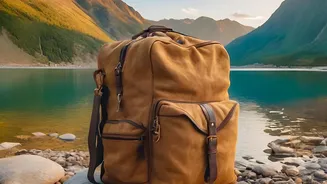
Ladakh's weather is famously unpredictable; you can experience intense sun and biting wind on the same day. The key is to dress in layers. Essentials include thermal innerwear, fleece jackets, a windproof and waterproof outer jacket, and comfortable trousers. Even in summer, warm clothing is necessary for evenings and high passes. Sun protection is crucial due to the high altitude and intense UV rays, so pack sunscreen (SPF 50+), a wide-brimmed hat, and UV-protection sunglasses. Other must-haves include a basic first-aid kit with medicines for headache, nausea, and any personal prescriptions, lip balm, moisturiser, and a power bank, as electricity can be unreliable in remote areas.