





A Tragedy of Cascading Failures
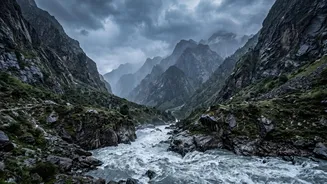
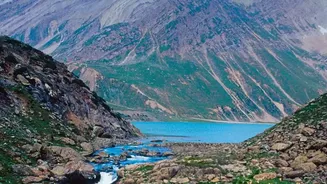
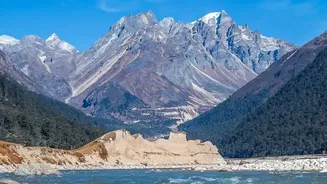
The disaster that struck Nepal near its border with Tibet was not a single, isolated event but a terrifying domino effect. It began high in the mountains with the collapse of a glacier, which triggered a massive landslide of rock and ice. This torrent
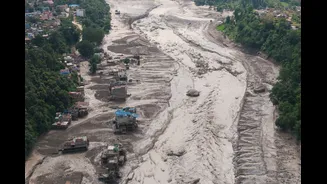
of debris careened into a river valley, creating a natural dam that quickly burst, unleashing a wall of water and mud downstream. The floodwaters tore through communities and vital infrastructure, including hydropower projects and key highways, with devastating force. Experts refer to this as a 'cascading hazard,' where one event sets off a chain reaction, amplifying the destruction far beyond the initial incident. Scientists have warned that climate change is making these interconnected disasters more frequent and intense by destabilizing glaciers and increasing the likelihood of extreme rainfall.
When Rigid Blueprints Shatter
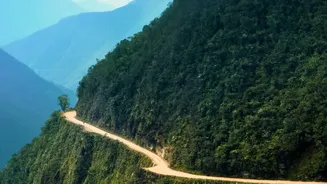
For decades, development in mountainous regions has often followed a rigid, top-down model: build a road, dam a river, construct a town. This approach treats the landscape as a static environment to be conquered and controlled. But the Himalayas are anything but static. They are young, geologically active, and now, rapidly changing due to a warming climate. The recent disaster tragically illustrates how this old way of thinking fails. Concrete infrastructure, planned without accounting for the dynamic geology, becomes a liability. Roads built indiscriminately can weaken slopes, while hydropower projects located in volatile river valleys are exposed to extreme risks. When a 'predict and plan' approach meets an unpredictable environment, the plans shatter, with catastrophic consequences for the people who rely on them.
The Strength of Being Flexible
The alternative is not to stop developing, but to plan differently. 'Flexible planning,' also known as adaptive planning, represents a fundamental shift in mindset. Instead of imposing a rigid blueprint, it fosters resilience by creating systems that can anticipate, absorb, and adapt to change. This approach recognizes that communities are not helpless victims but active agents in their own safety. It means moving away from solely government-led, engineering-heavy solutions toward a more integrated strategy. This includes combining modern science, like advanced GIS mapping and drone surveillance, with the invaluable local and Indigenous knowledge of communities who have lived in these mountains for generations. It’s about building with nature, not just against it.
Adaptation in Action
So what does this look like on the ground? It means empowering local neighbourhood committees to identify risks and lead preparedness efforts, ensuring no one is left behind. It involves implementing community-managed early warning systems that translate complex data into clear, actionable alerts. It's the use of nature-based solutions, such as restoring forests on steep slopes or using specific deep-rooted plants to prevent soil erosion and landslides—techniques that are often more cost-effective and better suited to the terrain than concrete walls. It also means diversifying local economies so that a community’s entire livelihood doesn't depend on a single road or power plant that could be wiped out in minutes. These strategies create a culture of safety and resilience from the ground up, providing a buffer against shocks that rigid plans cannot.