
The Best Meteor Shower of the Year
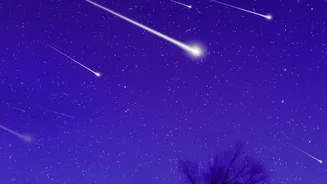
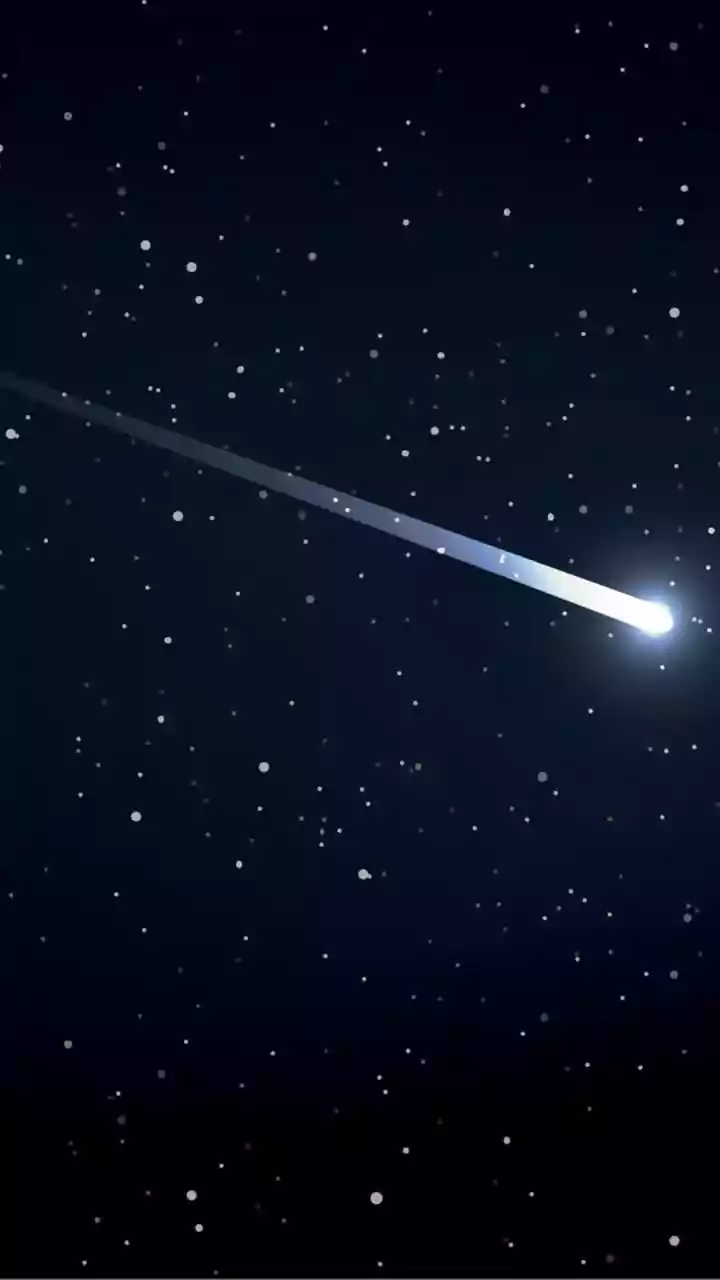
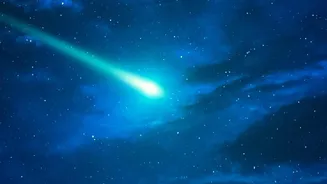
The star of August's celestial calendar is undoubtedly the Perseid meteor shower. This annual event is beloved for its reliability and the sheer number of bright meteors it produces, often leaving long, glowing trails across the sky. In 2026, conditions
are perfect. The shower's peak on the night of August 12-13 coincides with a New Moon, meaning the sky will be exceptionally dark, allowing even faint meteors to be visible. The Perseids are particles of debris from the comet Swift-Tuttle, and as Earth passes through this stream, these particles burn up in our atmosphere, creating the phenomenon we call 'shooting stars'. For observers in India, the best time to watch will be from midnight until just before dawn on the morning of August 13. Find a spot away from city lights, let your eyes adjust to the darkness for about 30 minutes, and look towards the northeast. Under ideal conditions, you could spot up to 100 meteors per hour.
Venus: The Brilliant Evening Star
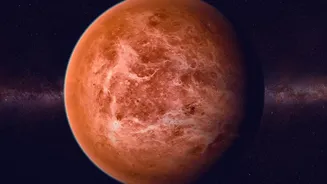
Throughout August, the planet Venus will be a commanding presence in the western sky just after sunset. Known for its exceptional brightness, Venus will easily cut through the evening twilight. Around the middle of the month, on August 15, Venus reaches its greatest elongation, which is its farthest point from the Sun as seen from Earth. This makes it particularly easy to spot. On this night, you'll also be treated to the sight of a slender crescent Moon near the radiant planet, creating a beautiful pairing in the sky. As the month progresses, keep an eye on Venus as it appears to draw closer to the bright star Spica, the brightest star in the constellation Virgo. You don't need any special equipment to see Venus; its brilliance makes it unmistakable to the naked eye. Just find a clear view of the western horizon after the sun goes down.
A Partial Lunar Eclipse (For Some)
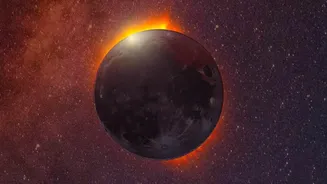
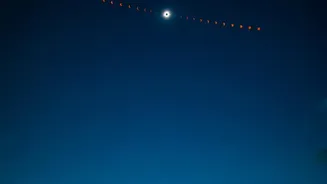
The headline-grabbing eclipse of the month is a deep partial lunar eclipse on August 28. During this event, a significant portion of the Moon—about 96%—will pass through the Earth's darkest shadow, the umbra. This can cause the eclipsed part of the Moon to take on a reddish, copper hue. However, there is a catch for observers in India. The eclipse will not be visible from the subcontinent. The event reaches its peak at a time that corresponds to daytime in India, when the Moon is below the horizon. While you won't be able to see it directly, many international space agencies and astronomy groups will likely offer live streams of the event, allowing you to witness it virtually. This eclipse will be best viewed from the Americas, Europe, and Africa.
A Parade of Planets
On August 12, a rare alignment known as a 'planet parade' will be visible in the pre-dawn sky. Six planets—Mercury, Jupiter, Mars, Saturn, Uranus, and Neptune—will appear to line up across the sky. For Indian observers, the most easily visible of these will be Mars, Saturn, Jupiter, and Mercury, which can be spotted with the naked eye if you have clear skies and an unobstructed view of the eastern horizon about an hour before sunrise. Saturn will be a yellowish point of light rising in the east during the evening, while reddish Mars and bright Jupiter will appear in the pre-dawn hours. This 'parade' isn't a true physical alignment in space but rather a beautiful visual effect created by the planets' positions as seen from our vantage point on Earth.