



From Burnout to Being Present
For years, the great Indian vacation was a whirlwind affair. Driven by limited leave days and a desire to see it all, trips were often packed with back-to-back flights, frantic sightseeing, and a race to tick off every landmark. You’d return home more
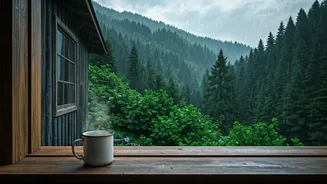
exhausted than when you left, with a camera full of photos but few lasting memories. But a significant shift is underway. An increasing number of Indian travellers are consciously rejecting this high-stress model. They are embracing 'slow travel' — a mindset that prioritises staying in one place for longer, immersing oneself in the local culture, and choosing meaningful experiences over a crowded itinerary. It’s less about where you go and more about how you experience it.
What Defines a Slow Holiday?
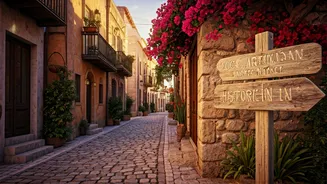
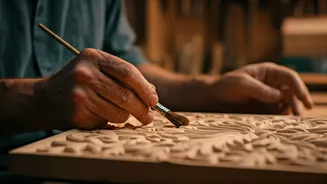
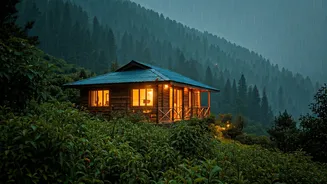
Slow travel isn't just about taking a longer vacation, though that can be part of it. At its core, it's an intentional approach. Instead of rushing through a highlights reel, a slow traveller might spend two weeks in a single village in Himachal Pradesh, learning to cook local dishes from their homestay host. They might rent a small house in Goa for a month, establishing a routine of morning walks on the beach and afternoons spent at a local café. It’s about unpacking your bags, both literally and metaphorically. Key elements include staying in locally-owned accommodations like homestays or guesthouses, shopping at local markets, learning a new skill like pottery or a regional craft, and simply leaving days unscheduled to allow for spontaneous discoveries.
The Post-Pandemic Re-evaluation
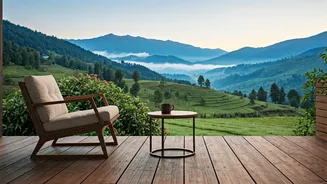
The rise of slow travel in India isn't happening in a vacuum. The COVID-19 pandemic was a major catalyst. Widespread burnout and the sudden shift to remote work forced a collective re-evaluation of priorities. The concept of the 'workation'—combining work with a holiday—made longer stays in scenic locations feasible for the first time for many. Professionals realised they could trade their city apartment for a cottage in the hills or a villa by the sea without missing a beat at work. This prolonged exposure to a different, slower pace of life revealed the shortcomings of the old 'rush-and-see' model. People discovered the joy of becoming a temporary local rather than a fleeting tourist.
An Antidote to 'Instagram Tourism'
Slow travel also serves as a powerful antidote to the pressures of social media. The 'Instagram effect' has often turned travel into a performative act, where the primary goal is to capture the perfect, envy-inducing shot at a famous location. This creates a checklist mentality, reducing vibrant destinations to mere backdrops. Slow travel pushes back against this. It encourages travellers to put their phones down and engage with their surroundings. The most valuable souvenir isn't a viral reel, but the memory of a conversation with a local artisan, the taste of a home-cooked meal, or the feeling of watching the sunset from the same spot every evening. It’s a return to travel for personal enrichment, not for public validation.
Supporting Local Economies Sustainably
This trend also has a positive economic and environmental footprint. Mass tourism often funnels money into large hotel chains and tour operators, with little trickling down to the local community. Slow travel, by its nature, does the opposite. By choosing homestays, eating at small family-run restaurants, and hiring local guides, travellers directly support the people who make a destination unique. This model is inherently more sustainable. It reduces the carbon footprint associated with constant transit and fosters a deeper respect for the local environment and culture, moving tourism from an extractive industry to a more reciprocal exchange.