





The Concrete Jungle's Fever
Indian cities are getting hotter, and it’s not just due to climate change. Our urban areas are becoming 'heat islands', where temperatures are significantly higher than in surrounding rural areas. This happens because materials like asphalt and concrete,
which make up our roads, buildings, and parking lots, absorb and store a massive amount of solar radiation during the day. This stored heat is then slowly released at night, preventing cities from cooling down and leading to higher average temperatures, increased energy consumption for air conditioning, and serious health risks like heatstroke, especially for vulnerable populations. The dense layout of our cities often traps this heat, creating a vicious cycle of warming.
Painting the Town Cool
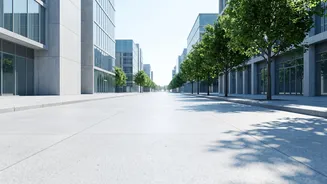
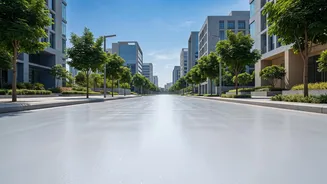
Imagine fighting this intense heat with a solution that's literally painted onto our streets. This is the core idea behind 'cool pavements'. These are surfaces designed to stay cooler than conventional black asphalt by reflecting more sunlight. The principle is simple and one you already know: light-coloured objects stay cooler in the sun than dark ones. By increasing a pavement's ability to reflect sunlight—a property known as albedo—these surfaces absorb less heat. This can dramatically lower the temperature of the road surface itself, sometimes by as much as 10-15°C, and in turn, help lower the surrounding air temperature. It’s a passive cooling strategy that, unlike air conditioning, doesn't consume energy or release greenhouse gases.
The Science of a Smarter Surface
So, what are these 'bio-engineered cool coatings'? The term points to a new generation of advanced materials designed for sustainability and performance. Instead of just a simple coat of light-coloured paint, these are sophisticated coatings that often use polymer-modified binders, special reflective pigments, and sometimes even materials derived from renewable, biological sources like plant-based oils and resins. Some formulations are engineered to reflect not just visible light but also infrared radiation, which is a major component of solar heat. The 'bio-engineered' aspect also refers to creating materials that are more durable, non-toxic, and have a lower carbon footprint than traditional petroleum-based sealants. The goal is to create a robust, long-lasting surface that actively fights heat build-up.
Real-World Impact and Indian Pilots
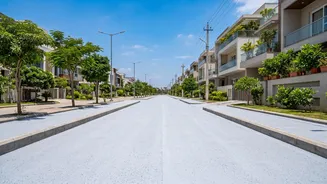
This technology is moving from theory to practice. Cities like Los Angeles and Phoenix in the US have already deployed cool pavement coatings on hundreds of city blocks. The results show significantly lower surface temperatures and a noticeable reduction in how much heat is radiated back into the neighbourhood at night. In India, where the need is critical, pilot projects are demonstrating promising results. Hyderabad experimented with a high-reflectance concrete road that lowered surface temperatures by up to 14°C. Ahmedabad conducted a three-year trial across several locations that reduced peak ambient air temperatures by 2-5°C using various cool pavement techniques. While cool roofs have been a primary focus, the vast surface area covered by roads makes cool pavements a vital next frontier for Indian cities looking to adapt to extreme heat.
Challenges on the Road Ahead
While promising, cool pavements are not a simple silver bullet. The initial cost can be higher than for traditional asphalt, although this may be offset by long-term benefits like reduced maintenance and lower energy costs for surrounding buildings. Durability is another key concern, especially in India with its heavy traffic and intense monsoon seasons. The reflective coatings can get dirty, reducing their effectiveness and requiring regular cleaning. There is also the potential for increased glare, and some studies suggest that in narrow 'urban canyons' between tall buildings, the reflected heat could warm pedestrians and building facades, meaning implementation requires careful urban planning. Despite these challenges, the potential benefits in public health, energy savings, and overall livability are driving continued innovation and investment in these technologies.