







The Unseen Workforce in the Soil
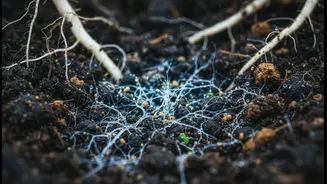
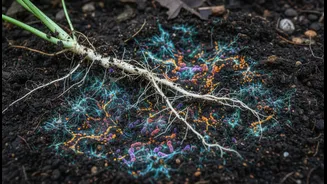
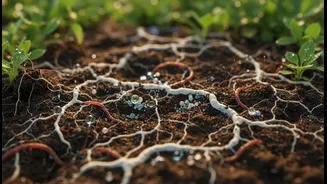
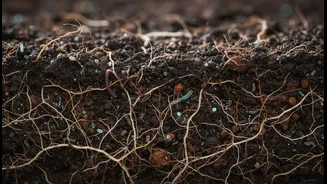
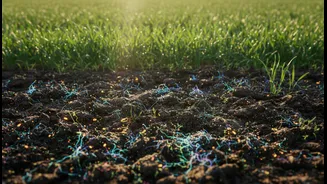
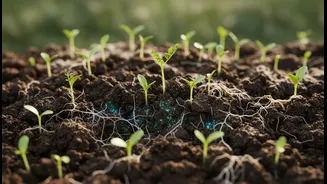
When we think of farming, we often picture tractors, seeds, and fertilisers. But the real engine of a healthy farm is microscopic. Soil is not just dirt; it’s a living ecosystem populated by bacteria, fungi, and other microorganisms. For centuries, their
role was poorly understood, but modern science is revealing their critical importance. These microbes are essential for breaking down organic matter, recycling nutrients, and creating a fertile environment where plants can thrive. They act as a natural, self-sustaining workforce that maintains the foundation of all agriculture: healthy soil. Without this bustling microbial community, soil becomes less productive, leading to a greater reliance on external inputs.
A Natural Alternative to Chemicals
For decades, intensive agriculture has depended heavily on chemical fertilisers and pesticides. While these boosted yields initially, their overuse has led to soil degradation, environmental pollution, and rising costs for farmers. Microbial solutions offer a powerful, eco-friendly alternative. Products known as biofertilisers and biostimulants use specific strains of beneficial microbes to enhance plant growth. For example, some bacteria can capture nitrogen directly from the atmosphere and deliver it to plant roots, reducing the need for synthetic nitrogen fertilisers. Others can unlock phosphorus that is trapped in the soil, making this vital nutrient available to crops. This approach doesn't just feed the plant; it revitalises the entire soil ecosystem.
The Tangible Benefits for Farmers
For Indian farmers, the shift towards microbial products translates into concrete advantages. A primary benefit is improved crop health and resilience. Plants grown in microbially rich soil develop stronger root systems and are better equipped to handle stresses like drought and disease. This natural immunity can reduce the need for costly chemical pesticides. Furthermore, by improving nutrient availability in the soil, microbes can lead to higher yields and better-quality produce. Over time, this focus on soil biology can lower input costs, as the farm becomes more self-sufficient in providing its own fertility. Several Indian companies and research institutes like ICAR are now developing and distributing these microbial formulations, making them increasingly accessible.
Challenges on the Path to Adoption
Despite the clear potential, the widespread adoption of microbial solutions faces some hurdles. One of the main challenges is consistency. The effectiveness of a microbial product can vary depending on soil type, climate, and farming practices. This can make some farmers hesitant to switch from the predictable, if damaging, results of chemical inputs. Farmer awareness and education are also crucial. Many are not yet familiar with how to best use these living products to achieve optimal results. Furthermore, ensuring the quality and viability of microbial products from the lab to the field is a significant logistical challenge that requires robust manufacturing and storage conditions. Building trust and demonstrating consistent performance are key to overcoming these obstacles.