







The Psychology of Invisible Spending
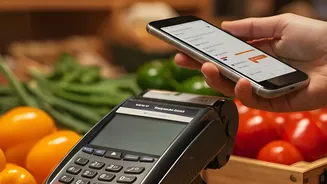
Before diving into habits, it’s crucial to understand why UPI makes spending so easy. Unlike cash, which involves a physical act of handing over money, digital payments are frictionless. This creates a psychological detachment, reducing the 'pain of paying'.
Small transactions for chai, cabs, or food delivery feel insignificant on their own, but they quickly add up, silently draining your account. Because the money is invisible, you often don't realise how much you've spent until you check your bank statement at the end of the month. Recognizing this psychological trap is the first step toward taking control.
Adopt the 'Pay Yourself First' Method
One of the most effective budgeting principles is to save before you spend, not after. At the beginning of each month, as soon as your salary is credited, decide on a savings amount and transfer it to a separate account that is not linked to your primary UPI app. This simple action removes the temptation to spend your savings. By treating your savings as a non-negotiable first bill, you prioritise your financial future. You can even automate this transfer so it happens without you thinking about it. What's left is what you can safely spend for the month, putting you in a position of control.
Use a Dedicated Spending Account
A powerful way to cap your expenses is to use a two-account system. Keep your main salary account separate and untouched by daily UPI transactions. Open a secondary, zero-balance account and link it to your most-used UPI apps like GPay, PhonePe, or Paytm. At the start of the month, transfer your allocated budget for discretionary spending (like food, entertainment, and shopping) into this second account. Once the money in this account runs out, your spending for the month stops. This creates a hard limit and prevents you from accidentally dipping into funds meant for rent, bills, or savings.
Conduct a Weekly UPI Audit
Awareness is the foundation of good budgeting. Make it a habit to sit down for 15 minutes every weekend and review your UPI transaction history. Most UPI apps categorize your spending, giving you a clear picture of where your money is going. As you scroll through the list, ask yourself which purchases were necessary and which were impulsive. This weekly check-in helps you identify spending leaks—like too many food delivery orders or frequent small, unnecessary purchases. You don't need to cut everything, but simply being aware of your patterns is often enough to inspire a change in behaviour.
Leverage In-App Budgeting Tools
Many people don't realise that the same UPI apps that enable spending also have features to control it. Apps like BHIM and others offer spend analytics that provide snapshots of your monthly expenses across different categories. Some even allow you to set self-defined spending limits and will alert you when you're approaching them. There are also third-party expense tracker apps that can read your transaction messages or screenshots to automatically categorise your UPI spends. Explore your app's settings to find and activate these features, turning it from just a payment tool into a budgeting ally.
Implement the 50/30/20 Rule
For a structured approach, apply the popular 50/30/20 rule to your UPI spending. Allocate 50% of your take-home income to 'Needs' (rent, groceries, bills, EMIs). Use 30% for 'Wants' (dining out, shopping, subscriptions, travel). The final 20% should go directly into 'Savings & Investments'. Use your UPI-linked spending account for the 30% 'Wants' category. This framework provides clear boundaries. While the exact percentages can be adjusted based on your income and city, the principle of dividing your money into these three buckets helps ensure you are not sacrificing your future for present-day conveniences.