




The Backlash Against 'Catalog-Perfect' Homes
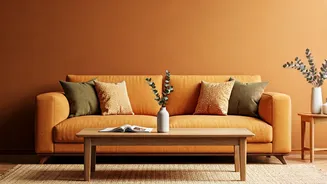
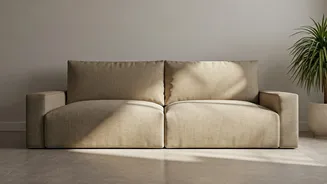
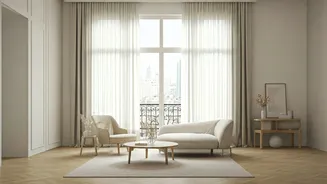
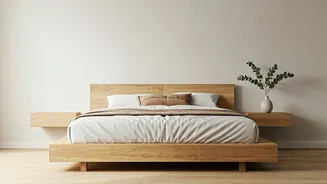
The minimalist movement, with its emphasis on decluttering and simplicity, dominated interior design for over a decade. It promised a serene, orderly life through a palette of whites, greys, and beiges. [6, 22] However, for many, this aesthetic began
to feel less like a peaceful sanctuary and more like a sterile, impersonal museum. [6] Designers note a growing fatigue with "catalog-perfect" interiors that feel uniform and lack a personal touch. [12, 18] Homeowners are now craving spaces that reflect their personalities and tell a story, moving away from rooms that look like they could belong to anyone. [6, 12] This collective desire for authenticity is paving the way for a richer, more layered approach to decorating.
A Story in Every Piece
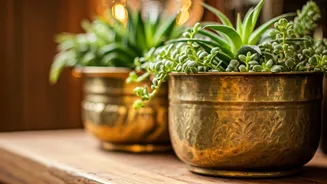
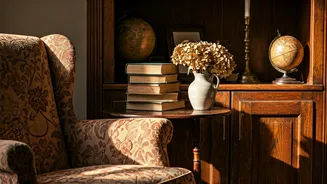
Unlike mass-produced items that offer convenience but little soul, vintage pieces come with a built-in narrative. [1] Each scratch, patina, or hand-carved detail tells a story of craftsmanship and a life lived long before it entered your home. [1, 16] This sense of history and artistry is something that modern production lines struggle to replicate. [16] Designers suggest that this yearning for items with emotion and a backstory is a key driver of the trend. [14] Whether it's a mid-century armchair, a gilded Victorian mirror, or a hand-woven rug, these pieces bring a unique, irreplaceable character to a room, making it feel curated and deeply personal. [2, 16] In a world saturated with the new, there's a renewed appreciation for the timeless appeal and quality of things built to last. [17]
How to Mix Old and New
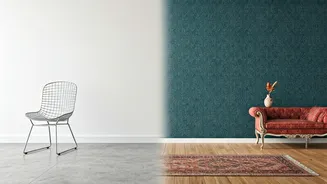
The beauty of this trend is that it doesn't demand an all-or-nothing approach. The most compelling spaces often blend vintage finds with modern furnishings. [1, 3] Designers suggest starting small with accent pieces like an antique lamp, a unique mirror, or a stack of old books to add visual interest without overwhelming the room. [4, 13] Another popular strategy is to choose one statement vintage item, like a rustic dining table or an ornate armoire, and build the rest of the room around it with more contemporary pieces. [2, 3] A neutral backdrop, such as clean, simple walls, can help both modern and vintage items stand out and 'breathe'. [3] Don't be afraid to reupholster an old chair with a modern fabric or paint a vintage dresser a bold new colour; it's a perfect way to honour the past while personalising it for the present. [3, 4, 13]
More Sustainable, More Soulful
Beyond aesthetics, the move towards vintage is deeply connected to a growing consciousness around sustainability. [1, 16] In an era of 'fast furniture' and its environmental toll, choosing second-hand is an inherently eco-friendly decision that reduces waste and the demand for new resources. [1, 5, 8] This approach allows homeowners to design responsibly, creating spaces that are not only unique but also kinder to the planet. [1] This blend of ecological responsibility and personal expression is particularly resonant today. Ultimately, the return to vintage is more than a fleeting trend; it's a movement towards creating homes that feel more soulful, more lived-in, and more authentically our own. [1, 18] It’s about building a collection over time, piece by piece, to create a home that truly reflects your story. [18]