





The Monsoon's Invisible Enemy: Humidity
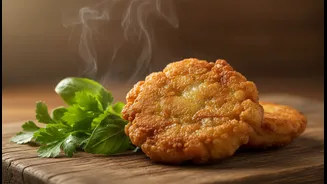
The magic of a crispy fritter lies in a rapid dehydration process. When batter hits hot oil, the water within it turns to steam and evaporates, leaving behind a rigid, crunchy structure. However, during the monsoon, the air is already saturated with moisture.
This high humidity makes it much harder for the water in your batter to escape. Instead of quickly turning into a crispy crust, the surface steams and boils, absorbing more oil and resulting in a greasy, limp pakora. The very air that makes you crave fritters is working against their crunch.
The Problem with 'Damp Herb Infusions'
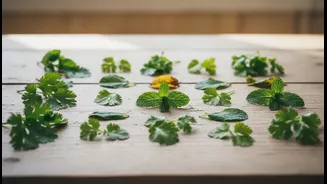
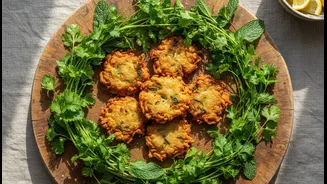
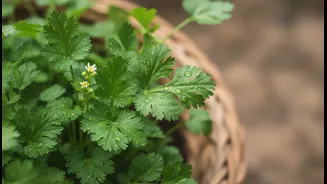
Fresh herbs like coriander, mint, and curry leaves are essential for flavour, but they are also full of water. When you chop or crush these herbs, you release that moisture directly into your batter. This is what the headline refers to as a "damp herb infusion." Adding these wet ingredients significantly increases the batter's overall water content. This excess moisture, combined with the already humid air, lowers the temperature of the frying oil on contact, which is a recipe for a soggy, under-cooked coating. The batter struggles to dehydrate, leading to that disappointing lack of crunch.
Mastering Your Batter Consistency
The ideal batter should be thick enough to coat your ingredients without being runny. A common mistake is adding too much water, especially when using vegetables like onions that release their own moisture. To combat excess water and boost crispiness, many chefs recommend adding a tablespoon or two of rice flour or cornstarch to your besan (gram flour). These starches have a lower gluten content and create a lighter, crispier texture that holds up better against humidity. Using ice-cold water for the batter can also help, as it prevents the flour from absorbing too much oil.
Smart Herb and Vegetable Prep
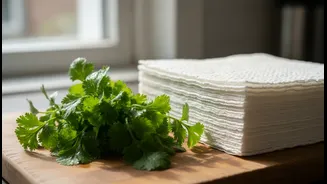
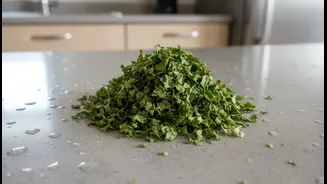
You don't have to sacrifice the flavour of fresh herbs. The trick is to manage their moisture. Before chopping, make sure to pat your coriander, mint, or spinach leaves thoroughly dry. Chop them just before mixing them into the batter to minimize water release. For vegetables with high water content, like onions or cabbage, a great technique is to slice them, sprinkle them with salt, and let them rest for about 10 minutes. This draws out their natural moisture, which you can then use to help bind the batter, reducing the need for extra water.
Frying Techniques for the Perfect Crunch
Technique is just as important as the ingredients. First, ensure your oil is at the right temperature, typically around 175-190°C. If the oil is too cool, the fritters will absorb it and become greasy; if it's too hot, they'll burn on the outside before cooking through. Crucially, do not overcrowd the pan. Frying in small batches maintains the oil's temperature, allowing each pakora to cook evenly and become crispy. Once fried, don't place them on paper towels, which can trap steam and make them soggy. Instead, drain your golden-brown fritters on a wire rack to allow air to circulate, preserving that legendary crunch.